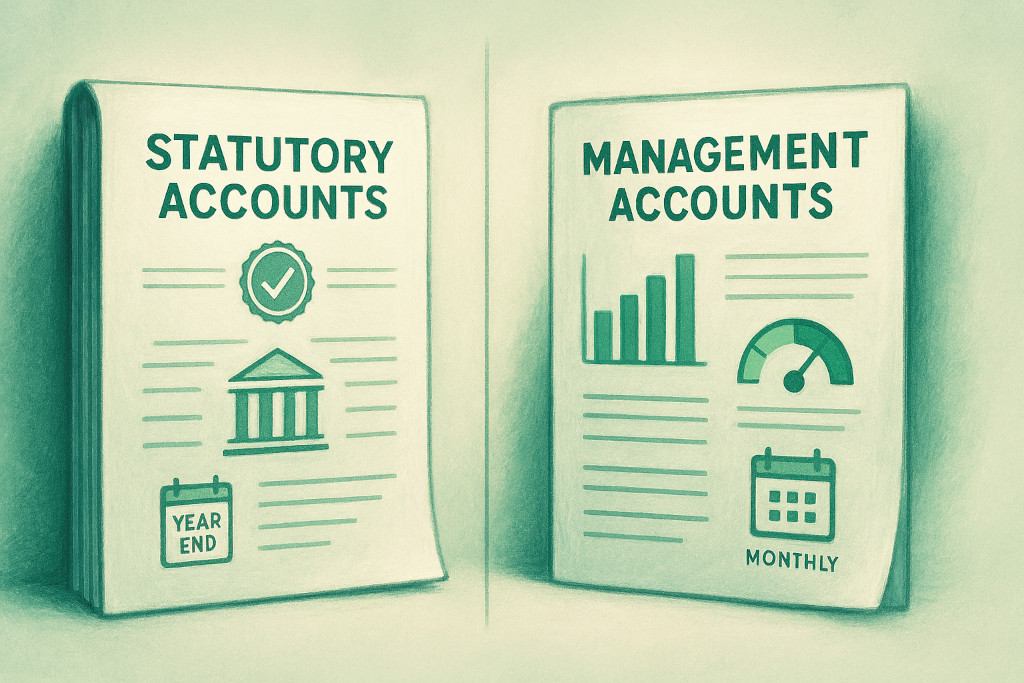
Have you ever wondered why some financial reports captivate their audience while others fall flat? It’s not just about the numbers; it’s about the story those numbers tell. Today, we’re diving into the art of storytelling in management reporting, aimed at professionals who want to make their reports more engaging and insightful.
Why Storytelling Matters in Management Reporting

Imagine you’re presenting a quarterly report to your stakeholders. You could simply list the numbers: revenue, expenses, profit margins. Or, you could weave a narrative around those numbers, explaining the challenges faced, the strategies implemented, and the results achieved. Storytelling transforms dry data into a compelling narrative that resonates with your audience.
A well-crafted story can highlight trends, underscore key performance indicators, and provide context that mere numbers can’t. It engages stakeholders, making them more likely to understand, remember, and act on the information presented.
Elements of a Compelling Management Report

Creating an effective management report involves more than just compiling data. Here are some key elements to consider:
1. Clear Objectives
Begin with a clear objective. What do you want to achieve with this report? Are you aiming to inform, persuade, or inspire action? Defining your goal will guide the structure and content of your report.
2. Engaging Introduction
Start with an engaging introduction that sets the stage for your report. This could be a surprising statistic, a relevant quote, or a brief anecdote that illustrates the importance of the report’s content.
3. Structured Narrative
Organize your report in a logical, easy-to-follow structure. Use headings and subheadings to break down complex information. A common structure includes an executive summary, detailed analysis, and conclusion with actionable insights.
4. Visual Aids
Incorporate visual aids such as charts, graphs, and infographics to make your data more digestible. Visuals can highlight trends, compare data points, and make your report more engaging.
5. Actionable Insights
Conclude your report with actionable insights. What steps should be taken based on the data presented? Providing clear, actionable recommendations will make your report more valuable to your audience.
Practical Tips for Effective Storytelling

Here are some practical tips to enhance your storytelling in management reporting:
1. Know Your Audience
Tailor your story to your audience’s interests, knowledge level, and needs. What do they care about? What challenges are they facing? Addressing these questions will make your report more relevant and engaging.
2. Use Simple Language
Avoid jargon and complex terminology. Use simple, clear language that your audience can easily understand. This will make your report more accessible and engaging.
3. Highlight Key Achievements
Celebrate successes and highlight key achievements. This not only boosts morale but also provides a positive context for the data presented. It shows that despite challenges, significant progress has been made.
4. Be Honest and Transparent
Transparency builds trust. Be honest about challenges and setbacks as well as successes. Providing a balanced view will make your report more credible and trustworthy.
A Lighthearted Joke to Keep Spirits High

Why did the financial report go to therapy? Because it had too many issues with its balance sheet! ðð
Conclusion

Incorporating storytelling into your management reporting can transform mundane data into a captivating narrative. By following these tips and elements, you can create reports that not only inform but also engage and inspire your audience. So, next time you’re compiling your quarterly report, think of it as an opportunity to tell a story-a story that brings your data to life.