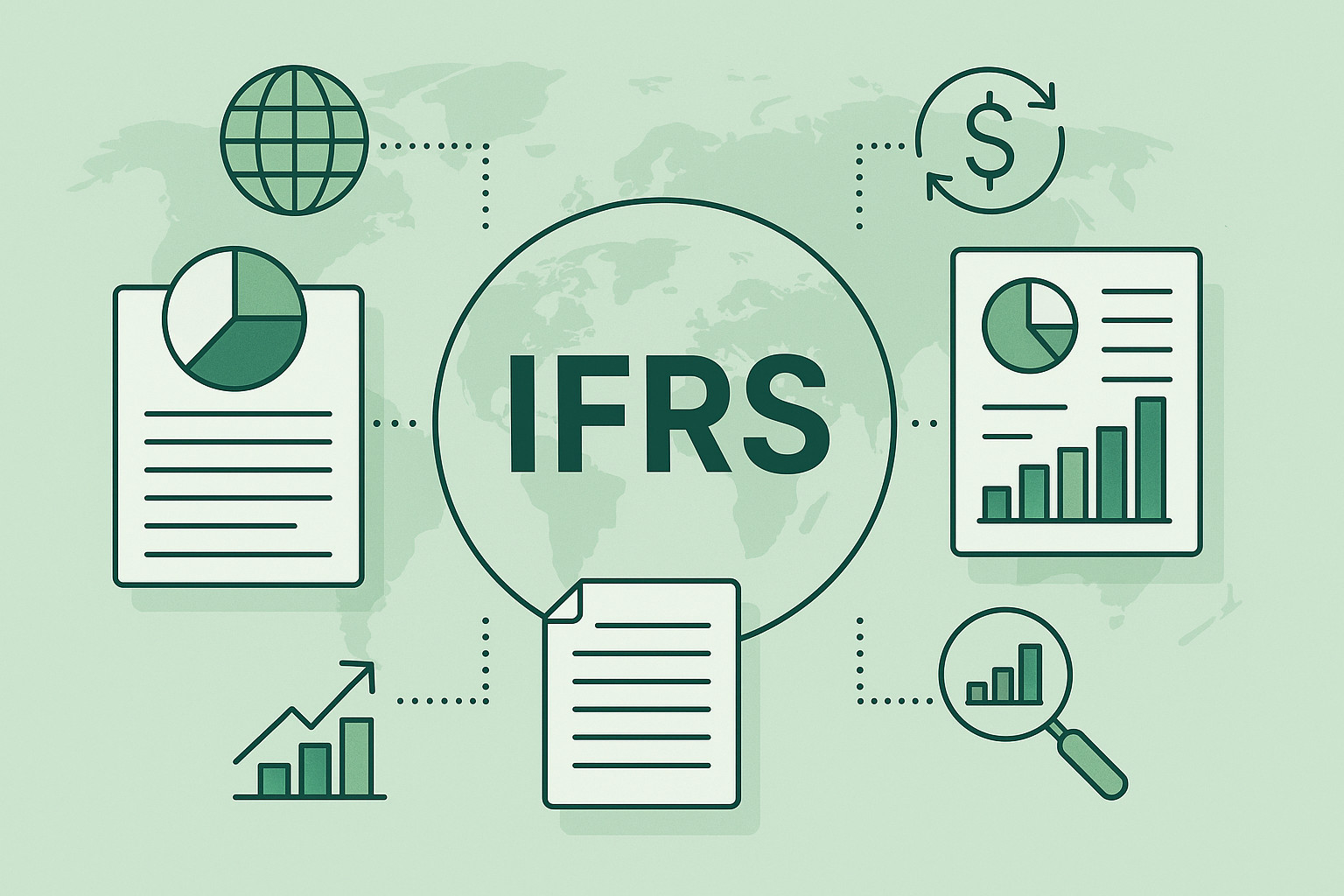
Imagine you’re a detective, but instead of solving crimes, you’re uncovering the mysteries behind financial discrepancies. Welcome to the world of variance analysis, where every number tells a story, and every story has a twist. Whether you’re a seasoned financial professional or just starting, understanding variance analysis can be both enlightening and, dare we say, entertaining.
Why Variance Analysis Matters

Variance analysis is like the magnifying glass in our financial detective kit. It helps us compare actual financial performance against budgeted or expected performance. By identifying the differences, or variances, we can pinpoint areas of improvement, allocate resources more effectively, and make informed decisions. It’s the unsung hero of financial reporting, consolidation, and performance insights.
The Joke: The Accountant’s Dilemma

Why did the accountant bring a ladder to the bar?
Because he heard the drinks were on the house!
Breaking Down Variance Analysis

Let’s dive into the nitty-gritty of variance analysis. There are two main types of variances: favorable and unfavorable. A favorable variance occurs when actual results are better than expected, while an unfavorable variance happens when actual results fall short. Think of it as the financial equivalent of getting an A+ on a test versus barely scraping by with a D.
Practical Tip: Start with the Basics
Begin by categorizing variances into volume, price, efficiency, and spending variances. This breakdown will help you identify specific areas where performance deviates from expectations. For instance, if your company expected to sell 1,000 units but only sold 800, that’s a volume variance. If the cost per unit was higher than anticipated, that’s a price variance.
Real-World Example: The Case of the Missing Margins

Consider a manufacturing company that budgeted for a 20% profit margin but ended the quarter with only a 15% margin. By conducting a variance analysis, the company discovered that raw material costs had spiked unexpectedly, leading to an unfavorable price variance. Additionally, production inefficiencies resulted in an unfavorable efficiency variance. Armed with this knowledge, the company could take corrective actions, such as negotiating better terms with suppliers or optimizing production processes.
Common Pitfalls to Avoid
While variance analysis is a powerful tool, it’s not without its pitfalls. One common mistake is attributing all variances to external factors without examining internal processes. For example, blaming a sales dip solely on market conditions without considering sales team performance or marketing strategies can lead to missed opportunities for improvement.
Practical Tip: Dig Deeper
When you encounter a variance, don’t stop at the surface level. Investigate the root causes by asking questions like: “Why did this happen?” and “What can we do to prevent it in the future?” This approach will help you uncover actionable insights and drive continuous improvement.
The Humorous Side of Variance Analysis

Let’s face it-variance analysis can sometimes feel like a rollercoaster ride. One moment you’re celebrating a favorable variance, and the next, you’re scratching your head over an unfavorable one. But remember, every variance is an opportunity to learn and grow. So, the next time you encounter a perplexing variance, take a deep breath, grab your detective hat, and start investigating. Who knows? You might just uncover the next big financial breakthrough-or at least a good laugh.
Conclusion

Variance analysis may seem daunting at first, but with a bit of humor and a lot of curiosity, it can become an invaluable tool in your financial toolkit. By understanding and addressing variances, you can drive performance, make informed decisions, and, yes, even have a little fun along the way. So, go ahead-embrace the variance analysis chronicles and unravel those financial mysteries with a smile.