Author: brizoAccounts

  • Why Every SME Owner Needs Basic Accounting Knowledge

    Why Every SME Owner Needs Basic Accounting Knowledge

    Running a small or medium-sized enterprise (SME) is an exciting journey, filled with opportunities, challenges, and decisions that can make or break the business. While most SME owners are experts in their industry or product, one area often overlooked is basic accounting knowledge.

    Understanding accounting is not just for finance professionals; it is a critical skill for any business owner. It provides the foundation for sound decision-making, growth planning, and financial sustainability.


    The Importance of Accounting for SMEs

    Accounting is the process of recording, summarizing, and analyzing financial transactions. For SMEs, basic accounting knowledge helps owners:

    • Track income and expenses
    • Understand profitability
    • Manage cash flow effectively
    • Meet tax and legal obligations
    • Make informed strategic decisions

    Without these skills, business owners risk poor financial planning, late payments, unexpected losses, or compliance issues.


    Key Reasons SME Owners Should Learn Accounting

    1. Monitor Cash Flow

    Cash flow is the lifeblood of any SME. Even profitable businesses can fail if they run out of cash. Knowing how to read cash flow statements, track receivables, and forecast expenses helps owners avoid liquidity problems.

    Example: Identifying slow-paying customers early can prevent cash shortages.


    2. Understand Profitability

    Accounting knowledge allows SME owners to separate revenue from profit. By analyzing profit and loss statements, owners can determine which products, services, or clients are most profitable, enabling better business decisions.

    Example: Cutting underperforming product lines or optimizing pricing strategies.


    3. Make Informed Decisions

    Every business decision—hiring, investing, expanding—has a financial impact. Understanding basic accounting ensures decisions are backed by data rather than guesswork.

    Example: Evaluating whether to take a loan to expand operations by reviewing projected interest, repayment schedules, and cash flow impact.


    4. Maintain Compliance

    SMEs must comply with tax laws, financial reporting standards, and other regulatory requirements. Basic accounting skills help owners prepare accurate records, file taxes correctly, and avoid penalties.

    Example: Properly documenting expenses ensures deductible items are claimed without risking audits.


    5. Communicate with Stakeholders

    Investors, banks, and business partners rely on financial information to make decisions. SME owners with accounting knowledge can interpret reports confidently and communicate financial performance clearly.

    Example: Presenting financial statements to secure a bank loan or attract investors.


    6. Reduce Dependence on Outsourcing

    While hiring an accountant is important, owners with basic accounting knowledge can:

    • Review financial statements effectively
    • Detect errors or fraud
    • Ensure their accountants are working efficiently

    This reduces reliance on external professionals and improves financial control.


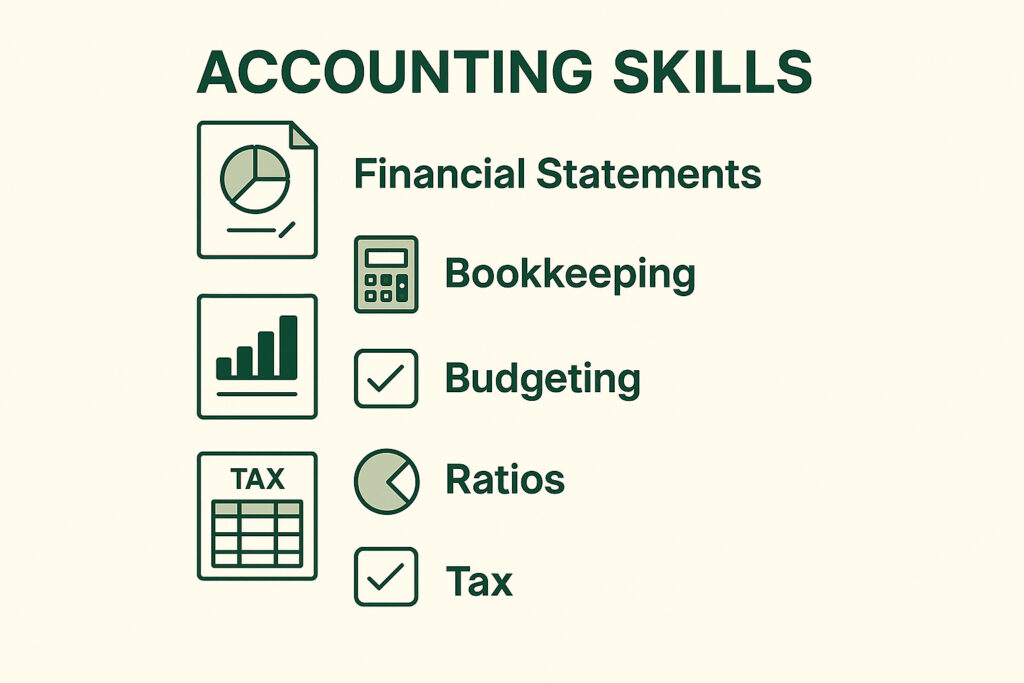
    Basic Accounting Skills Every SME Owner Should Learn

    1. Reading Financial Statements – Balance sheet, income statement, cash flow statement
    2. Bookkeeping Fundamentals – Recording sales, purchases, payments, and receipts
    3. Budgeting & Forecasting – Planning future revenue, costs, and cash flow
    4. Understanding Key Ratios – Profit margin, current ratio, debt-to-equity ratio
    5. Tax Basics – Knowing taxable income, deductions, and deadlines

    Tools to Help SME Owners

    Several tools can simplify accounting for SME owners:

    • Cloud Accounting Software – QuickBooks, Xero, or BrizoSystem
    • Expense Tracking Apps – Zoho Expense, Expensify
    • Spreadsheet Templates – For manual tracking of income, expenses, and cash flow

    Even basic knowledge combined with simple tools can significantly improve financial management.


    Conclusion

    Accounting may seem daunting for many SME owners, but basic knowledge is essential. It empowers owners to:

    • Make informed decisions
    • Monitor financial health
    • Ensure compliance
    • Communicate effectively with stakeholders

    Ultimately, a small investment in learning accounting can lead to better business performance, growth, and sustainability. SME owners who embrace financial literacy gain a competitive advantage that goes far beyond numbers—they gain control over their business destiny.

  • Understanding Funding in Accounting: Shares, Debts, and Financing Options

    Understanding Funding in Accounting: Shares, Debts, and Financing Options

    Introduction

    Raising funds is a critical activity for any business, whether it’s a startup seeking capital, a growing company financing expansion, or an established firm managing cash flow. Understanding the various funding sources and their accounting implications is essential for accountants, finance managers, and investors.

    This article explores the key methods of funding, including equity, debt, hybrid instruments, and alternative financing, and explains how each is recorded in the financial statements.


    1. Ordinary Shares (Common Stock)

    What Are Ordinary Shares?

    Ordinary shares represent ownership in a company. Shareholders have voting rights and are entitled to dividends if declared.

    Accounting Treatment

    When shares are issued:

    Example: Issue 1,000 shares at $10 each.

    • Entry: Dr Cash 10,000 Cr Share Capital 10,000

    Dividends declared:

    Dr Retained Earnings  X
         Cr Dividends Payable  X
    

    2. Preference Shares

    What Are Preference Shares?

    Preference shares give holders preferential treatment in dividends and capital repayment but usually do not have voting rights.

    Accounting Treatment

    Issuing preference shares:

    Dr Cash             X
         Cr Preference Share Capital  X
    

    Dividends (cumulative or non-cumulative):

    Dr Retained Earnings  X
         Cr Dividends Payable  X
    

    Note: Redeemable preference shares may also require adjustments for premium on redemption.


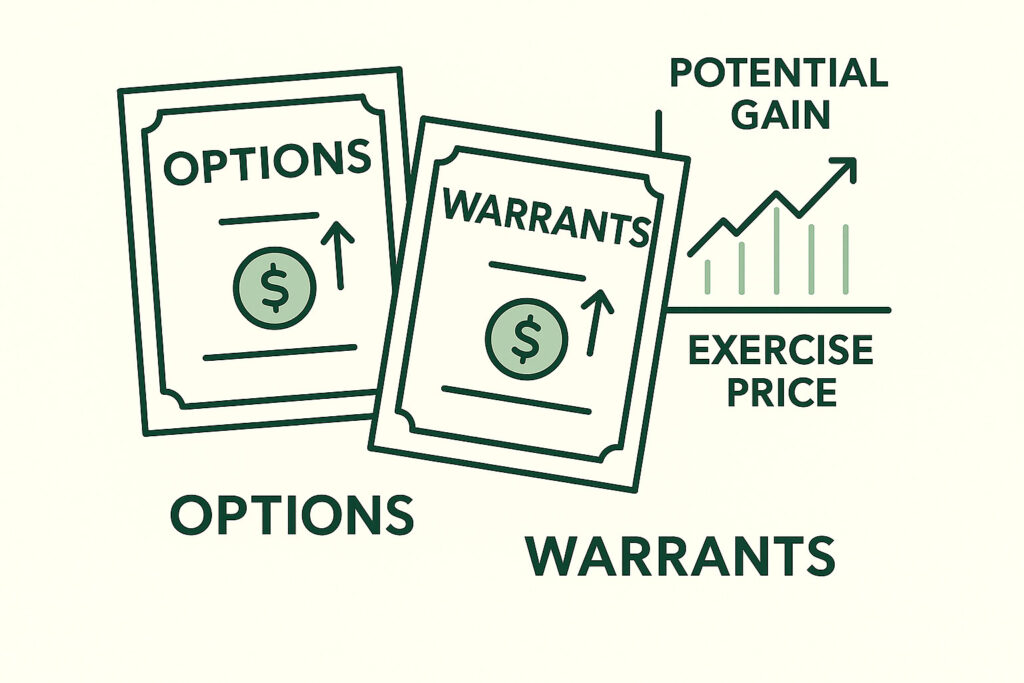
    3. Share Options and Warrants

    What Are They?

    • Options: Right to buy shares at a predetermined price.
    • Warrants: Long-term option issued often with bonds or debentures to make them more attractive.

    Accounting Treatment

    • Recognize proceeds from exercise: Dr Cash X Cr Share Capital Y Cr Share Premium (X-Y)
    • If expired without exercise, recognize as income or adjust equity as per company policy.

    4. Debentures

    What Are Debentures?

    Debentures are long-term debt instruments with a fixed interest rate. They are not secured by assets in the case of unsecured debentures.

    Accounting Treatment

    Issuance of debentures:

    Dr Cash            X
         Cr Debentures Payable  X
    

    Interest payment:

    Dr Interest Expense  X
         Cr Cash          X
    

    Amortization of premium/discount may also apply if issued at a price different from face value.


    5. Bonds

    What Are Bonds?

    Bonds are long-term debt instruments, usually tradable, issued to raise capital from the public or institutional investors.

    Accounting Treatment

    • Issuance at par:
    Dr Cash          X
         Cr Bonds Payable  X
    
    • Issuance at discount/premium:
    Dr Cash          X
    Dr Discount on Bonds (if below par)
         Cr Bonds Payable  Y
    

    Interest accrual:

    Dr Interest Expense   X
         Cr Cash/Interest Payable  X
    

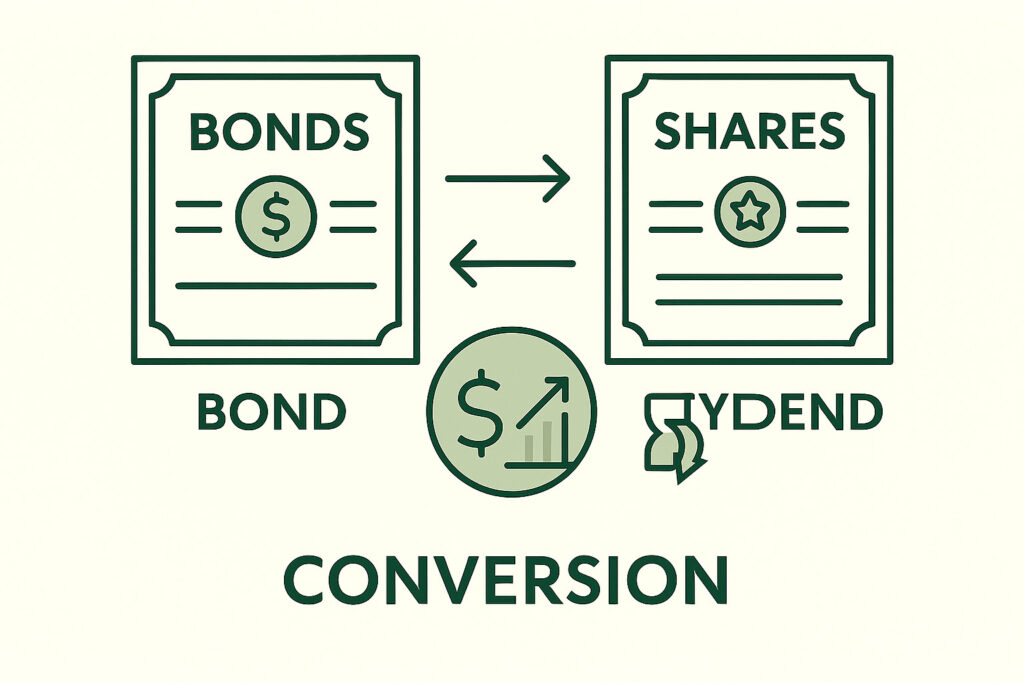
    6. Convertible Instruments

    What Are Convertibles?

    Convertibles are bonds or debentures that can be converted into equity at a predetermined rate.

    Accounting Treatment

    • On issuance: Split into liability (debt) and equity component:
    Dr Cash               X
         Cr Convertible Liability  Y
         Cr Equity Component      Z
    
    • Interest on liability part is recorded normally:
    Dr Interest Expense   Y
         Cr Cash          Y
    
    • On conversion:
    Dr Convertible Liability  Y
         Cr Share Capital     Z
         Cr Share Premium     (if applicable)
    

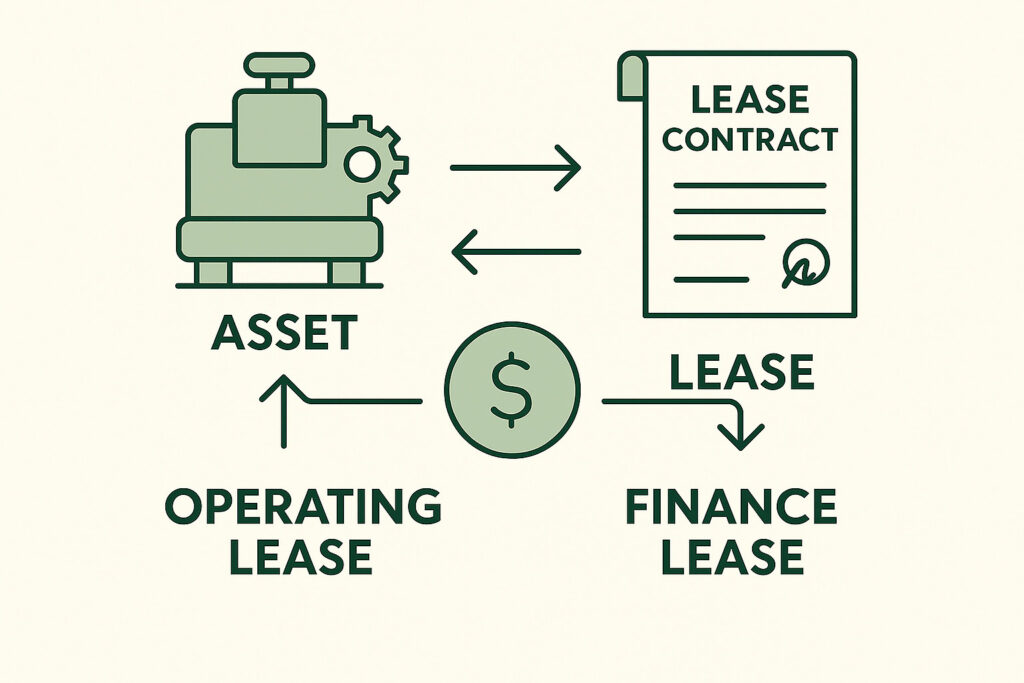
    7. Leasing

    What Is Leasing?

    Leasing is a method of obtaining assets without full upfront payment. Types include finance lease (capitalized) and operating lease (expense as incurred).

    Accounting Treatment

    • Finance Lease:
    Dr Leased Asset       X
         Cr Lease Liability  X
    
    • Lease payment:
    Dr Interest Expense   X
    Dr Lease Liability    Y
         Cr Cash          (X+Y)
    
    • Operating Lease:
    Dr Lease Expense      X
         Cr Cash          X
    

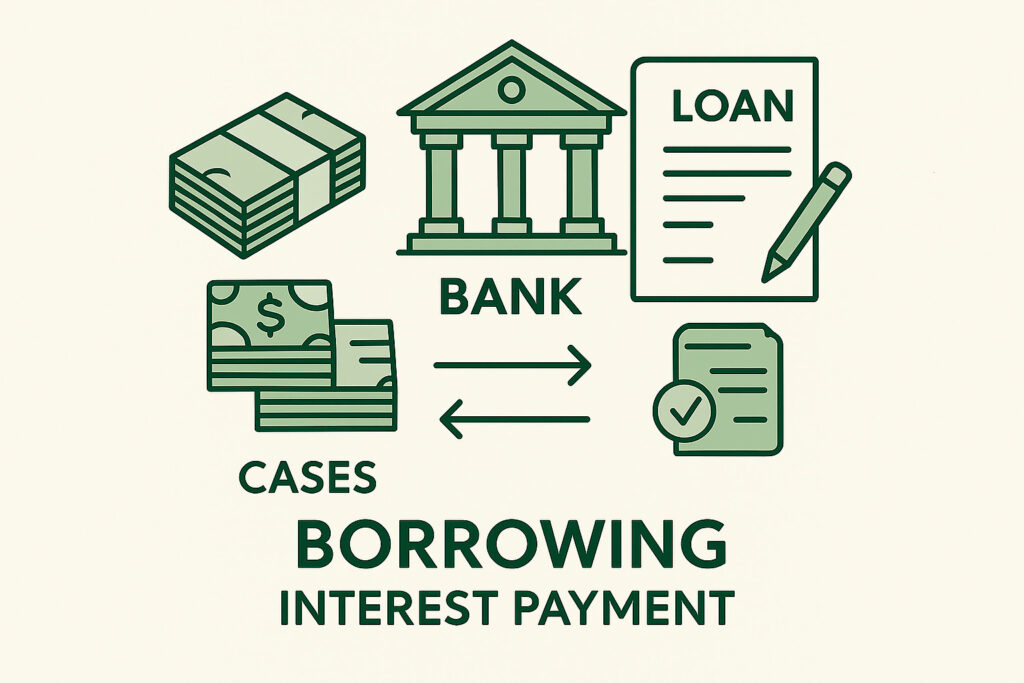
    8. Bank Loans

    What Are Bank Loans?

    Loans are borrowed funds repayable with interest over a fixed period.

    Accounting Treatment

    • Loan received:
    Dr Cash           X
         Cr Loan Payable  X
    
    • Interest expense:
    Dr Interest Expense  X
         Cr Cash          X
    

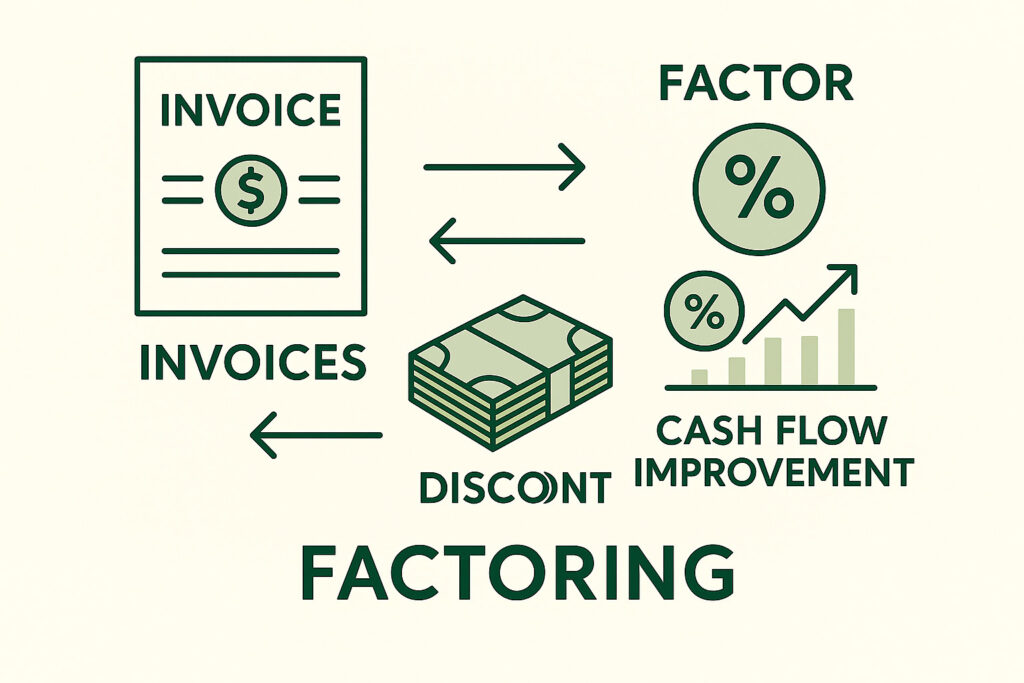
    9. Factoring

    What Is Factoring?

    Factoring is selling accounts receivable to a third party (factor) at a discount to improve cash flow.

    Accounting Treatment

    • On sale of receivables:
    Dr Cash              X
    Dr Loss on Sale of Receivables  Y
         Cr Accounts Receivable  (X+Y)
    

    10. Overdraft

    What Is an Overdraft?

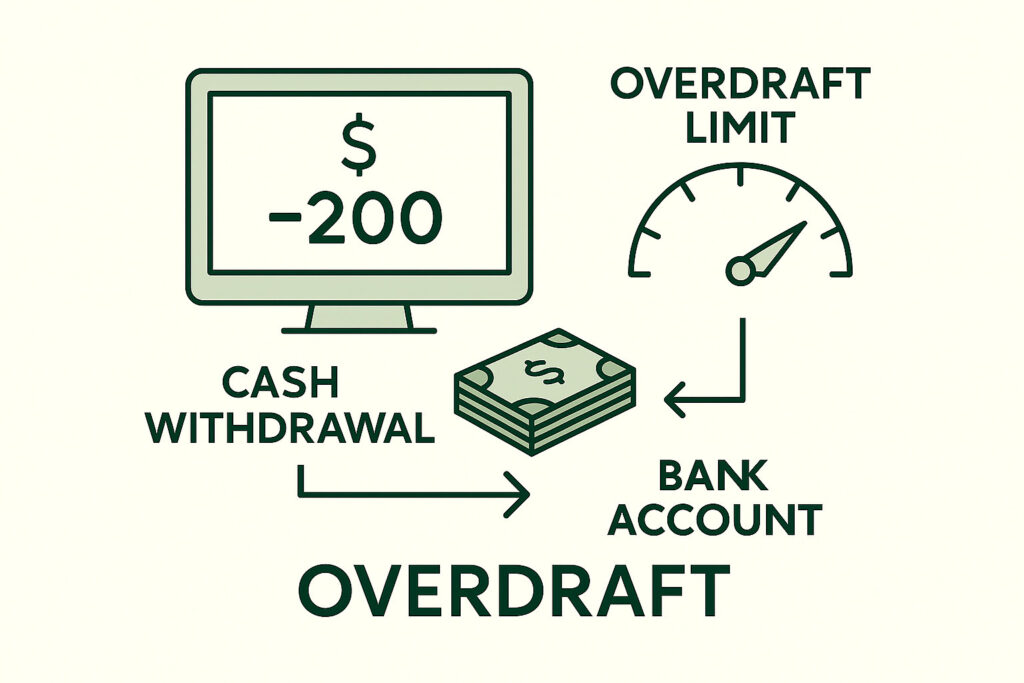
    An overdraft allows a company to withdraw more than its current account balance, usually up to an agreed limit.

    Accounting Treatment

    • Recording overdraft:
    Dr Cash/Bank       X
         Cr Bank Overdraft  X
    
    • Interest expense:
    Dr Interest Expense  X
         Cr Bank Overdraft/Cash  X
    

    Conclusion

    Funding is a cornerstone of business strategy, and understanding different types of funding is vital for proper financial management. Each source—equity, debt, hybrid instruments, and alternative financing—has unique implications on financial statements, control, and cost of capital.

    Proper accounting treatment ensures transparency, compliance, and accurate reporting, helping businesses make informed strategic decisions while maintaining investor confidence.

  • International Financial Reporting Standards (IFRS): A Complete Guide

    International Financial Reporting Standards (IFRS): A Complete Guide

    Financial reporting plays a critical role in ensuring transparency, accountability, and trust in global business. As companies expand across borders and investors operate internationally, the need for a common accounting language becomes increasingly important. International Financial Reporting Standards (IFRS) were developed to meet this need by providing a globally accepted framework for preparing financial statements.

    Today, IFRS is used in more than 140 jurisdictions, making it one of the most influential accounting standards in the world. This article provides a comprehensive overview of IFRS, including its history, objectives, structure, key standards, benefits, and practical challenges.


    What Is IFRS?

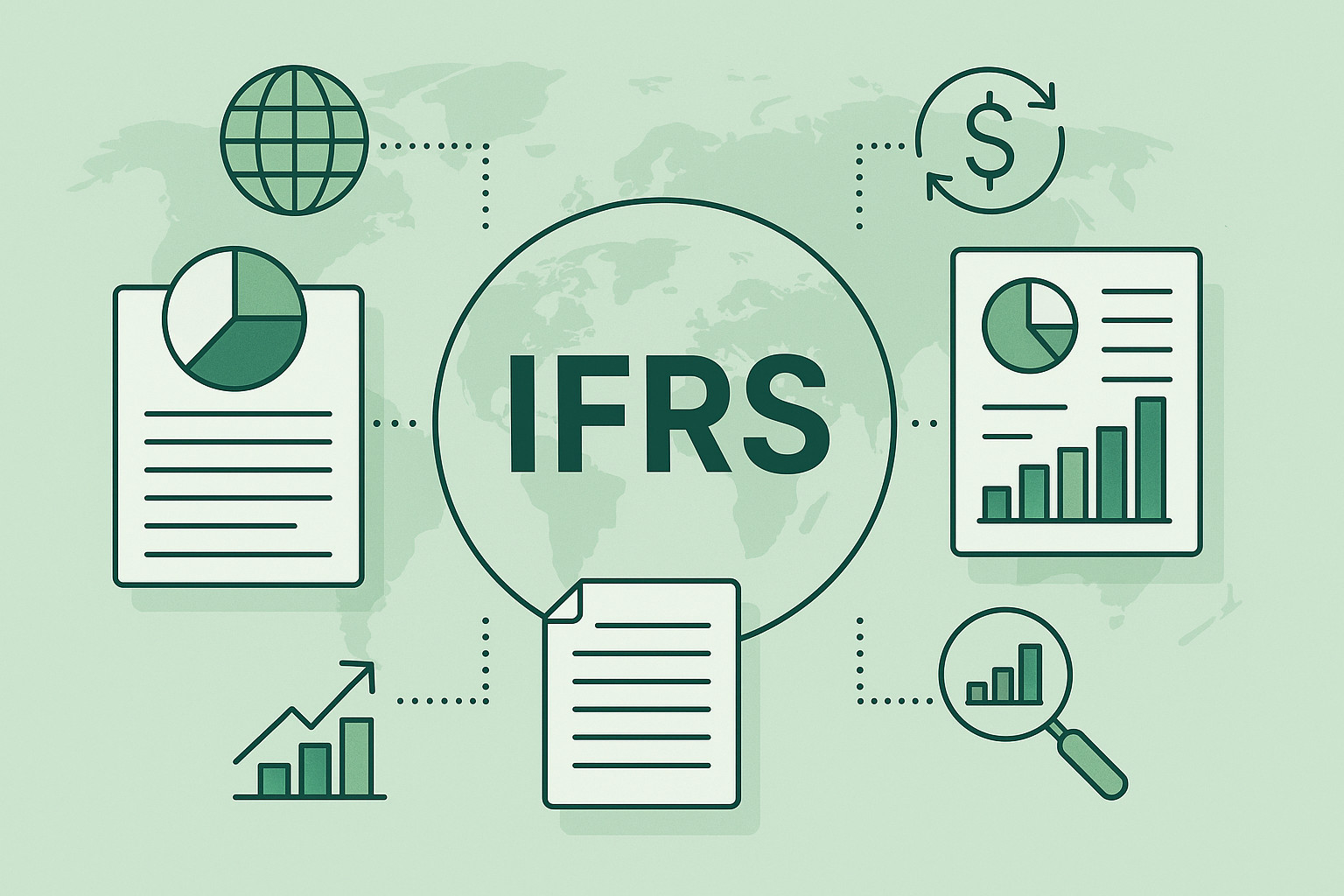
    International Financial Reporting Standards (IFRS) are a set of accounting standards designed to ensure consistency, transparency, and comparability in financial reporting across countries. IFRS governs how financial statements are prepared and presented, including the recognition, measurement, presentation, and disclosure of financial transactions.

    IFRS is developed and issued by the International Accounting Standards Board (IASB), an independent standard-setting body based in London.


    A Brief History of IFRS

    Early Development

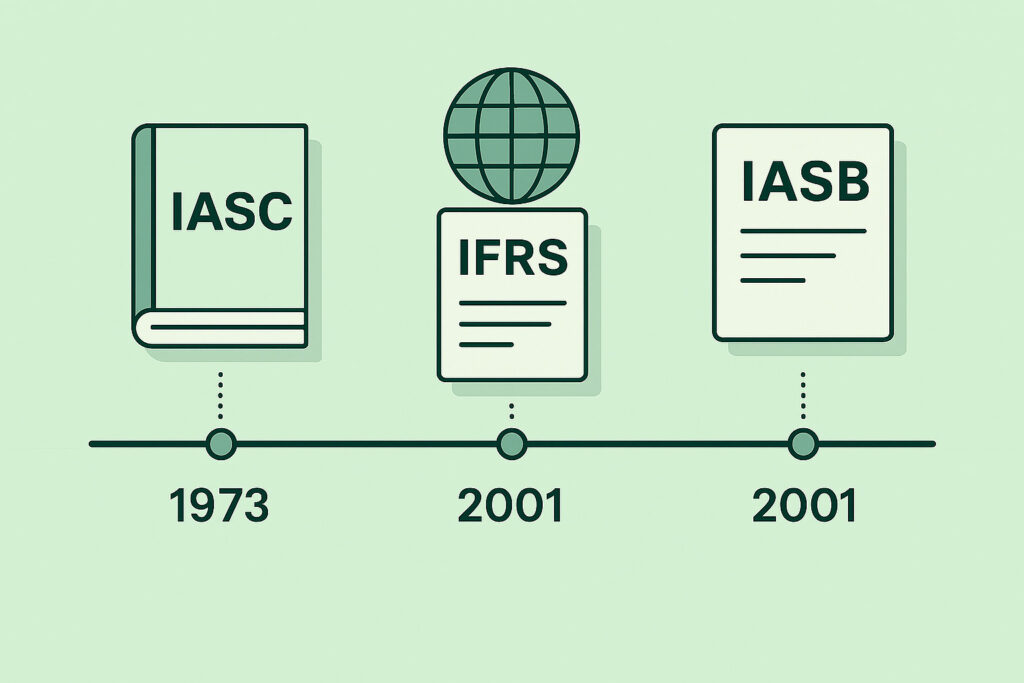
    • 1973: The International Accounting Standards Committee (IASC) was formed to develop global accounting standards.
    • 1973–2001: The IASC issued International Accounting Standards (IAS).

    Formation of IASB

    • 2001: The IASC was restructured into the International Accounting Standards Board (IASB).
    • From this point onward, new standards were issued as IFRS, while existing IAS standards continued to apply unless replaced.

    Global Adoption

    • 2005: The European Union required all listed companies to adopt IFRS.
    • Since then, many countries across Asia, Africa, and the Americas have either adopted IFRS fully or aligned local standards closely with it.

    Objectives of IFRS

    The main objectives of IFRS are to:

    • Provide high-quality, transparent, and comparable financial information
    • Improve investor confidence and decision-making
    • Reduce the cost of capital by improving financial statement reliability
    • Promote consistency in global financial reporting
    • Support efficient functioning of international capital markets

    Who Uses IFRS?

    IFRS is commonly used by:

    • Publicly listed companies outside the United States
    • Multinational corporations
    • Financial institutions
    • Investors and analysts evaluating cross-border investments
    • Subsidiaries of global groups preparing consolidated accounts

    Some countries require IFRS for all companies, while others limit its use to listed entities.


    Key Components of IFRS Financial Statements

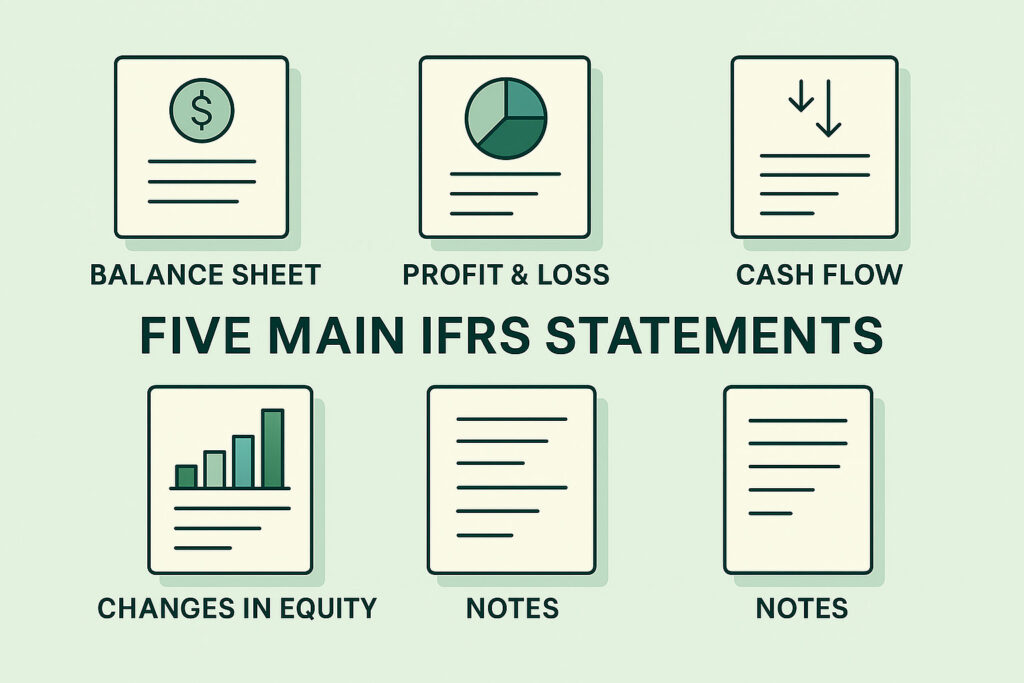
    Under IFRS, a complete set of financial statements typically includes:

    • Statement of Financial Position
    • Statement of Profit or Loss and Other Comprehensive Income
    • Statement of Changes in Equity
    • Statement of Cash Flows
    • Notes to the Financial Statements

    These statements collectively provide a comprehensive view of an entity’s financial performance and position.


    Principles-Based Approach of IFRS

    IFRS follows a principles-based approach rather than a rules-based one. This means:

    • Standards focus on underlying economic substance
    • Professional judgment is emphasized
    • Less prescriptive guidance compared to some national standards

    This approach allows IFRS to be applied flexibly across different industries and jurisdictions.


    Major IFRS Standards Explained

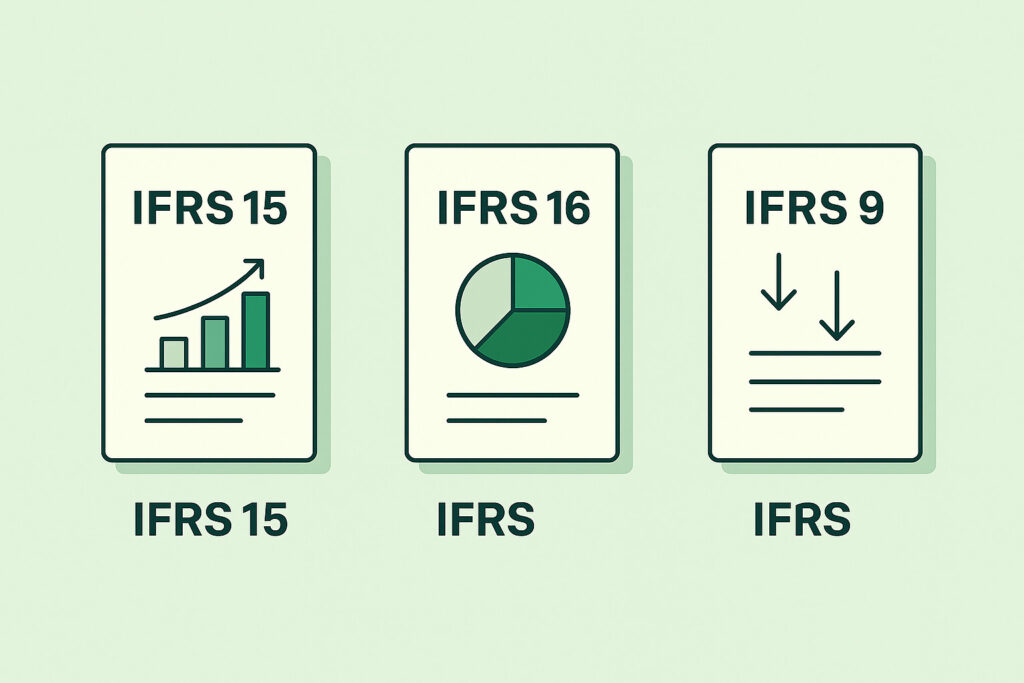
    IFRS 15 – Revenue from Contracts with Customers

    Provides a five-step model for revenue recognition, focusing on performance obligations and transfer of control.

    IFRS 16 – Leases

    Requires lessees to recognize most leases on the balance sheet, increasing transparency of lease obligations.

    IFRS 9 – Financial Instruments

    Covers classification, measurement, impairment, and hedge accounting of financial instruments.

    IAS 1 – Presentation of Financial Statements

    Sets out overall requirements for financial statement presentation and minimum disclosure requirements.

    IAS 36 – Impairment of Assets

    Ensures assets are not carried at more than their recoverable amounts.


    Advantages of IFRS

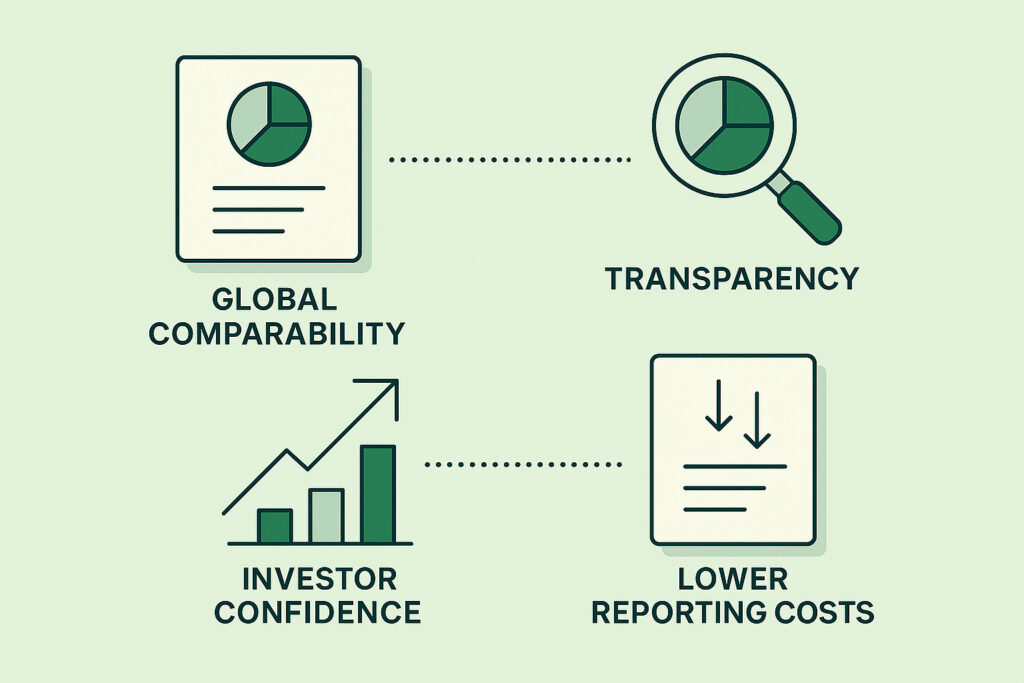
    Global Comparability

    Financial statements prepared under IFRS can be compared across borders, improving investor analysis.

    Improved Transparency

    IFRS emphasizes disclosure and fair presentation of financial information.

    Lower Reporting Costs

    Multinational companies can use a single accounting framework for group reporting.

    Investor Confidence

    Consistent reporting enhances trust and credibility in financial markets.


    Challenges of IFRS Adoption

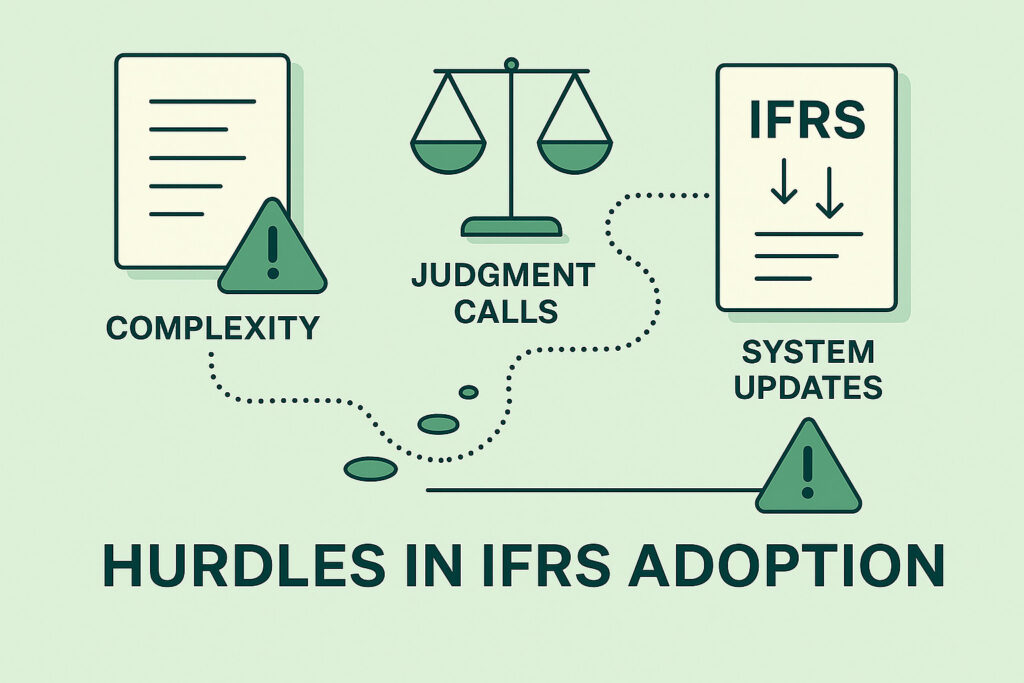
    Complexity

    Some standards, such as financial instruments and leases, are technically complex.

    Judgment-Heavy

    The principles-based nature requires skilled professionals and strong internal controls.

    Transition Costs

    Initial adoption can involve system changes, training, and restatement of financial data.


    IFRS vs Local Accounting Standards

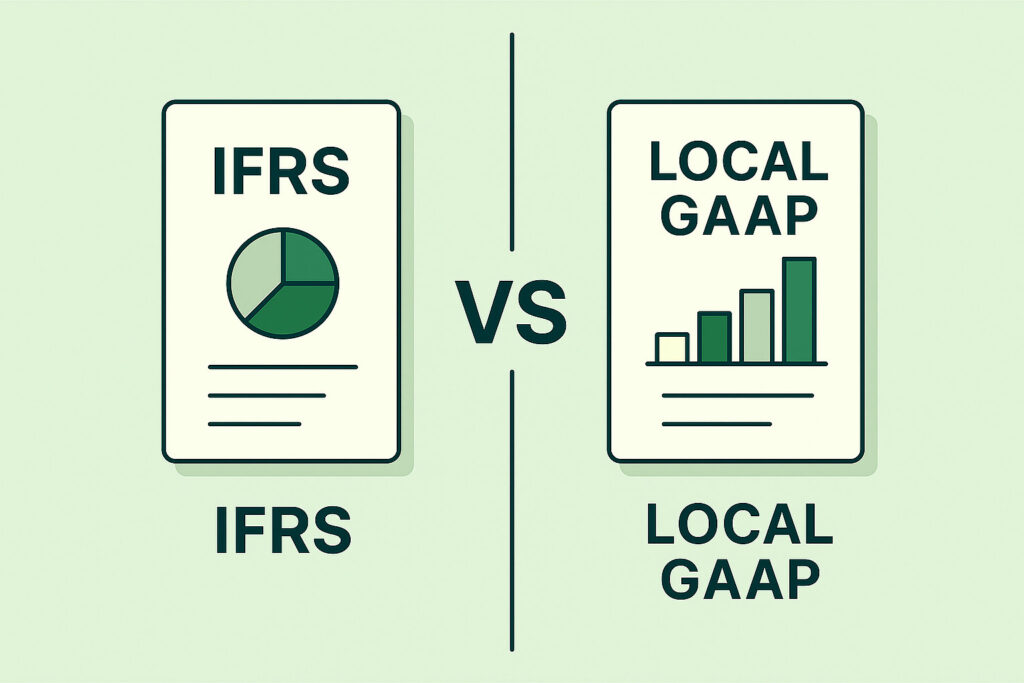
    Many countries maintain local GAAP frameworks that are partially or fully aligned with IFRS. While IFRS promotes global consistency, differences may still exist due to:

    • Local legal requirements
    • Tax regulations
    • Economic environments

    Companies often need reconciliation when transitioning between IFRS and local standards.


    IFRS and the Future of Financial Reporting

    IFRS continues to evolve in response to emerging business models, digital assets, sustainability reporting, and global economic changes. The IASB actively updates standards to reflect modern financial realities, ensuring IFRS remains relevant and reliable.


    Conclusion

    IFRS has transformed global financial reporting by creating a common accounting language for businesses worldwide. Its principles-based approach, global acceptance, and focus on transparency make it a cornerstone of modern financial reporting.

    For companies operating internationally, understanding IFRS is not optional—it is essential for compliance, investor confidence, and long-term success.

  • UK GAAP vs US GAAP: A Comprehensive Comparison

    UK GAAP vs US GAAP: A Comprehensive Comparison

    Accounting standards exist to ensure financial statements are consistent, transparent, and comparable. Two of the most widely referenced frameworks are UK GAAP and US GAAP. While both aim to present a true and fair view of a company’s financial performance and position, they differ significantly in structure, detail, and application.

    Understanding these differences is especially important for multinational groups, investors, finance professionals, and companies planning cross-border expansion. This article provides a detailed comparison of UK GAAP and US GAAP, covering their foundations, key differences, and practical implications.


    What Is UK GAAP?

    UK GAAP (United Kingdom Generally Accepted Accounting Practice) refers to the accounting standards used by entities in the UK. Modern UK GAAP is primarily based on:

    • FRS 102 – The Financial Reporting Standard applicable in the UK and Republic of Ireland
    • FRS 105 – For micro-entities
    • FRS 101 – Reduced disclosure framework for qualifying entities

    UK GAAP is heavily aligned with IFRS (International Financial Reporting Standards), but it is simplified and adapted for UK-specific legal and reporting requirements.

    Who Uses UK GAAP?

    • Small and medium-sized entities (SMEs)
    • UK subsidiaries of international groups
    • Companies not required or not choosing to apply IFRS

    What Is US GAAP?

    US GAAP (United States Generally Accepted Accounting Principles) is the accounting framework used in the United States. It is developed and maintained by the Financial Accounting Standards Board (FASB).

    US GAAP is known for its:

    • Extensive detailed guidance
    • Industry-specific rules
    • Emphasis on consistency and comparability

    Who Uses US GAAP?

    • All publicly listed companies in the US
    • Many private companies operating in the US
    • International companies listed on US stock exchanges

    Key Differences Between UK GAAP and US GAAP

    1. Conceptual Approach

    • UK GAAP
      More principles-based, allowing professional judgment to determine the most appropriate accounting treatment.
    • US GAAP
      More rules-based, with detailed guidance designed to cover many specific scenarios.

    Impact:
    UK GAAP offers flexibility, while US GAAP reduces interpretation risk but increases complexity.


    2. Financial Statement Presentation

    AreaUK GAAPUS GAAP
    Statement of financial positionFlexible layoutPrescriptive formats
    Statement of cash flowsRequired (some small entities exempt)Mandatory for all
    TerminologyAligned with IFRSUS-specific terminology

    3. Revenue Recognition

    • UK GAAP (FRS 102)
      Based on IFRS principles, focusing on the transfer of risks and rewards or performance obligations.
    • US GAAP
      Uses ASC 606, a detailed five-step revenue recognition model.

    Key difference:
    US GAAP provides more explicit guidance for complex arrangements such as software, licensing, and bundled services.


    4. Lease Accounting

    • UK GAAP
      Under FRS 102, leases are classified as either operating or finance leases (similar to older IAS 17).
    • US GAAP
      Requires lessees to recognize most leases on the balance sheet, classifying them as operating or finance leases, but both create right-of-use assets and lease liabilities.

    Impact:
    US GAAP generally results in higher reported assets and liabilities.


    5. Development Costs

    • UK GAAP
      Development costs must be capitalized when certain criteria are met.
    • US GAAP
      Development costs are generally expensed as incurred, except for specific software development scenarios.

    This can lead to significantly different profit figures between the two standards.


    6. Inventory Valuation

    • UK GAAP
      Inventory is measured at the lower of cost and net realizable value. LIFO is not permitted.
    • US GAAP
      Allows LIFO (Last In, First Out) as an inventory valuation method.

    Impact:
    Companies using LIFO under US GAAP may report lower profits during periods of inflation.


    7. Revaluation of Assets

    • UK GAAP
      Permits revaluation of certain non-current assets such as property, plant, and equipment.
    • US GAAP
      Generally prohibits revaluation, requiring assets to be carried at historical cost less depreciation.

    8. Financial Instruments

    • UK GAAP
      Uses a simplified model for recognition and measurement compared to full IFRS.
    • US GAAP
      Has complex classification, measurement, and impairment rules with extensive disclosure requirements.

    9. Consolidation and Group Accounts

    • UK GAAP
      Control-based model similar to IFRS, with some exemptions for small groups.
    • US GAAP
      More detailed consolidation guidance, including variable interest entity (VIE) rules.

    10. Disclosure Requirements

    • UK GAAP
      Generally fewer disclosures, especially for SMEs.
    • US GAAP
      Extensive disclosure requirements, often resulting in longer financial statements.

    Practical Implications for Businesses

    For UK Companies Expanding to the US

    • May need to maintain dual reporting (UK GAAP and US GAAP)
    • Increased compliance costs
    • Adjustments required for revenue, leases, and development costs

    For Investors

    • Financial results may not be directly comparable
    • Understanding accounting differences is essential for proper valuation

    For Group Reporting

    • Differences can create consolidation challenges
    • Reconciliation adjustments are often required at group level

    UK GAAP vs US GAAP: Summary Table

    AreaUK GAAPUS GAAP
    ApproachPrinciples-basedRules-based
    ComplexityModerateHigh
    FlexibilityHigherLower
    Disclosure burdenLowerHigher
    Global alignmentIFRS-alignedUS-specific

    Conclusion

    UK GAAP and US GAAP serve the same fundamental purpose but differ significantly in execution. UK GAAP prioritizes flexibility and simplicity, making it suitable for SMEs and UK-focused entities. US GAAP emphasizes detailed guidance and consistency, which benefits large and complex organizations but increases reporting complexity.

    For companies operating internationally, understanding these differences is not just an accounting exercise—it directly impacts financial performance, compliance, and strategic decision-making.

  • Summary of news from AICPA (American Institute of CPAs) from 08-Nov-2025 to 14-Nov-2025

    AICPA and CIMA Introduce Global Women to Watch Program to Celebrate Trailblazing Women in Accounting

    The AICPA and CIMA have launched the Global Women to Watch program, aimed at honoring women who have made significant contributions to the accounting profession. This initiative seeks to recognize and celebrate trailblazers who are impacting the industry positively.

    Published: 10 hours ago

    Source: AICPA

    AICPA Holiday Spending Survey Reveals Budgeting, Debt and a Bit of Regret

    A recent AICPA survey highlights insights into holiday spending habits, focusing on budgeting complexities, rising debt levels, and feelings of regret among consumers about their financial management during the festive season.

    Published: 20 hours ago

    Source: AICPA

    CIMA launches new toolkit to boost public sector productivity and deliver better value for taxpayers

    CIMA has introduced a new toolkit designed to enhance productivity in the public sector, aiming to deliver greater value to taxpayers through improved fiscal management and operational efficiency.

    Published: Nov 12, 2025

    Source: AICPA

    Year-End Tax and Financial Planning Tips from CPAs

    CPAs are sharing essential year-end tax planning advice to help individuals and businesses optimize their financial outcomes as the year draws to a close, focusing on strategic decision-making for tax efficiency.

    Published: Nov 12, 2025

    Source: AICPA

    Steps in Implementing Data Governance

    This article outlines practical steps for organizations to implement effective data governance policies, emphasizing the importance of structured management practices to ensure data quality and compliance.

    Published: Nov 12, 2025

    Source: AICPA

    AICPA & CIMA Women’s Initiatives Hall of Honor

    The AICPA and CIMA have established the Women’s Initiatives Hall of Honor to recognize and celebrate women who have made remarkable contributions to the profession, inspiring future generations.

    Published: Nov 11, 2025

    Source: AICPA

    Current PFP Digest

    The Current PFP Digest highlights recent trends and essential updates in personal financial planning, providing CPAs with key information to better serve their clients.

    Published: Nov 11, 2025

    Source: AICPA

    CPAs Across America Join Forces to Inspire Students to Pursue Accounting Careers

    In an effort to encourage the next generation of accountants, CPAs from across the country are collaborating on initiatives to inspire students to consider a career in accounting, promoting the profession’s benefits and opportunities.

    Published: Nov 10, 2025

    Source: AICPA

    Overall, this week’s trends reflect a strong emphasis on recognizing women’s contributions to accounting, as well as providing resources for financial planning and public sector efficiency. Furthermore, the push to inspire future accounting professionals illustrates the profession’s commitment to growth and sustainability.

  • Summary of news from ACCA (Association of Chartered Certified Accountants) from 05-Nov-2025 to 11-Nov-2025

    New president of ACCA to focus on how accountancy is being redefined

    Melanie Proffitt has a wealth of experience that she will utilise in her leadership role…

    Published on: 10 Nov 2025

    Read more

    Interconnected sustainability and financial information vital for resilient organisations says new report

    The Sustainability reporting: Track your progress report from ACCA (the Association of Chartered Certified Accountants) has revealed that insights on how business operations impact stakeholders are essential for organisations to be resilient and thrive …

    Published on: 10 Nov 2025

    Read more

    This week, key developments in the accounting profession highlight the importance of leadership with a focus on redefining accountancy and the critical role of sustainability in organizational resilience. Melanie Proffitt’s appointment as ACCA president signals a transformative approach, while the latest ACCA report underscores the integration of sustainability and financial information as essential for thriving businesses.

  • Summary of news from AICPA (American Institute of CPAs) from 01-Nov-2025 to 07-Nov-2025

    Current PFP News

    No specific details are available regarding the latest Personal Financial Planning (PFP) news.

    Published Date: Nov 06, 2025

    AICPA Disciplinary Actions

    This article outlines various disciplinary actions taken by the AICPA, detailing the list of professionals affected due to breaches of conduct.

    Published Date: Nov 04, 2025

    For more information, visit AICPA Disciplinary Actions.

    Trifilo, Timothy J. of Washington, DC

    This entry discusses disciplinary matters related to Timothy J. Trifilo from Washington, DC.

    Published Date: Nov 04, 2025

    For more information, visit Timothy J. Trifilo.

    Leach, Kelley P. of Beaufort, NC

    This entry addresses the disciplinary actions involving Kelley P. Leach from Beaufort, NC.

    Published Date: Nov 04, 2025

    For more information, visit Kelley P. Leach.

    Olagbemi, Oladapo A. of San Diego, CA

    This article provides insights into the disciplinary issues faced by Oladapo A. Olagbemi from San Diego, CA.

    Published Date: Nov 04, 2025

    For more information, visit Oladapo A. Olagbemi.

    Westbrook, Jason A. of Montgomery, AL

    This entry details the disciplinary case concerning Jason A. Westbrook from Montgomery, AL.

    Published Date: Nov 04, 2025

    For more information, visit Jason A. Westbrook.

    Bravo-Carrillo, Maria of Lake Mary, FL

    This article discusses the disciplinary actions taken against Maria Bravo-Carrillo from Lake Mary, FL.

    Published Date: Nov 04, 2025

    For more information, visit Maria Bravo-Carrillo.

    Oltrogge, Keith D. of Denver, IA

    This entry addresses the disciplinary matters involving Keith D. Oltrogge from Denver, IA.

    Published Date: Nov 04, 2025

    For more information, visit Keith D. Oltrogge.

    Pimentel-Montez, Michelle A. of Modesto, CA

    This article provides insight into the disciplinary issues faced by Michelle A. Pimentel-Montez from Modesto, CA.

    Published Date: Nov 04, 2025

    For more information, visit Michelle A. Pimentel-Montez.

    Current PFP Digest

    No specific updates are provided in this latest digest of Personal Financial Planning (PFP) news.

    Published Date: Nov 04, 2025

    Gentile, David of Mineola, NY

    This entry discusses the disciplinary matters concerning David Gentile from Mineola, NY.

    Published Date: Nov 04, 2025

    For more information, visit David Gentile.

    Ishigami, Hiroshi of Rolling Hills Estates, CA

    This article provides insights into the disciplinary issues involving Hiroshi Ishigami from Rolling Hills Estates, CA.

    Published Date: Nov 04, 2025

    For more information, visit Hiroshi Ishigami.

    This week, the focus of AICPA news has largely been on disciplinary actions against various members across different states. Each individual case highlights the ongoing commitment of the AICPA to uphold professional standards and integrity within the accounting profession. Additional updates regarding personal financial planning were also noted, though specific details remain sparse.

  • The Power of Chart of Accounts Alignment: Streamlining Financial Reporting and Enhancing Performance Insights for CFOs

    Imagine if you could transform an intricate maze of financial data into a clear, cohesive roadmap that drives your business forward. For CFOs and finance professionals, this is not just a dream—it’s the potent result of aligning a well-structured Chart of Accounts (COA) with strategic financial reporting objectives. However, many organizations still grapple with the complexities of their financial systems. Did you know that misaligned COAs can lead to a staggering 20-30% inefficiency in reporting processes? In this article, we will explore the crucial role of Chart of Accounts alignment in financial reporting, its implications for consolidation, and how it can ultimately lead to enriched performance insights. Get ready to embark on a comprehensive guide tailored for finance professionals looking to master the art of COA alignment!

    Understanding the Chart of Accounts

    The Chart of Accounts is a fundamental component of any financial management system. It serves as a structured listing of all accounts used by an organization to categorize financial transactions. You can think of the COA as the backbone of your financial reporting process. It includes accounts for assets, liabilities, equity, revenues, and expenses, and offers a framework to capture and report financial data. Proper COA design is crucial for accurate reporting—without it, your financial reports may resemble a collection of mismatched puzzle pieces rather than a complete picture.
    When designing a COA, finance professionals must consider the organization’s specific needs. Therefore, a well-aligned COA should reflect not only industry standards but also the strategic goals and objectives of the organization. This alignment will enable accurate tracking of financial performance, driving better forecasting, budgeting, and ultimately decision-making.
    Why is Chart of Accounts Alignment Essential?

    An aligned COA creates harmony between financial data collection and reporting. The benefits of achieving this alignment are manifold:

    • Enhanced Financial Reporting: A well-structured COA allows for accurate financial statements that comply with regulatory frameworks and provide a clear overview of the organization’s financial performance.
    • Improved Data Analysis: Alignment supports deeper analysis and insight extraction from financial data, enabling finance teams to identify trends, opportunities, and potential risks more effectively.
    • Streamlined Consolidation Processes: Consistency in account structures across multiple entities makes financial consolidation simpler and less error-prone, yielding faster reporting timelines.
    • Informed Decision-Making: Accurate and timely financial information derived from a properly aligned COA empowers CFOs to make informed, strategic decisions that drive performance.

    Analyzing Current Practices: Common Pitfalls in Chart of Accounts Alignment

    • Overcomplication: Some organizations create overly complicated COAs with excessive detail, leading to confusion and inefficiency in data entry and reporting. A COA should provide enough granularity to capture essential information without becoming cumbersome.
    • Lack of Standardization: Without standardized account names and structures across departments or entities, financial reporting can become inconsistent, resulting in reconciliation challenges and misunderstandings.
    • Infrequent Reviews: Failing to periodically review and adjust the COA as the business evolves can lead to misalignment with current reporting needs, which could skew financial insights.
    • Resistance to Change: Employees accustomed to using outdated systems or processes may resist transitioning to a more effective COA structure, hindering alignment efforts.

    Identifying these pitfalls is the first step toward addressing them effectively. CFOs must lead by example, advocating for alignment and demonstrating its value to the entire organization.

    Practical Steps for Achieving Chart of Accounts Alignment

    Aligning your Chart of Accounts is an iterative process that requires careful planning and execution. Here are actionable steps to streamline your COA for enhanced financial reporting:

    1. Define Objectives and Key Performance Indicators (KPIs)

    Start by clarifying your organization’s financial reporting objectives. What metrics and KPIs are essential for measuring success? Align the COA to reflect these priorities, ensuring it supports accurate tracking and reporting of relevant metrics. CFOs should collaborate with cross-functional teams to gain insight into the information those teams require.

    2. Standardize Naming Conventions

    Create clarity through standardized account names and descriptions. Use consistent terminology across the organization to avoid confusion. For example, if one department refers to operational expenses as “Admin Expenses,” while another terms them “Operating Costs,” it can result in discrepancies in financial reporting. Establish a shared glossary of terms to guide account naming conventions.

    3. Simplify and Categorize

    A well-designed COA should not be overly complex. Start by categorizing accounts into logical groupings that align with reporting requirements. Limited account listings within each category make navigation easier for users. As a rule of thumb, aim for a balance between detail and simplicity, ensuring that your accounts capture necessary data without overwhelming users.

    4. Implement a Regular Review Process

    Create a structured process for reviewing the COA periodically. This includes examining the relevance of existing accounts and identifying new accounts that may need to be added as business needs evolve. Involve key stakeholders in the review process to ensure that all departments’ needs are met and the COA remains aligned with organizational goals.

    5. Invest in Training and Change Management

    Once a new COA structure is developed, it’s critical to train staff across the organization. Provide comprehensive training sessions to support users in understanding and adapting to the new system. Highlight the benefits of the COA alignment to foster acceptance and mitigate resistance to change. CFOs should actively endorse this transition to show commitment to a more efficient financial reporting framework.

    Case Study: Company X’s Journey to Chart of Accounts Alignment

    To put these principles into practice, let’s examine a real-world case study of Company X, which underwent a transformational COA alignment to improve its financial reporting and performance insights.

    Company X was a mid-sized technology firm with multiple divisions operating semi-autonomously. Each division had developed its own COA, resulting in significant discrepancies in how data was captured and reported. Financial reporting consolidated at the corporate level was often inaccurate and slow, delaying critical business decisions.

    Identifying the Need for Change

    During a strategic review, the CFO identified significant reporting inefficiencies. On average, the company took 15 days to consolidate financial reports. This delay was detrimental in an industry that thrived on agility and fast decision-making. Stakeholders were frustrated, but the CFO knew that a well-aligned COA could be the key to resolving these issues.

    Engaging Stakeholders

    The CFO organized cross-functional workshops to engage department heads and collect input on their reporting needs. Through these discussions, they discovered the importance of creating a standardized COA to streamline reporting while maintaining the granularity necessary to analyze each division’s performance.

    Implementing the New Structure

    After several months of collaboration, Company X rolled out a new, standardized COA that aligned with its strategic objectives. They simplified account categories, clarified any ambiguities in account names, and provided training across the organization. This included visual aids and step-by-step guides to ease the transition.

    Measuring Results

    Once the new COA was fully implemented, Company X achieved remarkable results. The time taken to generate consolidated financial reports was reduced to just five days. Departments could more effectively analyze their performance and report findings accurately. The CFO reported increased confidence in financial data, which enabled the firm to make faster, data-driven strategic decisions.

    Performance Insights: Moving Beyond Numbers

    Chart of Accounts alignment does not merely enhance financial reporting; it unlocks the potential for deeper performance insights. With a robust and consistent COA in place, finance professionals can utilize advanced analytics tools to manipulate data in ways that were previously challenging. This paves the way for forward-looking insights essential for strategic planning.

    Data Visualization Strategies

    The use of data visualization tools can elevate the power of financial data derived from an aligned COA. For instance, incorporating dashboards that visualize performance metrics allows CFOs and stakeholders to quickly identify trends and areas needing attention. Tools like Tableau or Power BI enable the combination of financial data with operational data to paint a more comprehensive picture of organizational performance.

    Scenario Analysis and Modeling

    With clean, organized data from a well-aligned COA, CFOs can engage in scenario analysis, modeling various strategic initiatives’ financial implications, and projecting outcomes. This forward-thinking approach equips organizations to navigate uncertainty and seize opportunities.

    Conclusion: The Future of Financial Reporting and Performance Management

    As the financial landscape continuously evolves, the alignment of the Chart of Accounts plays a vital role in ensuring organizations remain agile, informed, and effective in their reporting and performance management efforts. For CFOs, embracing COA alignment is not just about enhancing operational efficiency; it is an essential step toward fostering organizational resilience and sustainability.

    In conclusion, the path to effective financial reporting and performance insights begins with a properly aligned Chart of Accounts. By taking the necessary steps to standardize, simplify, and continuously review your COA, finance professionals can harness the full power of financial data, leading to better decision-making, strategic advantage, and ultimately, business success.