Category: Accounting & Financial Reporting Terminology Explained

  • Understanding Funding in Accounting: Shares, Debts, and Financing Options

    Understanding Funding in Accounting: Shares, Debts, and Financing Options

    Introduction

    Raising funds is a critical activity for any business, whether it’s a startup seeking capital, a growing company financing expansion, or an established firm managing cash flow. Understanding the various funding sources and their accounting implications is essential for accountants, finance managers, and investors.

    This article explores the key methods of funding, including equity, debt, hybrid instruments, and alternative financing, and explains how each is recorded in the financial statements.


    1. Ordinary Shares (Common Stock)

    What Are Ordinary Shares?

    Ordinary shares represent ownership in a company. Shareholders have voting rights and are entitled to dividends if declared.

    Accounting Treatment

    When shares are issued:

    Example: Issue 1,000 shares at $10 each.

    • Entry: Dr Cash 10,000 Cr Share Capital 10,000

    Dividends declared:

    Dr Retained Earnings  X
         Cr Dividends Payable  X
    

    2. Preference Shares

    What Are Preference Shares?

    Preference shares give holders preferential treatment in dividends and capital repayment but usually do not have voting rights.

    Accounting Treatment

    Issuing preference shares:

    Dr Cash             X
         Cr Preference Share Capital  X
    

    Dividends (cumulative or non-cumulative):

    Dr Retained Earnings  X
         Cr Dividends Payable  X
    

    Note: Redeemable preference shares may also require adjustments for premium on redemption.


    3. Share Options and Warrants

    What Are They?

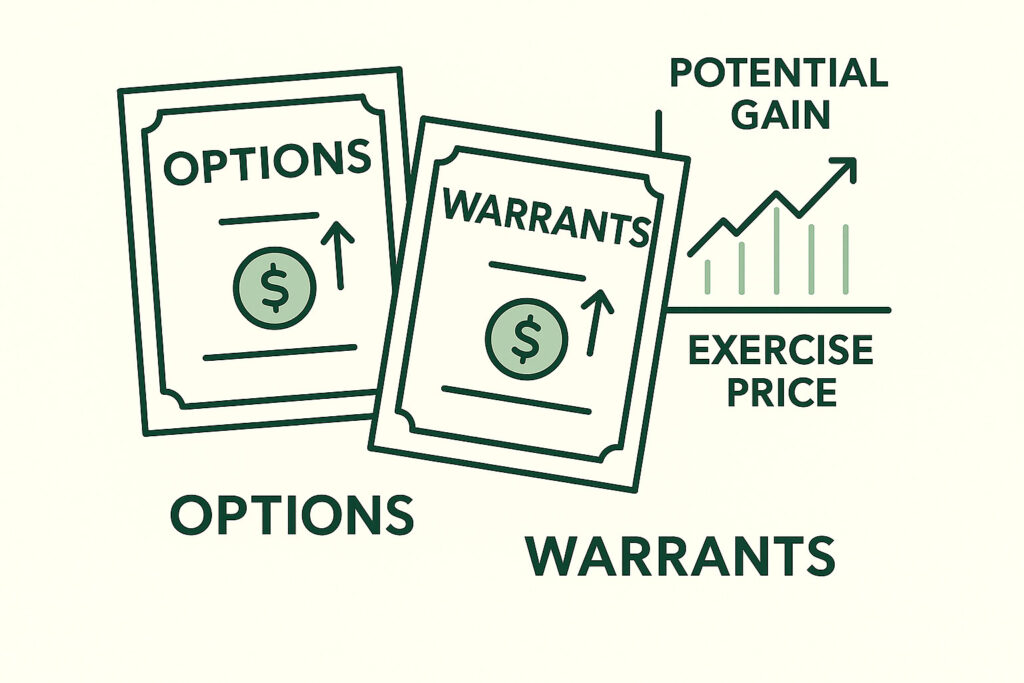
    • Options: Right to buy shares at a predetermined price.
    • Warrants: Long-term option issued often with bonds or debentures to make them more attractive.

    Accounting Treatment

    • Recognize proceeds from exercise: Dr Cash X Cr Share Capital Y Cr Share Premium (X-Y)
    • If expired without exercise, recognize as income or adjust equity as per company policy.

    4. Debentures

    What Are Debentures?

    Debentures are long-term debt instruments with a fixed interest rate. They are not secured by assets in the case of unsecured debentures.

    Accounting Treatment

    Issuance of debentures:

    Dr Cash            X
         Cr Debentures Payable  X
    

    Interest payment:

    Dr Interest Expense  X
         Cr Cash          X
    

    Amortization of premium/discount may also apply if issued at a price different from face value.


    5. Bonds

    What Are Bonds?

    Bonds are long-term debt instruments, usually tradable, issued to raise capital from the public or institutional investors.

    Accounting Treatment

    • Issuance at par:
    Dr Cash          X
         Cr Bonds Payable  X
    
    • Issuance at discount/premium:
    Dr Cash          X
    Dr Discount on Bonds (if below par)
         Cr Bonds Payable  Y
    

    Interest accrual:

    Dr Interest Expense   X
         Cr Cash/Interest Payable  X
    

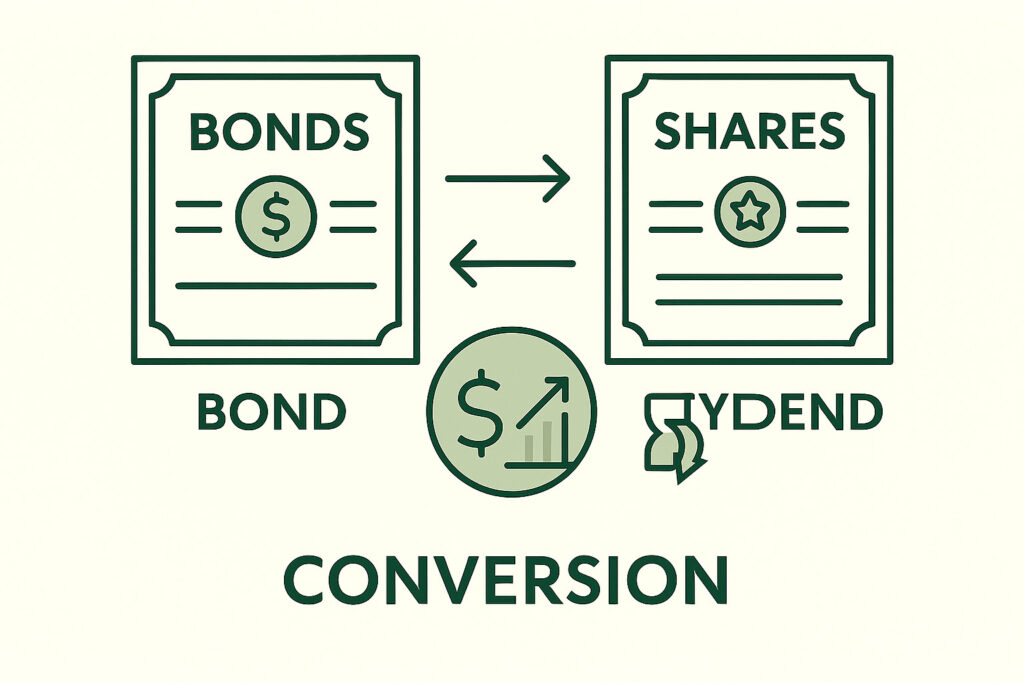
    6. Convertible Instruments

    What Are Convertibles?

    Convertibles are bonds or debentures that can be converted into equity at a predetermined rate.

    Accounting Treatment

    • On issuance: Split into liability (debt) and equity component:
    Dr Cash               X
         Cr Convertible Liability  Y
         Cr Equity Component      Z
    
    • Interest on liability part is recorded normally:
    Dr Interest Expense   Y
         Cr Cash          Y
    
    • On conversion:
    Dr Convertible Liability  Y
         Cr Share Capital     Z
         Cr Share Premium     (if applicable)
    

    7. Leasing

    What Is Leasing?

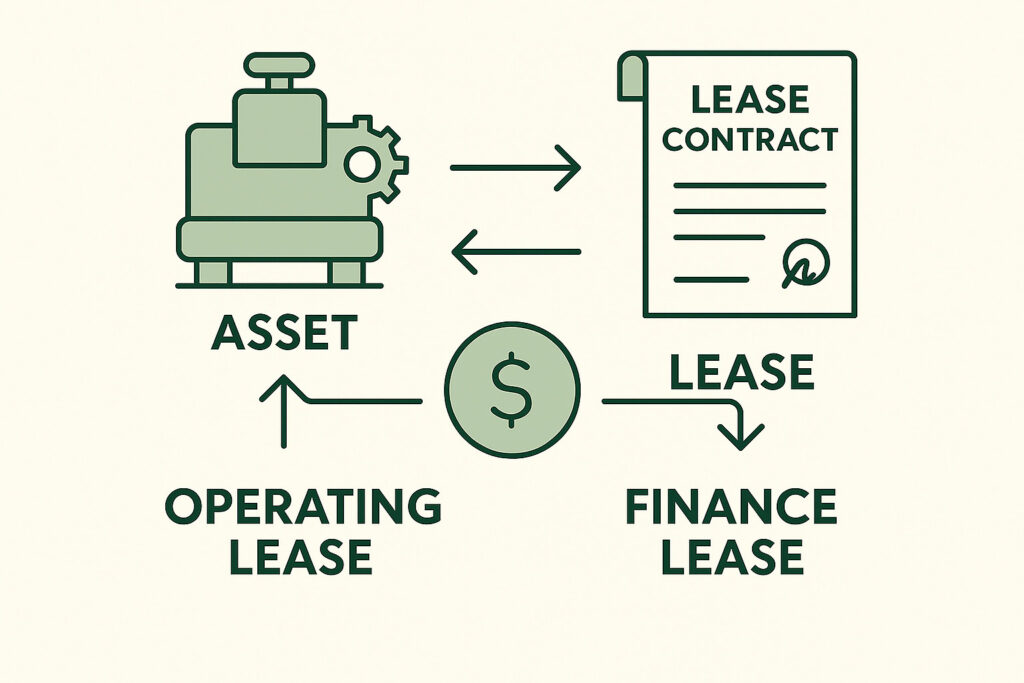
    Leasing is a method of obtaining assets without full upfront payment. Types include finance lease (capitalized) and operating lease (expense as incurred).

    Accounting Treatment

    • Finance Lease:
    Dr Leased Asset       X
         Cr Lease Liability  X
    
    • Lease payment:
    Dr Interest Expense   X
    Dr Lease Liability    Y
         Cr Cash          (X+Y)
    
    • Operating Lease:
    Dr Lease Expense      X
         Cr Cash          X
    

    8. Bank Loans

    What Are Bank Loans?

    Loans are borrowed funds repayable with interest over a fixed period.

    Accounting Treatment

    • Loan received:
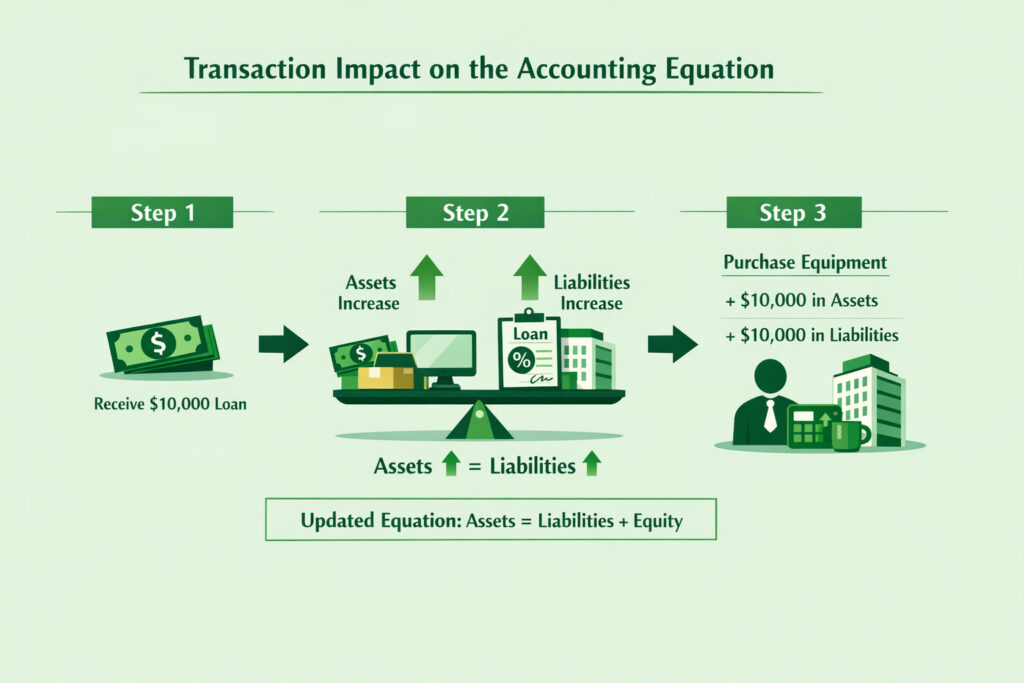
    Dr Cash           X
         Cr Loan Payable  X
    
    • Interest expense:
    Dr Interest Expense  X
         Cr Cash          X
    

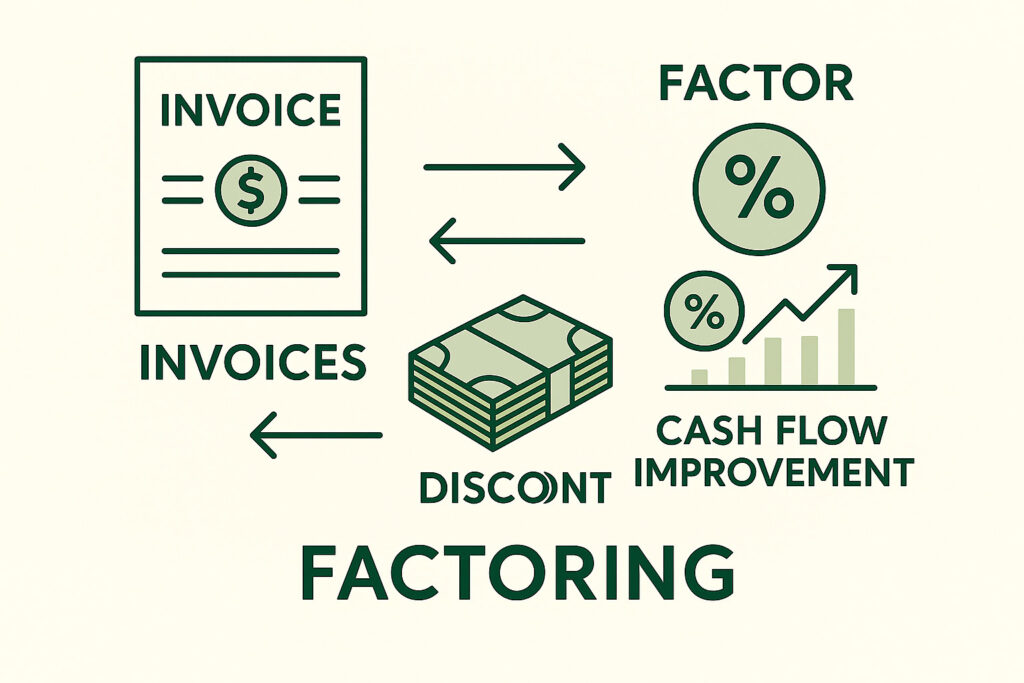
    9. Factoring

    What Is Factoring?

    Factoring is selling accounts receivable to a third party (factor) at a discount to improve cash flow.

    Accounting Treatment

    • On sale of receivables:
    Dr Cash              X
    Dr Loss on Sale of Receivables  Y
         Cr Accounts Receivable  (X+Y)
    

    10. Overdraft

    What Is an Overdraft?

    An overdraft allows a company to withdraw more than its current account balance, usually up to an agreed limit.

    Accounting Treatment

    • Recording overdraft:
    Dr Cash/Bank       X
         Cr Bank Overdraft  X
    
    • Interest expense:
    Dr Interest Expense  X
         Cr Bank Overdraft/Cash  X
    

    Conclusion

    Funding is a cornerstone of business strategy, and understanding different types of funding is vital for proper financial management. Each source—equity, debt, hybrid instruments, and alternative financing—has unique implications on financial statements, control, and cost of capital.

    Proper accounting treatment ensures transparency, compliance, and accurate reporting, helping businesses make informed strategic decisions while maintaining investor confidence.

  • International Financial Reporting Standards (IFRS): A Complete Guide

    International Financial Reporting Standards (IFRS): A Complete Guide

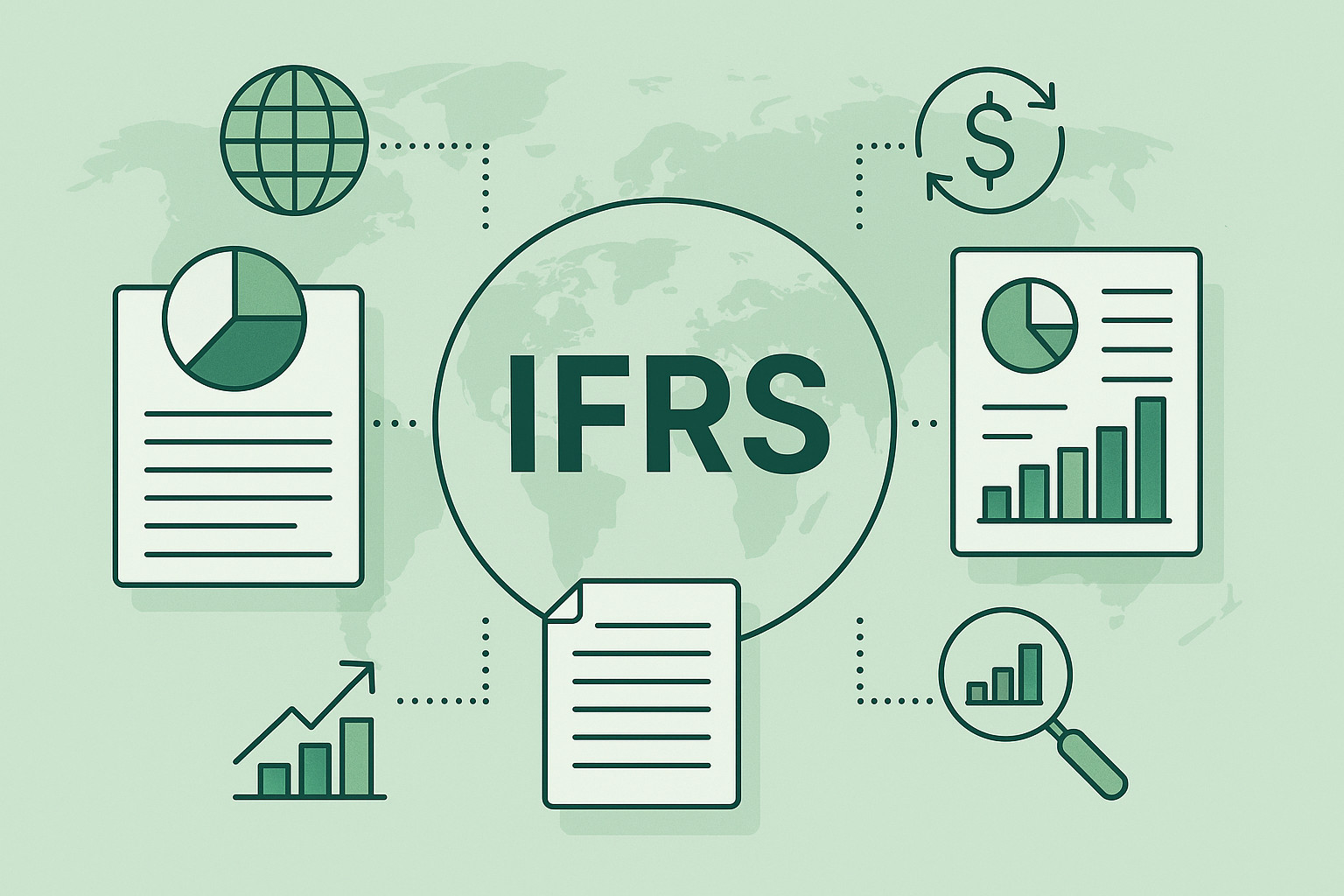
    Financial reporting plays a critical role in ensuring transparency, accountability, and trust in global business. As companies expand across borders and investors operate internationally, the need for a common accounting language becomes increasingly important. International Financial Reporting Standards (IFRS) were developed to meet this need by providing a globally accepted framework for preparing financial statements.

    Today, IFRS is used in more than 140 jurisdictions, making it one of the most influential accounting standards in the world. This article provides a comprehensive overview of IFRS, including its history, objectives, structure, key standards, benefits, and practical challenges.


    What Is IFRS?

    International Financial Reporting Standards (IFRS) are a set of accounting standards designed to ensure consistency, transparency, and comparability in financial reporting across countries. IFRS governs how financial statements are prepared and presented, including the recognition, measurement, presentation, and disclosure of financial transactions.

    IFRS is developed and issued by the International Accounting Standards Board (IASB), an independent standard-setting body based in London.


    A Brief History of IFRS

    Early Development

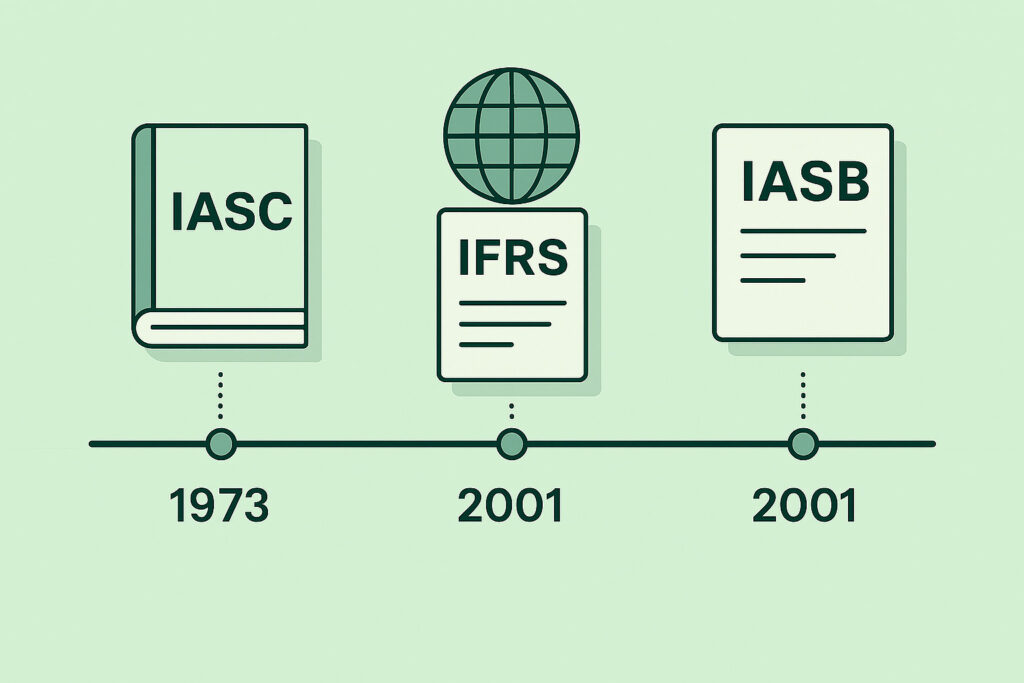
    • 1973: The International Accounting Standards Committee (IASC) was formed to develop global accounting standards.
    • 1973–2001: The IASC issued International Accounting Standards (IAS).

    Formation of IASB

    • 2001: The IASC was restructured into the International Accounting Standards Board (IASB).
    • From this point onward, new standards were issued as IFRS, while existing IAS standards continued to apply unless replaced.

    Global Adoption

    • 2005: The European Union required all listed companies to adopt IFRS.
    • Since then, many countries across Asia, Africa, and the Americas have either adopted IFRS fully or aligned local standards closely with it.

    Objectives of IFRS

    The main objectives of IFRS are to:

    • Provide high-quality, transparent, and comparable financial information
    • Improve investor confidence and decision-making
    • Reduce the cost of capital by improving financial statement reliability
    • Promote consistency in global financial reporting
    • Support efficient functioning of international capital markets

    Who Uses IFRS?

    IFRS is commonly used by:

    • Publicly listed companies outside the United States
    • Multinational corporations
    • Financial institutions
    • Investors and analysts evaluating cross-border investments
    • Subsidiaries of global groups preparing consolidated accounts

    Some countries require IFRS for all companies, while others limit its use to listed entities.


    Key Components of IFRS Financial Statements

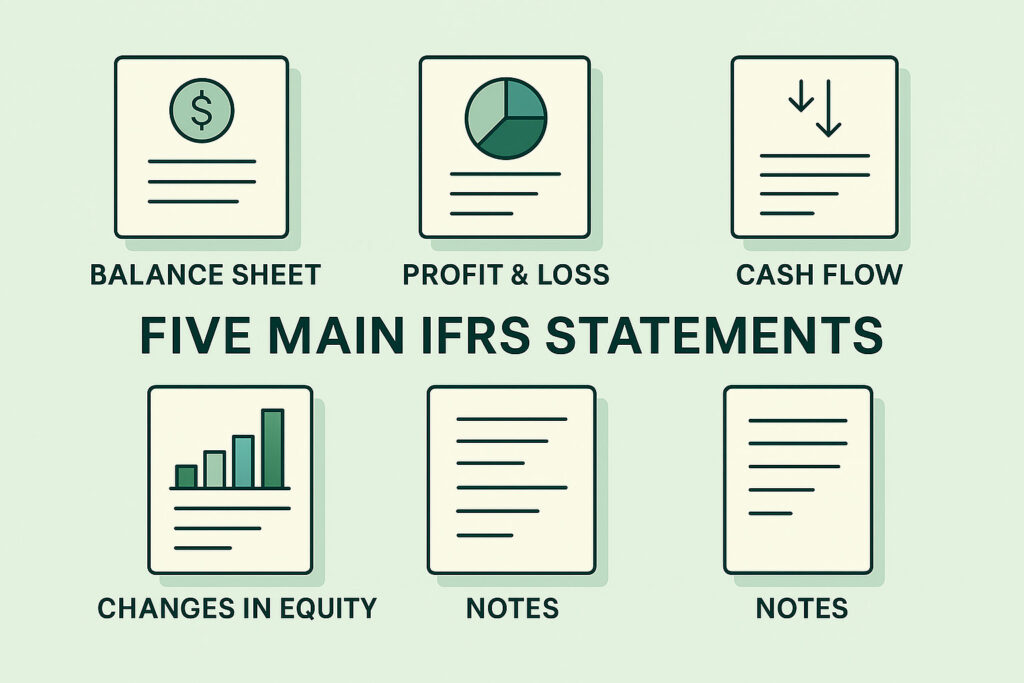
    Under IFRS, a complete set of financial statements typically includes:

    • Statement of Financial Position
    • Statement of Profit or Loss and Other Comprehensive Income
    • Statement of Changes in Equity
    • Statement of Cash Flows
    • Notes to the Financial Statements

    These statements collectively provide a comprehensive view of an entity’s financial performance and position.


    Principles-Based Approach of IFRS

    IFRS follows a principles-based approach rather than a rules-based one. This means:

    • Standards focus on underlying economic substance
    • Professional judgment is emphasized
    • Less prescriptive guidance compared to some national standards

    This approach allows IFRS to be applied flexibly across different industries and jurisdictions.


    Major IFRS Standards Explained

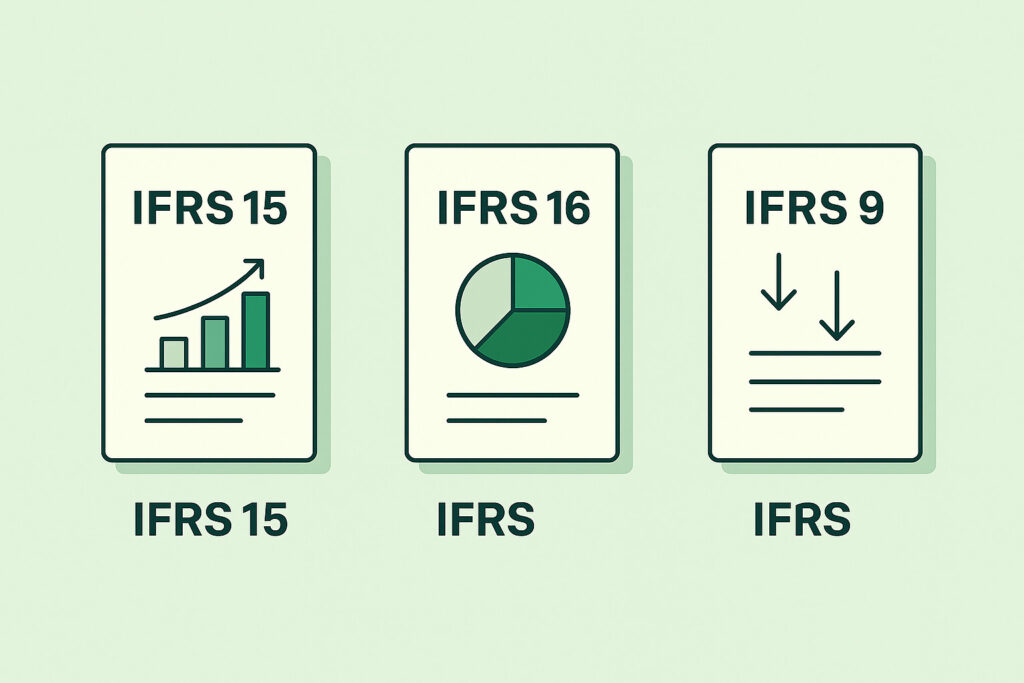
    IFRS 15 – Revenue from Contracts with Customers

    Provides a five-step model for revenue recognition, focusing on performance obligations and transfer of control.

    IFRS 16 – Leases

    Requires lessees to recognize most leases on the balance sheet, increasing transparency of lease obligations.

    IFRS 9 – Financial Instruments

    Covers classification, measurement, impairment, and hedge accounting of financial instruments.

    IAS 1 – Presentation of Financial Statements

    Sets out overall requirements for financial statement presentation and minimum disclosure requirements.

    IAS 36 – Impairment of Assets

    Ensures assets are not carried at more than their recoverable amounts.


    Advantages of IFRS

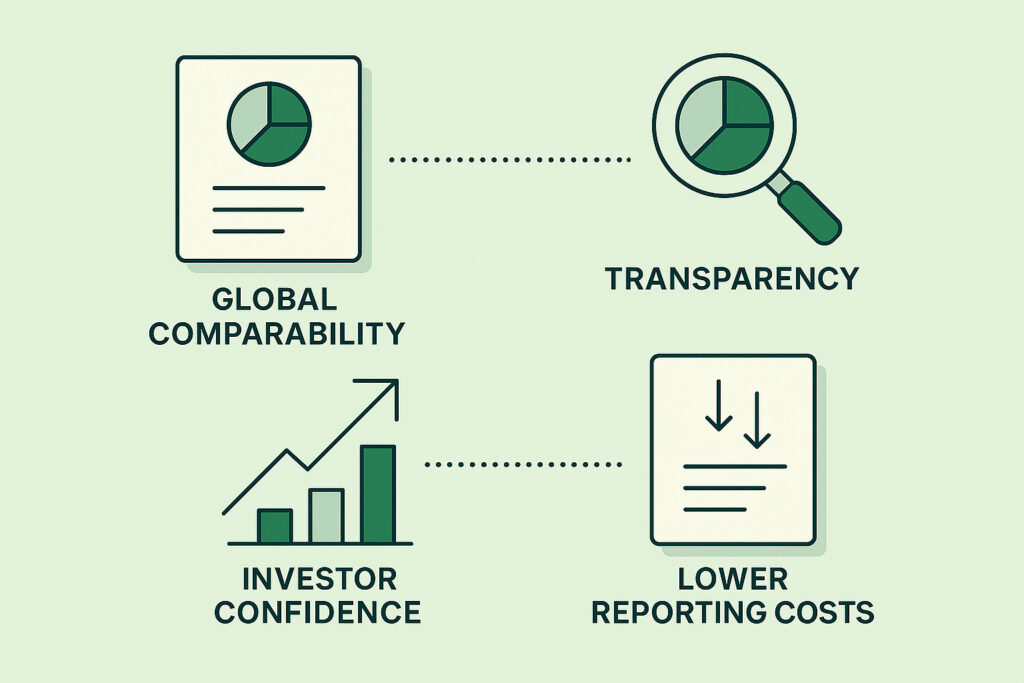
    Global Comparability

    Financial statements prepared under IFRS can be compared across borders, improving investor analysis.

    Improved Transparency

    IFRS emphasizes disclosure and fair presentation of financial information.

    Lower Reporting Costs

    Multinational companies can use a single accounting framework for group reporting.

    Investor Confidence

    Consistent reporting enhances trust and credibility in financial markets.


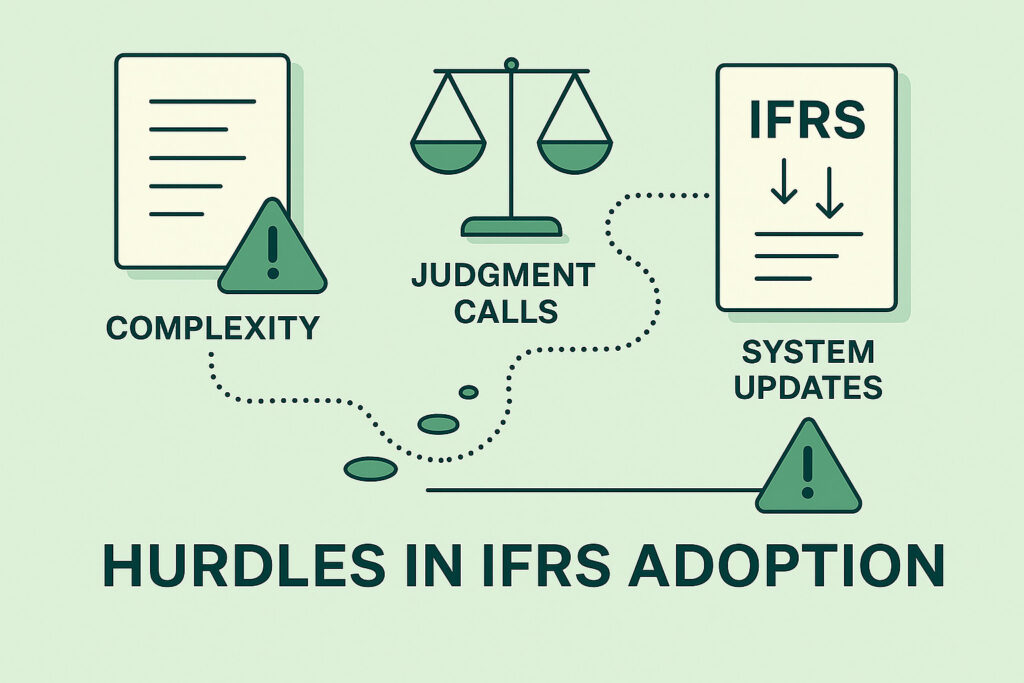
    Challenges of IFRS Adoption

    Complexity

    Some standards, such as financial instruments and leases, are technically complex.

    Judgment-Heavy

    The principles-based nature requires skilled professionals and strong internal controls.

    Transition Costs

    Initial adoption can involve system changes, training, and restatement of financial data.


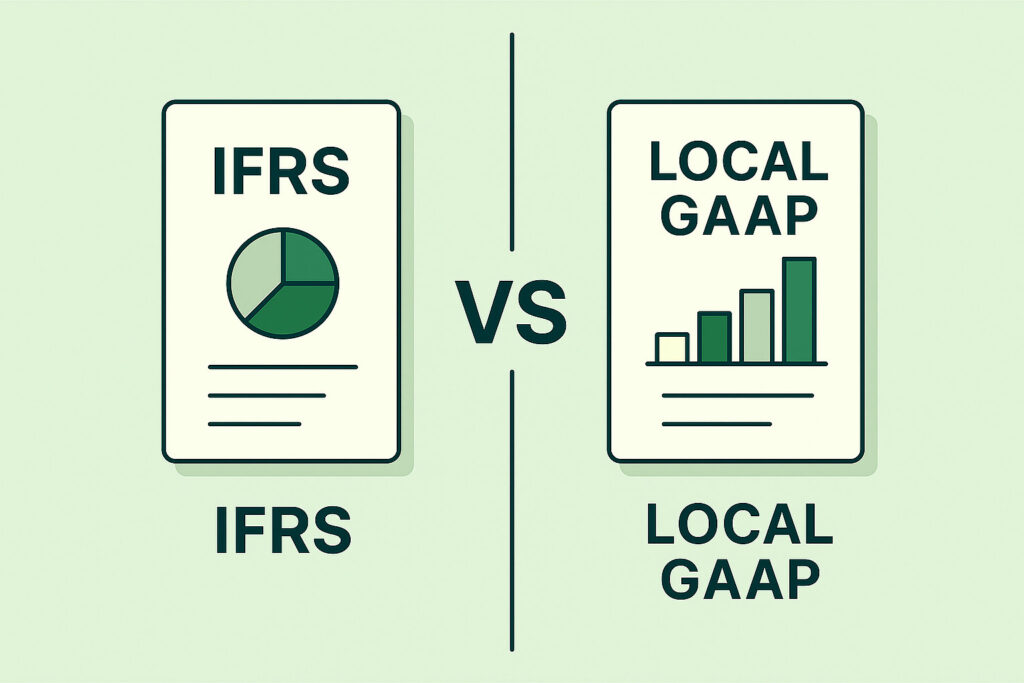
    IFRS vs Local Accounting Standards

    Many countries maintain local GAAP frameworks that are partially or fully aligned with IFRS. While IFRS promotes global consistency, differences may still exist due to:

    • Local legal requirements
    • Tax regulations
    • Economic environments

    Companies often need reconciliation when transitioning between IFRS and local standards.


    IFRS and the Future of Financial Reporting

    IFRS continues to evolve in response to emerging business models, digital assets, sustainability reporting, and global economic changes. The IASB actively updates standards to reflect modern financial realities, ensuring IFRS remains relevant and reliable.


    Conclusion

    IFRS has transformed global financial reporting by creating a common accounting language for businesses worldwide. Its principles-based approach, global acceptance, and focus on transparency make it a cornerstone of modern financial reporting.

    For companies operating internationally, understanding IFRS is not optional—it is essential for compliance, investor confidence, and long-term success.
  • The Ins and Outs of Intercompany Eliminations: A Deep Dive for Financial Professionals

    The Ins and Outs of Intercompany Eliminations: A Deep Dive for Financial Professionals

    For businesses with multiple subsidiaries or divisions, preparing consolidated financial statements is a critical What Are Intercompany Eliminations?

    Intercompany eliminations refer to the process of removing transactions between entities within the same corporate group from consolidated financial statements.

    These transactions can include:

    • Intercompany sales or purchases
    • Loans and interest payments between subsidiaries
    • Dividends paid from one subsidiary to another
    • Management fees or service charges

    Without eliminating these transactions, the consolidated financial statements would overstate revenues, expenses, assets, or liabilities, giving a distorted view of the group’s financial health.


    Why Intercompany Eliminations Matter

    1. Accuracy of Consolidated Financial Statements
      Eliminating intercompany transactions ensures that the consolidated statements reflect only external transactions, giving stakeholders an accurate picture of the group’s financial position and performance.
    2. Regulatory Compliance
      Accounting standards such as IFRS and US GAAP require proper consolidation and elimination of intercompany transactions to prevent misleading reporting.
    3. Avoid Double Counting
      Without eliminations, internal profits and balances could be counted twice, inflating figures such as revenue or receivables.
    4. Better Decision-Making
      Management, investors, and lenders rely on accurate consolidated statements for strategic and operational decisions.

    Key Areas of Intercompany Eliminations

    1. Intercompany Sales and Purchases

    When one subsidiary sells goods or services to another, the revenue recorded by the seller and the expense recorded by the buyer must be eliminated in consolidation.

    Example:

    • Subsidiary A sells $50,000 of goods to Subsidiary B.
    • Subsidiary A records $50,000 as revenue, and Subsidiary B records $50,000 as inventory.
    • For consolidation, both the revenue and expense are eliminated to avoid overstating revenue and inventory.

    2. Intercompany Loans and Interest

    Loans between group companies create intercompany balances. Interest on these loans must also be eliminated:

    • The lender records interest income.
    • The borrower records interest expense.
    • Both amounts must be eliminated in the consolidated income statement to avoid artificial inflation of profits.

    3. Intercompany Dividends

    Dividends paid from one group entity to another are not considered external income. They are removed from consolidation to ensure equity and retained earnings are reported correctly.


    4. Intercompany Management Fees or Services

    If a parent company charges a subsidiary for administrative or management services:

    • Fees are recorded as income for the parent and expense for the subsidiary.
    • For consolidation, these entries are eliminated to reflect only external financial performance.

    Steps for Performing Intercompany Eliminations

    1. Identify Intercompany Transactions
      Maintain a detailed record of all transactions between subsidiaries, including sales, loans, and fees.
    2. Match Debits and Credits
      Ensure the intercompany accounts on both sides of the transaction match.
    3. Eliminate in Consolidation Entries
      Use journal entries to remove intercompany transactions from the consolidated books.
    4. Adjust for Unrealized Profits
      If one subsidiary sells inventory to another at a profit and the inventory remains unsold at period-end, eliminate the unrealized profit to avoid inflating consolidated net income.
    5. Review and Reconcile
      After elimination entries, review the consolidated financial statements to ensure that assets, liabilities, revenues, and expenses accurately reflect external transactions only.

    Challenges and Best Practices

    Challenges

    • Volume and Complexity: Large groups may have thousands of intercompany transactions.
    • Timing Differences: Different accounting periods for subsidiaries can complicate eliminations.
    • Currency Differences: Foreign subsidiaries may require translation adjustments.

    Best Practices

    • Use consolidation software or ERP systems to automate eliminations.
    • Maintain a centralized intercompany ledger for transparency and ease of reconciliation.
    • Perform regular reconciliations to prevent discrepancies.
    • Document policies and procedures for consistency and compliance.

    Final Thoughts

    Intercompany eliminations are an essential part of preparing accurate consolidated financial statements. While they may seem complex, understanding their principles and implementing systematic procedures ensures compliance, accuracy, and transparency. For financial professionals, mastering intercompany eliminations is not just a technical requirement—it’s a key skill for reliable reporting and informed decision-making.

  • Unveiling the Materiality Concept in Reporting: A Comprehensive Guide for Accounting Students

    Unveiling the Materiality Concept in Reporting: A Comprehensive Guide for Accounting Students

    Imagine you’re an accounting student, staring at a mountain of financial data. You’re tasked with preparing a report, but you’re overwhelmed by the sheer volume of information. How do you decide what’s important and what can be left out? This is where the materiality concept in reporting comes into play. Understanding this concept is crucial for making informed decisions and presenting accurate financial information. Let’s dive deep into the materiality concept, exploring its significance, applications, and practical implications for accounting students.

    What is the Materiality Concept?

    What is the Materiality Concept?

    The materiality concept is a fundamental principle in accounting and financial reporting. It refers to the importance of an item or event in the context of financial statements. In simpler terms, it helps determine whether an item is significant enough to influence the decisions of users of financial statements. The concept is rooted in the idea that not all financial information is equally important. Some details may have a substantial impact on financial decisions, while others may be negligible.

    To illustrate this, consider a company with annual revenues of $100 million. A $10,000 expense might be considered immaterial because it represents only a tiny fraction of the total revenue. However, a $1 million expense would be considered material, as it significantly affects the company’s financial position and performance.

    The Significance of Materiality in Financial Reporting

    The Significance of Materiality in Financial Reporting

    The materiality concept plays a pivotal role in financial reporting for several reasons:

    • Decision-Making: Users of financial statements, such as investors, creditors, and regulators, rely on these documents to make informed decisions. Materiality ensures that the information presented is relevant and significant, allowing users to assess the company’s financial health accurately.
    • Resource Allocation: Preparing financial statements is a resource-intensive process. By focusing on material items, companies can allocate their resources more efficiently, ensuring that significant information is accurately reported while minimizing the effort spent on trivial details.

    • Compliance and Transparency: Adherence to the materiality concept enhances the transparency and reliability of financial reporting. It ensures that financial statements provide a true and fair view of the company’s financial position, fostering trust among stakeholders.

    Determining Materiality: Quantitative and Qualitative Factors

    Determining Materiality: Quantitative and Qualitative Factors

    Determining whether an item is material involves both quantitative and qualitative assessments. Let’s explore these factors in detail:

    Quantitative Factors

    Quantitative factors involve numerical thresholds to assess materiality. Common quantitative benchmarks include:

    • Percentage of Total Assets or Revenues: An item may be considered material if it exceeds a certain percentage of the company’s total assets or revenues. For example, an expense exceeding 5% of total revenues might be deemed material.
    • Absolute Amount: Certain items, regardless of their relative size, may be considered material due to their absolute amount. For instance, a $1 million fraud might be material even if it represents a small percentage of total revenues.
    • Trend Analysis: Significant changes in financial trends may indicate materiality. For example, a sudden drop in profit margins might be material, even if the absolute amount is small.

    Qualitative Factors

    Qualitative factors consider the nature and context of an item, going beyond mere numbers. These factors include:

    • Nature of the Item: Certain items may be inherently material due to their nature. For example, a lawsuit with potential significant financial implications would be considered material, regardless of its size.
    • Regulatory Requirements: Items that have specific regulatory implications may be deemed material. For instance, compliance with environmental regulations might be material due to potential fines and reputational risks.
    • Impact on Stakeholders: The potential impact of an item on stakeholders, such as investors, creditors, and employees, is a crucial qualitative factor. An item that could significantly affect stakeholders’ decisions would be considered material.

    Applying the Materiality Concept in Practice

    Applying the Materiality Concept in Practice

    Now that we understand the significance and factors of materiality, let’s explore how this concept is applied in real-world financial reporting. We’ll look at various scenarios and practical examples to illustrate its application.

    Scenario 1: Revenue Recognition

    Consider a software company that recognizes revenue when it delivers its products to customers. The company has annual revenues of $50 million. During the year, the company identifies a $50,000 revenue recognition error due to a misclassification of a transaction. The error represents 0.1% of total revenues.

    In this scenario, the $50,000 error might be considered immaterial. The quantitative threshold (0.1% of total revenues) is below the commonly accepted materiality benchmark (often around 5%). Additionally, the qualitative factors suggest that the error is unlikely to significantly impact stakeholders’ decisions. Therefore, the company may choose to correct the error in the following period rather than restate the current financial statements.

    Scenario 2: Contingent Liabilities

    A manufacturing company faces a potential lawsuit related to product liability. The lawsuit seeks damages of $2 million. The company’s annual revenues are $200 million.

    In this case, the $2 million lawsuit would be considered material. Although it represents only 1% of total revenues, the qualitative factors indicate significant potential impact. The lawsuit could result in substantial financial penalties, damage the company’s reputation, and affect stakeholders’ confidence. Therefore, the company must disclose the contingent liability in its financial statements, providing detailed information about the nature and potential financial impact of the lawsuit.

    Scenario 3: Related-Party Transactions

    A retail company enters into a transaction with a related party (e.g., a subsidiary or a key shareholder). The transaction involves the purchase of inventory worth $1 million. The company’s annual revenues are $100 million.

    Related-party transactions are often considered material due to their potential impact on the company’s financial position and performance. Even though the $1 million transaction represents only 1% of total revenues, the qualitative factors suggest that it may be material. Related-party transactions can raise concerns about conflicts of interest, arm’s-length pricing, and the accuracy of financial reporting. Therefore, the company must disclose the related-party transaction in its financial statements, providing details about the nature, terms, and financial impact of the transaction.

    Challenges in Applying the Materiality Concept

    Challenges in Applying the Materiality Concept

    While the materiality concept is essential for accurate financial reporting, applying it in practice can be challenging. Let’s explore some of the common challenges and considerations:

    Subjectivity in Assessment

    Determining materiality involves a degree of subjectivity. Different accountants and auditors may have varying opinions on what constitutes a material item. This subjectivity can lead to inconsistencies in financial reporting, making it challenging to compare financial statements across companies.

    To mitigate this challenge, companies often establish materiality thresholds and guidelines. These thresholds provide a framework for assessing materiality, ensuring consistency in financial reporting. Additionally, companies may seek guidance from accounting standards and regulatory bodies to ensure compliance with established materiality principles.

    Evolving Business Environment

    The business environment is constantly evolving, with new technologies, regulations, and market dynamics emerging. These changes can impact the materiality of certain items. For example, a company operating in a highly regulated industry may face new compliance requirements that significantly affect its financial reporting.

    To address this challenge, companies must stay abreast of industry trends and regulatory changes. Regular reviews of materiality thresholds and guidelines can help ensure that financial reporting remains relevant and accurate in a changing business environment.

    Complex Transactions and Structures

    Modern businesses often engage in complex transactions and structures, such as mergers, acquisitions, and joint ventures. These transactions can introduce new risks and uncertainties, making it challenging to assess materiality.

    To navigate this challenge, companies must conduct thorough due diligence and risk assessments. Engaging experienced professionals, such as accountants and legal advisors, can help identify potential material items and ensure accurate

  • Deferred Tax Liability: Unraveling the Mysteries for Financial Professionals

    Deferred Tax Liability: Unraveling the Mysteries for Financial Professionals

    Imagine you’re a financial professional, meticulously balancing the books for your company. You’ve got your revenue, expenses, assets, and liabilities all neatly organized. But then, you stumble upon a term that sounds like a riddle wrapped in an enigma-Deferred Tax Liability. What is it? Why should you care? And how does it impact your financial reporting? Let’s dive into this intricate yet crucial aspect of accounting and financial reporting.

    What is Deferred Tax Liability?

    What is Deferred Tax Liability?

    Deferred Tax Liability (DTL) is a balance sheet item that arises when a company’s taxable income differs from its financial income. This discrepancy often occurs due to differences in the timing of when revenues and expenses are recognized for tax purposes versus financial reporting purposes. Essentially, DTL represents taxes that a company will pay in the future, typically due to temporary differences between the carrying amounts of assets and liabilities for financial reporting purposes and the amounts used for tax purposes.

    To put it simply, if a company reports higher income on its financial statements than on its tax returns, it will eventually have to pay more taxes. The difference is recorded as a Deferred Tax Liability. This liability is not a current obligation but rather a future one, which is why it appears on the balance sheet.

    The Mechanics of Deferred Tax Liability

    The Mechanics of Deferred Tax Liability

    Understanding the mechanics of DTL requires a grasp of temporary differences. Temporary differences are the discrepancies between the book value of an asset or liability and its tax base. These differences can arise from various sources, such as depreciation methods, revenue recognition, and warranty expenses.

    Example: Depreciation

    Let’s consider a practical example involving depreciation. Suppose a company purchases equipment worth $100,000. For financial reporting, the company uses straight-line depreciation over 10 years, resulting in an annual depreciation expense of $10,000. However, for tax purposes, the company opts for accelerated depreciation, which allows it to deduct $20,000 in the first year.

    In the first year, the company’s financial income will be $10,000 higher than its taxable income because it deducted less depreciation on its financial statements than on its tax return. This $10,000 difference will reverse in future years as the company continues to depreciate the asset. The $10,000 is recorded as a Deferred Tax Liability because the company will eventually have to pay taxes on this amount when the temporary difference reverses.

    Example: Revenue Recognition

    Another common source of temporary differences is revenue recognition. Suppose a company receives $100,000 in advance for services to be provided over the next two years. For financial reporting, the company recognizes revenue ratably over the two years, recording $50,000 in revenue each year. However, for tax purposes, the company may be required to recognize the entire $100,000 in the year it was received.

    In this scenario, the company’s taxable income will be $50,000 higher than its financial income in the first year. This $50,000 difference will reverse in the second year when the company recognizes the remaining $50,000 of revenue for financial reporting purposes. The $50,000 is recorded as a Deferred Tax Liability because the company will eventually have to pay taxes on this amount when the temporary difference reverses.

    Recording Deferred Tax Liability

    Recording Deferred Tax Liability

    The process of recording Deferred Tax Liability involves several steps. First, identify the temporary differences between the book values and tax bases of assets and liabilities. Next, calculate the tax effect of these differences by applying the applicable tax rate. Finally, record the Deferred Tax Liability on the balance sheet.

    Step-by-Step Example

    Let’s walk through a step-by-step example to illustrate the process. Assume a company has the following temporary differences at the end of the year:

    • Accelerated depreciation: $10,000
    • Unearned revenue: $50,000

    The company’s tax rate is 30%. To calculate the Deferred Tax Liability, multiply each temporary difference by the tax rate:

    • Accelerated depreciation: $10,000 x 30% = $3,000
    • Unearned revenue: $50,000 x 30% = $15,000

    The total Deferred Tax Liability is $3,000 + $15,000 = $18,000. The company records this amount as a liability on its balance sheet.

    Impact on Financial Statements

    Impact on Financial Statements

    Deferred Tax Liability has a significant impact on a company’s financial statements. On the balance sheet, DTL is reported as a non-current liability. On the income statement, the recognition of DTL affects the tax expense. Understanding these impacts is crucial for financial professionals to accurately interpret and analyze financial statements.


    Balance Sheet Impact

    On the balance sheet, Deferred Tax Liability is reported as a non-current liability because it represents taxes that will be paid in the future. This classification helps users of financial statements understand the company’s long-term tax obligations.

    For example, if a company has a Deferred Tax Liability of $18,000, this amount will be reported under non-current liabilities on the balance sheet. This disclosure provides transparency and helps stakeholders assess the company’s financial position.

    Income Statement Impact

    On the income statement, the recognition of Deferred Tax Liability affects the tax expense. When a company records a Deferred Tax Liability, it increases the tax expense for the current period. This increase reflects the future tax payments that the company will incur due to the temporary differences.

    For example, if a company records a Deferred Tax Liability of $18,000, this amount will be added to the current period’s tax expense. The increased tax expense reduces the company’s net income for the period, providing a more accurate representation of its financial performance.

    Practical Insights for Financial Professionals

    Practical Insights for Financial Professionals

    Deferred tax liabilities (DTLs) are more than just accounting entries—they are strategic indicators of timing differences between tax and accounting recognition. Financial professionals should approach DTLs with both vigilance and foresight:

    1. Monitor Temporary Differences Carefully – Regularly track timing differences between book and tax values, especially for depreciation, amortization, and revaluation adjustments, to anticipate DTL changes.
    2. Plan for Future Cash Flows – While DTLs do not require immediate cash payment, they signal potential future tax obligations. Understanding them helps in forecasting cash flow needs and managing liquidity.
    3. Coordinate with Tax Planning – Align DTL management with overall tax strategies. Consider whether accelerating deductions or deferrals can optimize financial outcomes without violating accounting standards.
    4. Maintain Transparent Reporting – Accurate disclosure of DTLs ensures stakeholders have a clear view of potential obligations, reinforcing credibility and compliance with IFRS or GAAP.
    5. Leverage Technology – Use accounting systems to automate the calculation and monitoring of DTLs. This minimizes errors and provides real-time insight into the impact of new transactions on deferred taxes.

    By integrating these practices, financial professionals can transform the management of deferred tax liabilities from a routine compliance task into a tool for informed strategic decision-making.


    Conclusion

    Deferred tax liabilities may seem complex, but understanding their mechanics and implications is essential for sound financial reporting. They bridge the gap between accounting profits and taxable income, offering insights into timing differences that affect both reporting and cash flow planning. By carefully recording, monitoring, and analyzing DTLs, financial professionals can ensure accurate reporting, support effective tax planning, and provide stakeholders with transparency that strengthens confidence. Mastery of deferred tax liabilities ultimately empowers organizations to navigate tax complexities while maintaining financial integrity and strategic foresight.

  • Demystifying Consolidation Adjustment: A Comprehensive Guide for Accounting Professionals

    Demystifying Consolidation Adjustment: A Comprehensive Guide for Accounting Professionals

    Imagine you’re an accountant at a multinational corporation. Your job is to ensure that the financial statements of various subsidiaries are accurately consolidated into a single, cohesive report. Suddenly, you encounter a term that seems to complicate your task: “consolidation adjustment.” What does it mean, and how do you handle it? This article aims to unravel the intricacies of consolidation adjustments, providing you with a thorough understanding and practical insights to navigate this complex area of financial reporting.

    What is Consolidation Adjustment?

    What is Consolidation Adjustment?

    Consolidation adjustment refers to the process of making necessary changes to the financial statements of subsidiaries to ensure they align with the parent company’s reporting requirements. This process is crucial in preparing consolidated financial statements, which provide a comprehensive view of the entire corporate entity. Consolidation adjustments are needed to eliminate intercompany transactions, align accounting policies, and ensure that the financial statements reflect the economic reality of the group as a whole.

    In essence, consolidation adjustments are the glue that holds the financial statements of a parent company and its subsidiaries together. Without these adjustments, the consolidated financial statements would be misleading, as they would include transactions that do not reflect the true financial position and performance of the group.

    The Importance of Consolidation Adjustments

    The Importance of Consolidation Adjustments

    The importance of consolidation adjustments cannot be overstated. They ensure that the financial statements of a group present a true and fair view of its financial position, performance, and cash flows. Here are some key reasons why consolidation adjustments are essential:

    1. Elimination of Intercompany Transactions

    One of the primary purposes of consolidation adjustments is to eliminate intercompany transactions. When subsidiaries within a group engage in transactions with each other, these transactions can distort the financial statements if not properly accounted for. For example, if Subsidiary A sells goods to Subsidiary B, the revenue recognized by Subsidiary A and the expense recognized by Subsidiary B must be eliminated in the consolidated financial statements to avoid double-counting.

    Consider a scenario where Subsidiary A sells inventory to Subsidiary B for $100,000. Subsidiary A records this as revenue, while Subsidiary B records it as an expense. In the consolidated financial statements, this intercompany sale must be eliminated to present an accurate picture of the group’s external sales and expenses.

    2. Alignment of Accounting Policies

    Subsidiaries within a group may use different accounting policies. Consolidation adjustments are necessary to align these policies and ensure consistency across the financial statements. For instance, if one subsidiary uses the FIFO (First-In, First-Out) method for inventory valuation while another uses LIFO (Last-In, First-Out), adjustments must be made to present a uniform accounting policy in the consolidated financial statements.

    Aligning accounting policies is crucial for comparability and transparency. It allows stakeholders to make informed decisions based on consistent and reliable financial information.

    3. Reflecting the Economic Reality of the Group

    Consolidation adjustments help reflect the economic reality of the group as a single economic entity. This is particularly important for stakeholders who rely on the consolidated financial statements to assess the group’s financial health. By making the necessary adjustments, the financial statements provide a clearer picture of the group’s overall performance and financial position.

    For example, if a parent company provides financial support to a subsidiary, such as loans or guarantees, these transactions must be properly accounted for in the consolidated financial statements to reflect the true economic relationship between the entities.

    Common Types of Consolidation Adjustments

    Common Types of Consolidation Adjustments

    Several types of consolidation adjustments are commonly made to ensure the accuracy and reliability of consolidated financial statements. Here are some of the most frequent adjustments:

    1. Elimination of Intercompany Sales and Purchases

    As mentioned earlier, intercompany sales and purchases must be eliminated to avoid double-counting. This adjustment ensures that the consolidated financial statements reflect only the group’s external transactions.

    For instance, if Subsidiary A sells goods to Subsidiary B for $500,000 and Subsidiary B sells goods to Subsidiary A for $300,000, the net intercompany sales of $200,000 ($500,000 – $300,000) must be eliminated in the consolidated financial statements.

    2. Elimination of Intercompany Profits

    When subsidiaries within a group engage in transactions that result in unrealized profits, these profits must be eliminated in the consolidated financial statements. Unrealized profits arise when goods are sold between subsidiaries, and the inventory is still held by the purchasing subsidiary at the end of the reporting period.

    For example, if Subsidiary A sells inventory to Subsidiary B for $100,000, and Subsidiary B still holds this inventory at the end of the year, the unrealized profit must be eliminated to prevent overstatement of the group’s profit.

    3. Alignment of Accounting Policies

    As previously discussed, subsidiaries may use different accounting policies. Consolidation adjustments are made to align these policies and ensure consistency across the financial statements. This may involve reclassifying items, adjusting depreciation methods, or changing revenue recognition policies.

    For instance, if one subsidiary uses the straight-line method for depreciation while another uses the declining balance method, adjustments must be made to present a uniform depreciation policy in the consolidated financial statements.

    4. Elimination of Intercompany Dividends

    Dividends paid between subsidiaries within a group must be eliminated in the consolidated financial statements. These dividends do not represent external cash flows and should not be included in the group’s consolidated financial position or performance.

    For example, if Subsidiary A pays a dividend of $50,000 to Subsidiary B, this dividend must be eliminated in the consolidated financial statements to avoid misrepresenting the group’s cash flows.

    5. Adjustments for Foreign Currency Translation

    When subsidiaries operate in different countries, their financial statements are typically prepared in their local currencies. Consolidation adjustments are necessary to translate these financial statements into a common currency, usually the parent company’s functional currency.

    For instance, if a subsidiary in Europe reports its financial statements in euros, these statements must be translated into the parent company’s functional currency, such as the US dollar, using the appropriate exchange rates. Any resulting translation adjustments must be accounted for in the consolidated financial statements.

    Step-by-Step Guide to Making Consolidation Adjustments

    Step-by-Step Guide to Making Consolidation Adjustments

    Making consolidation adjustments can seem daunting, but following a structured approach ensures accuracy and compliance:

    1. Identify Intra-Group Transactions – Review all transactions between parent and subsidiaries, such as sales, loans, or dividends, that need elimination during consolidation.
    2. Determine the Adjustment Type – Classify adjustments based on their nature: intra-group profit elimination, unrealized gains/losses, intercompany balances, or equity adjustments.
    3. Calculate the Required Adjustment Amount – Quantify the impact of each adjustment. For example, compute unrealized profit in inventory or eliminate intercompany receivables/payables.
    4. Record the Adjustment Entries – Prepare journal entries in the consolidation worksheet to reflect the necessary eliminations and corrections. Ensure proper documentation for audit purposes.
    5. Review Impact on Financial Statements – Analyze how each adjustment affects the consolidated balance sheet, income statement, and cash flows. Verify that retained earnings and equity balances are accurately represented.
    6. Validate and Reconcile – Cross-check consolidated figures with individual subsidiary accounts to ensure consistency and eliminate discrepancies.
    7. Document and Disclose – Maintain detailed records of all consolidation adjustments, and disclose key adjustments in the financial statements as required by accounting standards.

    Following this step-by-step method reduces errors, enhances transparency, and ensures that consolidated financial statements present a true and fair view.


    Conclusion

    Consolidation adjustments are essential for producing accurate and meaningful consolidated financial statements. They eliminate distortions caused by intra-group transactions, align reporting with accounting standards, and provide stakeholders with a clear view of the group’s financial position. By systematically identifying, calculating, and recording adjustments, accounting professionals not only ensure compliance but also strengthen the credibility and reliability of financial reporting. Mastery of consolidation adjustments transforms complex group data into transparent and actionable financial insights.

  • Impairment Reversal: A Comprehensive Guide for Accounting Professionals

    Impairment Reversal: A Comprehensive Guide for Accounting Professionals

    Imagine a scenario where a company writes down the value of its assets due to a decline in market conditions. Fast forward a few years, and the market recovers, leading to an increase in the asset’s value. What happens next? This is where the concept of “Impairment Reversal” comes into play. In this detailed guide, we will explore the intricacies of impairment reversal, its implications, and the steps involved in recognizing it. Whether you’re a seasoned accountant or a financial professional looking to deepen your understanding, this article will provide you with the insights you need.

    Understanding Impairment Reversal

    Understanding Impairment Reversal

    Impairment reversal is a critical concept in accounting, particularly under International Financial Reporting Standards (IFRS) and Generally Accepted Accounting Principles (GAAP). It refers to the process of reversing a previously recognized impairment loss when there is an indication that the asset’s value has increased. This reversal can significantly impact a company’s financial statements, affecting both the balance sheet and the income statement.

    To grasp the concept fully, let’s break it down. An impairment occurs when the carrying amount of an asset exceeds its recoverable amount. The recoverable amount is the higher of an asset’s fair value less costs to sell and its value in use. When market conditions improve, and the asset’s value increases, the previously recognized impairment loss may need to be reversed.

    The Importance of Impairment Reversal

    Recognizing an impairment reversal is crucial for several reasons. Firstly, it ensures that the financial statements reflect the true economic value of the assets. This transparency is vital for stakeholders, including investors, creditors, and regulatory bodies. Secondly, it can have a positive impact on a company’s profitability, as the reversal is recognized in the income statement, potentially leading to higher reported earnings.

    However, it’s essential to approach impairment reversal with caution. The process involves complex judgments and estimates, and improper recognition can lead to misleading financial statements. Therefore, understanding the criteria and procedures for impairment reversal is paramount for accounting professionals.

    Criteria for Recognizing Impairment Reversal

    Criteria for Recognizing Impairment Reversal

    Under IFRS, specifically IAS 36, there are specific criteria that must be met before an impairment reversal can be recognized. These criteria ensure that the reversal is based on objective evidence and not merely on optimistic assumptions. Let’s delve into these criteria in detail.

    1. External and Internal Sources of Information

    An impairment reversal should only be recognized if there is clear evidence from external or internal sources that the recoverable amount of the asset has increased. External sources may include changes in market conditions, interest rates, or foreign exchange rates. Internal sources may include improvements in the asset’s performance or changes in the company’s strategic direction.

    For example, if a company previously impaired an asset due to a decline in market demand, an impairment reversal may be considered if there is a subsequent increase in demand, supported by market data and sales forecasts.

    2. Reversal of Cash-Generating Unit Impairment

    If the asset is part of a cash-generating unit (CGU), the impairment reversal should be allocated to the assets of the CGU pro-rata, based on their carrying amounts. However, the reversal for an individual asset within the CGU should not exceed the carrying amount that would have been determined (net of amortization or depreciation) had no impairment loss been recognized for the asset in prior years.

    This criterion ensures that the reversal is fair and does not result in the asset being carried at an amount higher than what it would have been if no impairment had occurred.

    3. Goodwill Impairment Reversal

    Unlike other assets, goodwill cannot be reversed once it has been impaired. This restriction is due to the nature of goodwill as an intangible asset representing the excess of the purchase price over the fair value of identifiable net assets acquired in a business combination. Once impaired, goodwill remains at the reduced carrying amount.

    This distinction highlights the importance of careful consideration when assessing impairment and the need for ongoing monitoring of goodwill for potential impairments.

    Steps to Recognize an Impairment Reversal

    Steps to Recognize an Impairment Reversal

    Recognizing an impairment reversal involves a systematic approach to ensure accuracy and compliance with accounting standards. Here are the steps accounting professionals should follow:

    1. Identify Indicators of Reversal

    The first step is to identify indicators that suggest an impairment reversal may be necessary. These indicators can be external, such as changes in market conditions, or internal, such as improvements in the asset’s performance. Regular monitoring of assets and their recoverable amounts is crucial to identify these indicators promptly.

    For instance, if a company operates in a cyclical industry, it should be vigilant about changes in economic conditions that may affect the asset’s value. Similarly, internal improvements, such as increased efficiency or new product launches, should be considered.

    2. Estimate the Recoverable Amount

    Once indicators of reversal are identified, the next step is to estimate the recoverable amount of the asset. This involves determining the higher of the asset’s fair value less costs to sell and its value in use. The fair value less costs to sell can be obtained through market-based evidence, such as recent transactions involving similar assets. The value in use is calculated based on the present value of future cash flows expected to be derived from the asset.

    For example, if a company owns a manufacturing plant, the value in use would be based on the projected cash flows from the plant’s operations, discounted to their present value using an appropriate discount rate.

    3. Compare the Recoverable Amount to the Carrying Amount

    After estimating the recoverable amount, it must be compared to the asset’s carrying amount. If the recoverable amount exceeds the carrying amount, an impairment reversal is indicated. The difference between the recoverable amount and the carrying amount represents the amount of the reversal.

    For instance, if the carrying amount of an asset is $1 million and its recoverable amount is $1.2 million, an impairment reversal of $200,000 would be recognized.

    4. Allocate the Reversal to the Assets of the CGU

    If the asset is part of a CGU, the impairment reversal should be allocated to the assets of the CGU pro-rata, based on their carrying amounts. However, the reversal for an individual asset should not exceed the carrying amount that would have been determined had no impairment loss been recognized in prior years.

    For example, if a CGU consists of several assets with a total carrying amount of $5 million and an impairment reversal of $1 million is indicated, the reversal would be allocated to the assets based on their respective carrying amounts.

    5. Recognize the Reversal in the Income Statement

    The final step is to recognize the impairment reversal in the income statement. The reversal is recorded as a gain in the period in which it is recognized. This gain increases the company’s reported earnings, potentially improving its financial performance.

    For instance, if a company recognizes an impairment reversal of $200,000, this amount would be added to the income statement as a gain, positively impacting the company’s net income for the period.

    Practical Insights and Tips

    Practical Insights and Tips

    Recognizing and managing impairment reversals requires careful judgment and adherence to accounting standards. Here are practical insights for accounting professionals:

    1. Regularly Monitor Asset Values – Keep track of the recoverable amounts of assets, especially for long-lived assets, to identify potential reversals early.
    2. Document Evidence Carefully – Maintain clear documentation supporting any reversal, including updated market valuations, forecasts, or other relevant indicators.
    3. Assess Impact on Financial Statements – Understand how the reversal affects both the income statement and balance sheet, and ensure that disclosures reflect the change transparently.
    4. Coordinate with Audit and Tax Teams – Work closely with auditors and tax professionals to ensure compliance with IFRS or GAAP requirements and to anticipate any tax implications.
    5. Exercise Professional Judgment – Avoid overestimating reversals; ensure assumptions are reasonable, supportable, and consistent with prior impairment testing.
    6. Leverage Technology – Use accounting software to track asset values, calculate reversals, and automate disclosures where possible to reduce errors.

    By integrating these practices, professionals can manage impairment reversals effectively, supporting accurate reporting and sound financial decision-making.


    Conclusion

    Impairment reversals are a critical aspect of financial reporting that requires both technical expertise and professional judgment. When recognized accurately, they provide a more realistic view of asset values and enhance the transparency and reliability of financial statements. By systematically monitoring asset performance, documenting evidence, coordinating with relevant teams, and exercising careful judgment, accounting professionals can ensure that impairment reversals are recorded appropriately. Mastery of this process not only ensures compliance but also strengthens stakeholder confidence and supports informed financial decision-making.