
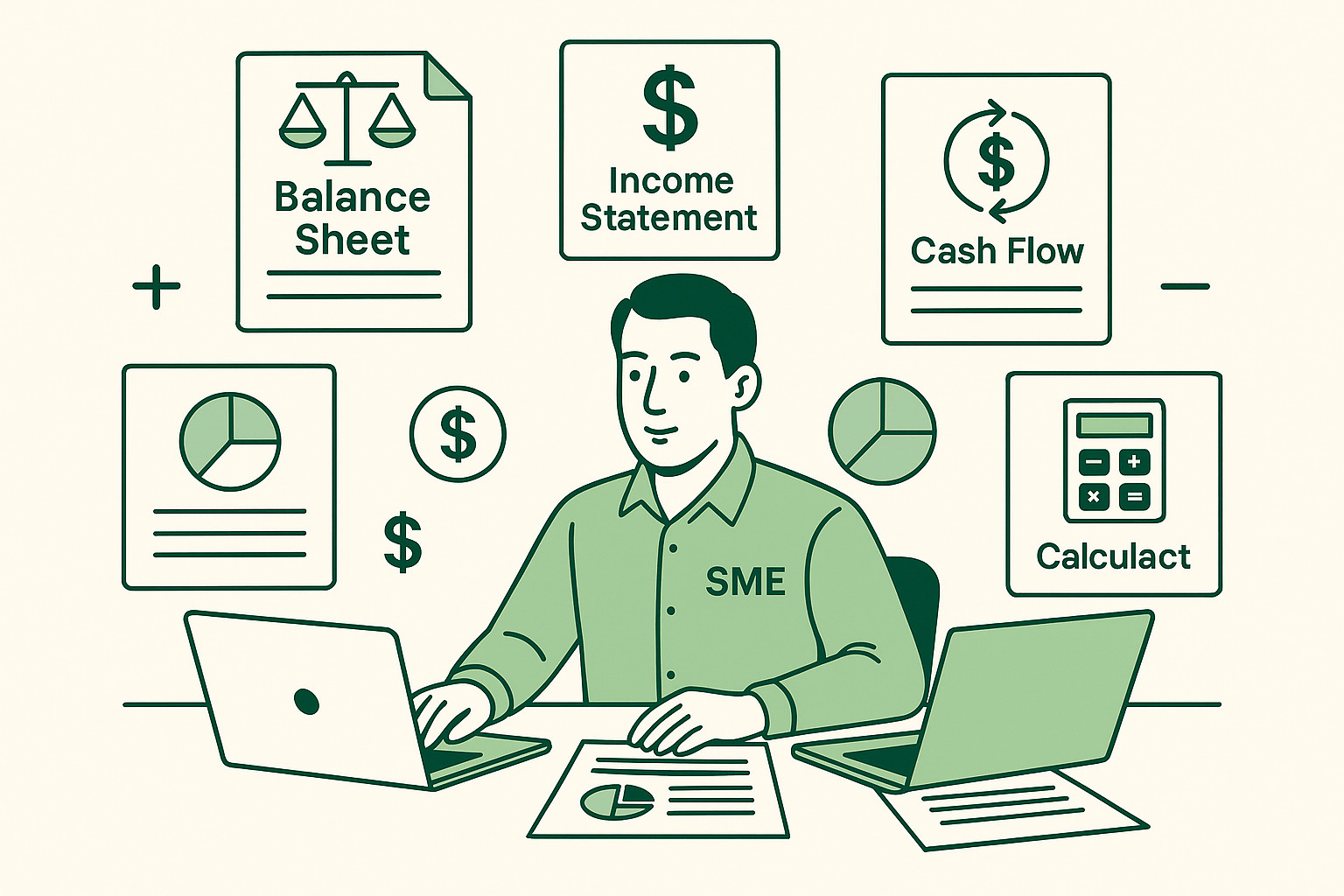
Running a small or medium-sized enterprise (SME) is an exciting journey, filled with opportunities, challenges, and decisions that can make or break the business. While most SME owners are experts in their industry or product, one area often overlooked is basic accounting knowledge.
Understanding accounting is not just for finance professionals; it is a critical skill for any business owner. It provides the foundation for sound decision-making, growth planning, and financial sustainability.
The Importance of Accounting for SMEs
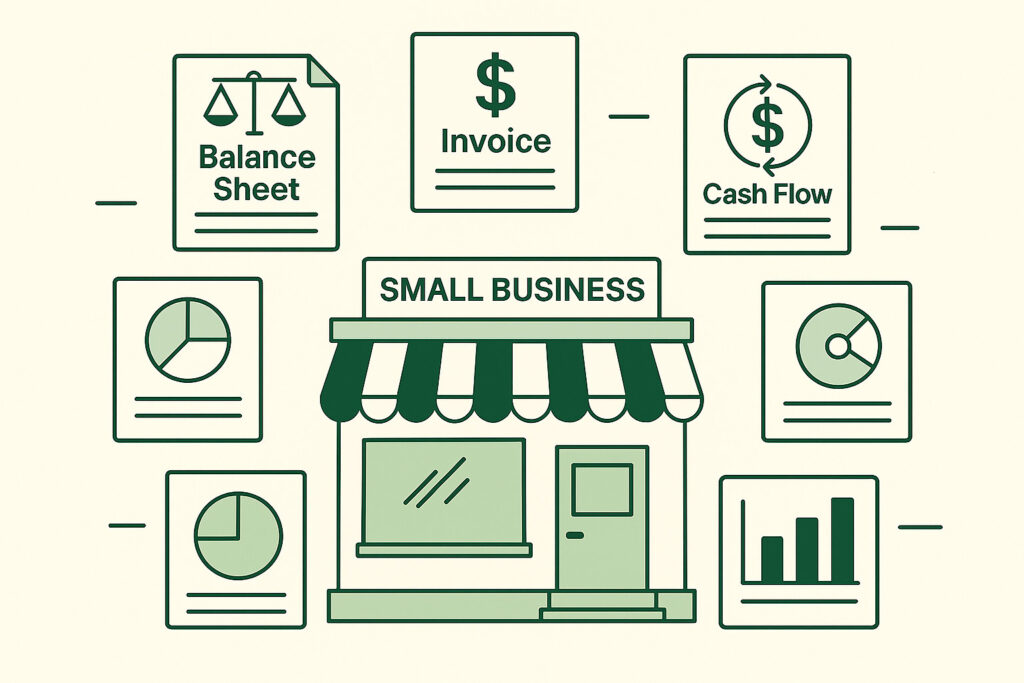
Accounting is the process of recording, summarizing, and analyzing financial transactions. For SMEs, basic accounting knowledge helps owners:
- Track income and expenses
- Understand profitability
- Manage cash flow effectively
- Meet tax and legal obligations
- Make informed strategic decisions
Without these skills, business owners risk poor financial planning, late payments, unexpected losses, or compliance issues.
Key Reasons SME Owners Should Learn Accounting
1. Monitor Cash Flow
Cash flow is the lifeblood of any SME. Even profitable businesses can fail if they run out of cash. Knowing how to read cash flow statements, track receivables, and forecast expenses helps owners avoid liquidity problems.
Example: Identifying slow-paying customers early can prevent cash shortages.
2. Understand Profitability
Accounting knowledge allows SME owners to separate revenue from profit. By analyzing profit and loss statements, owners can determine which products, services, or clients are most profitable, enabling better business decisions.
Example: Cutting underperforming product lines or optimizing pricing strategies.
3. Make Informed Decisions
Every business decision—hiring, investing, expanding—has a financial impact. Understanding basic accounting ensures decisions are backed by data rather than guesswork.
Example: Evaluating whether to take a loan to expand operations by reviewing projected interest, repayment schedules, and cash flow impact.
4. Maintain Compliance
SMEs must comply with tax laws, financial reporting standards, and other regulatory requirements. Basic accounting skills help owners prepare accurate records, file taxes correctly, and avoid penalties.
Example: Properly documenting expenses ensures deductible items are claimed without risking audits.
5. Communicate with Stakeholders
Investors, banks, and business partners rely on financial information to make decisions. SME owners with accounting knowledge can interpret reports confidently and communicate financial performance clearly.
Example: Presenting financial statements to secure a bank loan or attract investors.
6. Reduce Dependence on Outsourcing
While hiring an accountant is important, owners with basic accounting knowledge can:
- Review financial statements effectively
- Detect errors or fraud
- Ensure their accountants are working efficiently
This reduces reliance on external professionals and improves financial control.
Basic Accounting Skills Every SME Owner Should Learn
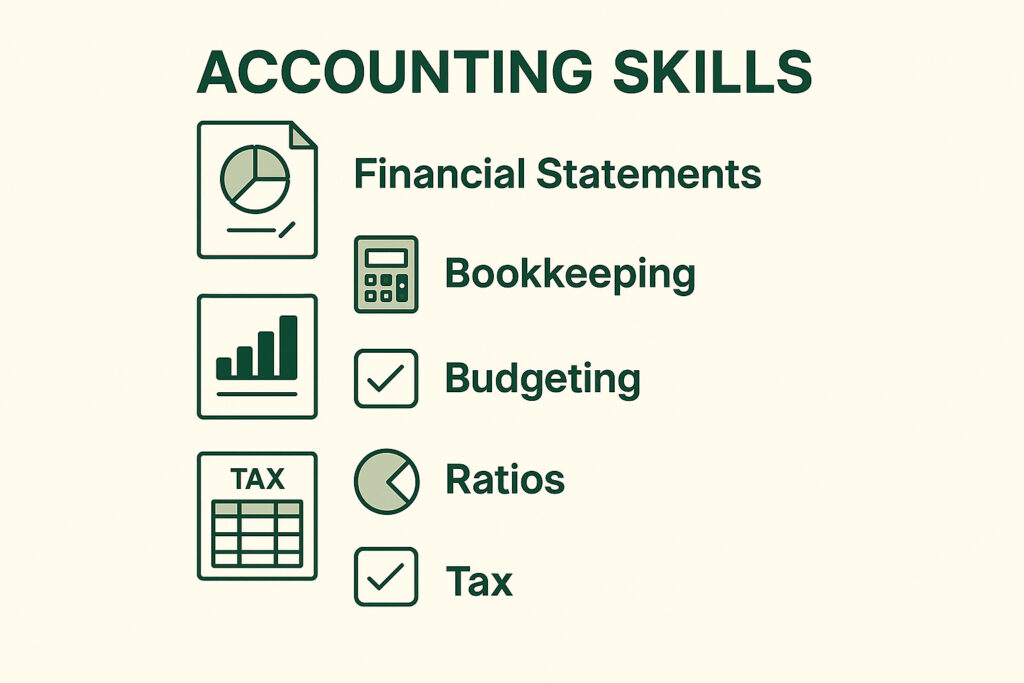
- Reading Financial Statements – Balance sheet, income statement, cash flow statement
- Bookkeeping Fundamentals – Recording sales, purchases, payments, and receipts
- Budgeting & Forecasting – Planning future revenue, costs, and cash flow
- Understanding Key Ratios – Profit margin, current ratio, debt-to-equity ratio
- Tax Basics – Knowing taxable income, deductions, and deadlines
Tools to Help SME Owners
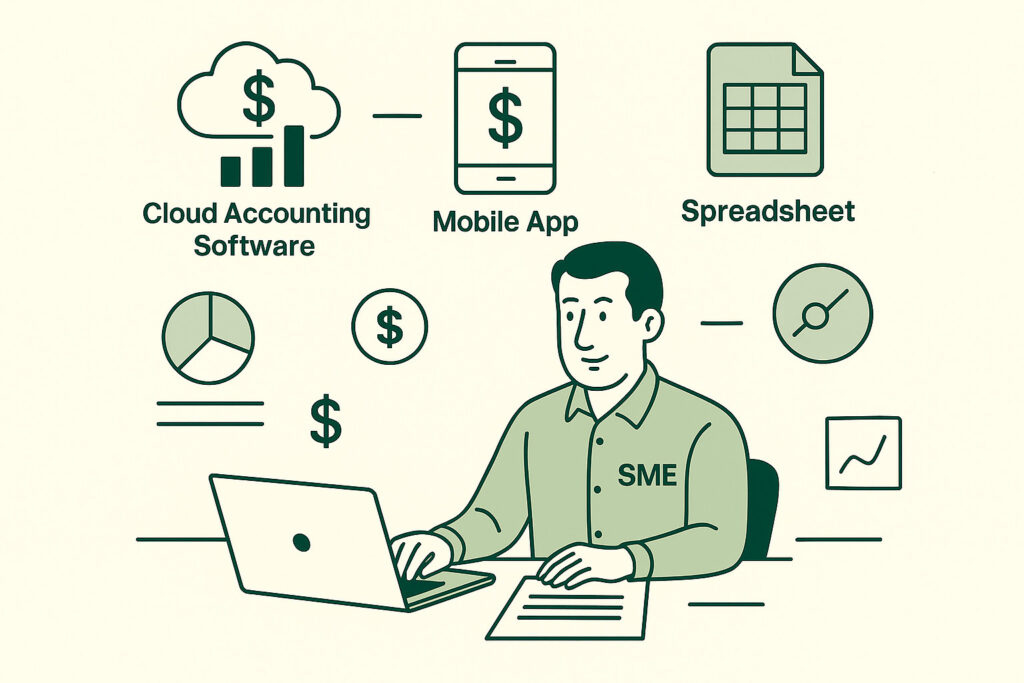
Several tools can simplify accounting for SME owners:
- Cloud Accounting Software – QuickBooks, Xero, or BrizoSystem
- Expense Tracking Apps – Zoho Expense, Expensify
- Spreadsheet Templates – For manual tracking of income, expenses, and cash flow
Even basic knowledge combined with simple tools can significantly improve financial management.
Conclusion

Accounting may seem daunting for many SME owners, but basic knowledge is essential. It empowers owners to:
- Make informed decisions
- Monitor financial health
- Ensure compliance
- Communicate effectively with stakeholders
Ultimately, a small investment in learning accounting can lead to better business performance, growth, and sustainability. SME owners who embrace financial literacy gain a competitive advantage that goes far beyond numbers—they gain control over their business destiny.