Tag: Tutorial

  • Why Every SME Owner Needs Basic Accounting Knowledge

    Why Every SME Owner Needs Basic Accounting Knowledge

    Running a small or medium-sized enterprise (SME) is an exciting journey, filled with opportunities, challenges, and decisions that can make or break the business. While most SME owners are experts in their industry or product, one area often overlooked is basic accounting knowledge.

    Understanding accounting is not just for finance professionals; it is a critical skill for any business owner. It provides the foundation for sound decision-making, growth planning, and financial sustainability.


    The Importance of Accounting for SMEs

    Accounting is the process of recording, summarizing, and analyzing financial transactions. For SMEs, basic accounting knowledge helps owners:

    • Track income and expenses
    • Understand profitability
    • Manage cash flow effectively
    • Meet tax and legal obligations
    • Make informed strategic decisions

    Without these skills, business owners risk poor financial planning, late payments, unexpected losses, or compliance issues.


    Key Reasons SME Owners Should Learn Accounting

    1. Monitor Cash Flow

    Cash flow is the lifeblood of any SME. Even profitable businesses can fail if they run out of cash. Knowing how to read cash flow statements, track receivables, and forecast expenses helps owners avoid liquidity problems.

    Example: Identifying slow-paying customers early can prevent cash shortages.


    2. Understand Profitability

    Accounting knowledge allows SME owners to separate revenue from profit. By analyzing profit and loss statements, owners can determine which products, services, or clients are most profitable, enabling better business decisions.

    Example: Cutting underperforming product lines or optimizing pricing strategies.


    3. Make Informed Decisions

    Every business decision—hiring, investing, expanding—has a financial impact. Understanding basic accounting ensures decisions are backed by data rather than guesswork.

    Example: Evaluating whether to take a loan to expand operations by reviewing projected interest, repayment schedules, and cash flow impact.


    4. Maintain Compliance

    SMEs must comply with tax laws, financial reporting standards, and other regulatory requirements. Basic accounting skills help owners prepare accurate records, file taxes correctly, and avoid penalties.

    Example: Properly documenting expenses ensures deductible items are claimed without risking audits.


    5. Communicate with Stakeholders

    Investors, banks, and business partners rely on financial information to make decisions. SME owners with accounting knowledge can interpret reports confidently and communicate financial performance clearly.

    Example: Presenting financial statements to secure a bank loan or attract investors.


    6. Reduce Dependence on Outsourcing

    While hiring an accountant is important, owners with basic accounting knowledge can:

    • Review financial statements effectively
    • Detect errors or fraud
    • Ensure their accountants are working efficiently

    This reduces reliance on external professionals and improves financial control.


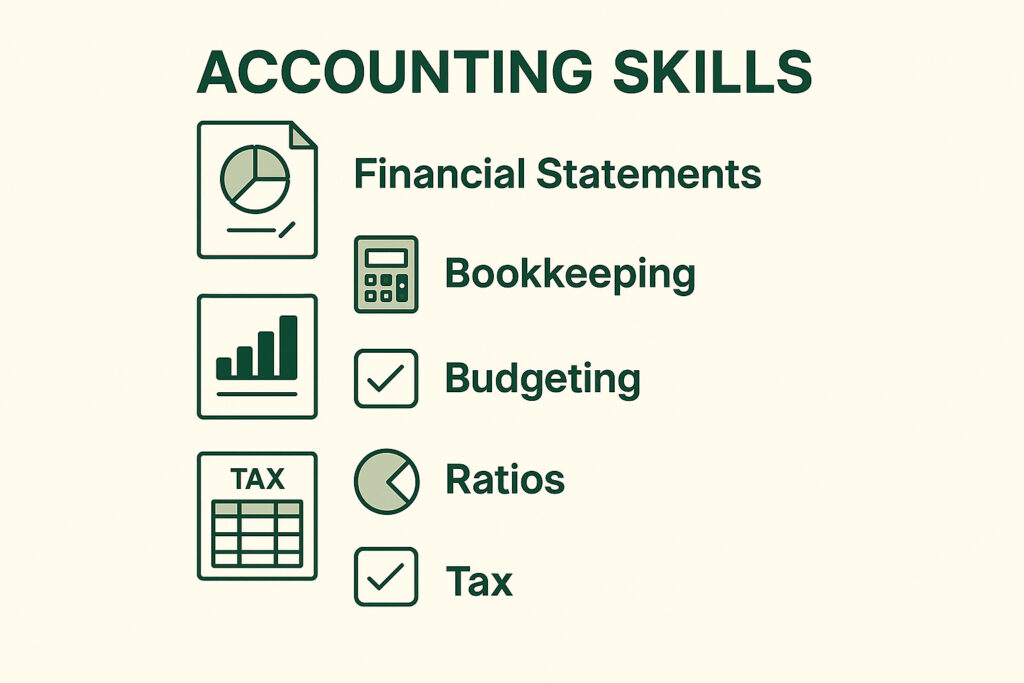
    Basic Accounting Skills Every SME Owner Should Learn

    1. Reading Financial Statements – Balance sheet, income statement, cash flow statement
    2. Bookkeeping Fundamentals – Recording sales, purchases, payments, and receipts
    3. Budgeting & Forecasting – Planning future revenue, costs, and cash flow
    4. Understanding Key Ratios – Profit margin, current ratio, debt-to-equity ratio
    5. Tax Basics – Knowing taxable income, deductions, and deadlines

    Tools to Help SME Owners

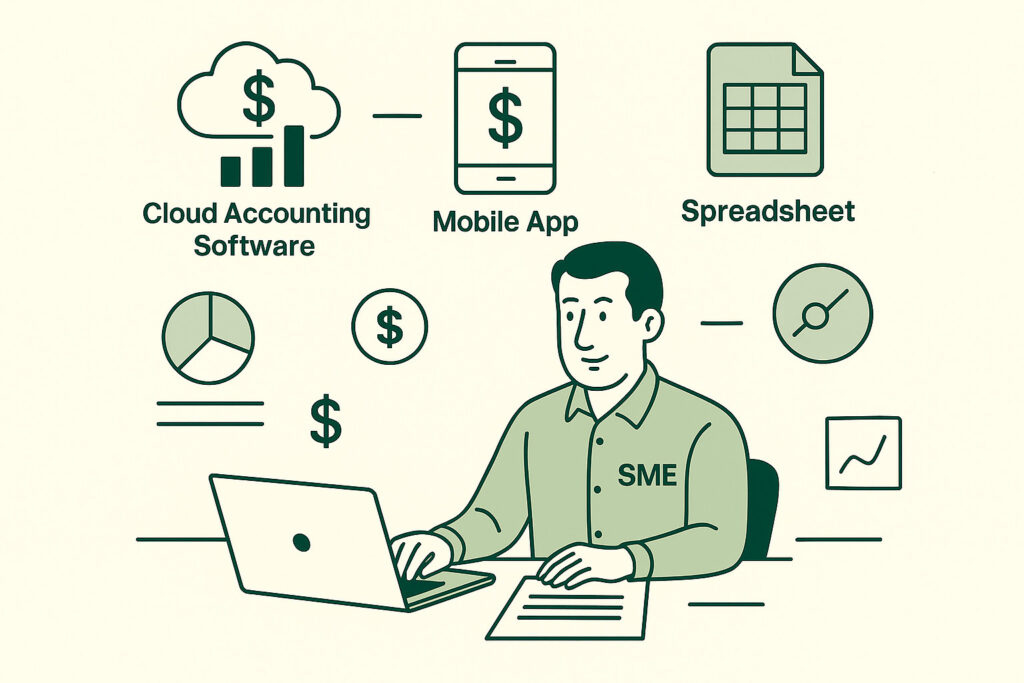
    Several tools can simplify accounting for SME owners:

    • Cloud Accounting Software – QuickBooks, Xero, or BrizoSystem
    • Expense Tracking Apps – Zoho Expense, Expensify
    • Spreadsheet Templates – For manual tracking of income, expenses, and cash flow

    Even basic knowledge combined with simple tools can significantly improve financial management.


    Conclusion

    Accounting may seem daunting for many SME owners, but basic knowledge is essential. It empowers owners to:

    • Make informed decisions
    • Monitor financial health
    • Ensure compliance
    • Communicate effectively with stakeholders

    Ultimately, a small investment in learning accounting can lead to better business performance, growth, and sustainability. SME owners who embrace financial literacy gain a competitive advantage that goes far beyond numbers—they gain control over their business destiny.

  • Understanding Funding in Accounting: Shares, Debts, and Financing Options

    Understanding Funding in Accounting: Shares, Debts, and Financing Options

    Introduction

    Raising funds is a critical activity for any business, whether it’s a startup seeking capital, a growing company financing expansion, or an established firm managing cash flow. Understanding the various funding sources and their accounting implications is essential for accountants, finance managers, and investors.

    This article explores the key methods of funding, including equity, debt, hybrid instruments, and alternative financing, and explains how each is recorded in the financial statements.


    1. Ordinary Shares (Common Stock)

    What Are Ordinary Shares?

    Ordinary shares represent ownership in a company. Shareholders have voting rights and are entitled to dividends if declared.

    Accounting Treatment

    When shares are issued:

    Example: Issue 1,000 shares at $10 each.

    • Entry: Dr Cash 10,000 Cr Share Capital 10,000

    Dividends declared:

    Dr Retained Earnings  X
         Cr Dividends Payable  X
    

    2. Preference Shares

    What Are Preference Shares?

    Preference shares give holders preferential treatment in dividends and capital repayment but usually do not have voting rights.

    Accounting Treatment

    Issuing preference shares:

    Dr Cash             X
         Cr Preference Share Capital  X
    

    Dividends (cumulative or non-cumulative):

    Dr Retained Earnings  X
         Cr Dividends Payable  X
    

    Note: Redeemable preference shares may also require adjustments for premium on redemption.


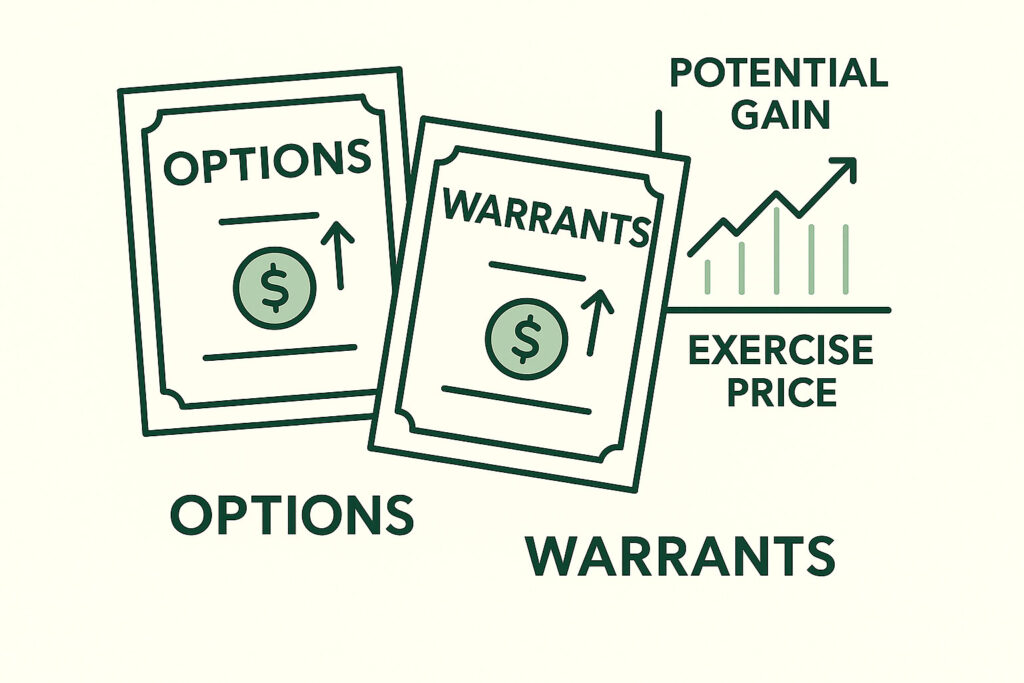
    3. Share Options and Warrants

    What Are They?

    • Options: Right to buy shares at a predetermined price.
    • Warrants: Long-term option issued often with bonds or debentures to make them more attractive.

    Accounting Treatment

    • Recognize proceeds from exercise: Dr Cash X Cr Share Capital Y Cr Share Premium (X-Y)
    • If expired without exercise, recognize as income or adjust equity as per company policy.

    4. Debentures

    What Are Debentures?

    Debentures are long-term debt instruments with a fixed interest rate. They are not secured by assets in the case of unsecured debentures.

    Accounting Treatment

    Issuance of debentures:

    Dr Cash            X
         Cr Debentures Payable  X
    

    Interest payment:

    Dr Interest Expense  X
         Cr Cash          X
    

    Amortization of premium/discount may also apply if issued at a price different from face value.


    5. Bonds

    What Are Bonds?

    Bonds are long-term debt instruments, usually tradable, issued to raise capital from the public or institutional investors.

    Accounting Treatment

    • Issuance at par:
    Dr Cash          X
         Cr Bonds Payable  X
    
    • Issuance at discount/premium:
    Dr Cash          X
    Dr Discount on Bonds (if below par)
         Cr Bonds Payable  Y
    

    Interest accrual:

    Dr Interest Expense   X
         Cr Cash/Interest Payable  X
    

    6. Convertible Instruments

    What Are Convertibles?

    Convertibles are bonds or debentures that can be converted into equity at a predetermined rate.

    Accounting Treatment

    • On issuance: Split into liability (debt) and equity component:
    Dr Cash               X
         Cr Convertible Liability  Y
         Cr Equity Component      Z
    
    • Interest on liability part is recorded normally:
    Dr Interest Expense   Y
         Cr Cash          Y
    
    • On conversion:
    Dr Convertible Liability  Y
         Cr Share Capital     Z
         Cr Share Premium     (if applicable)
    

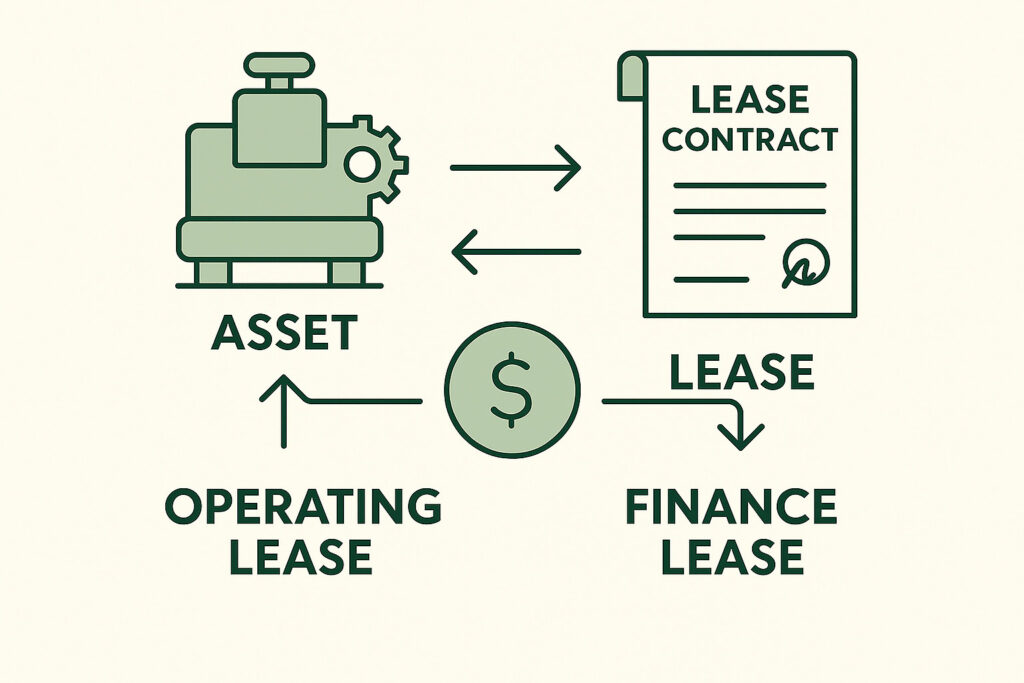
    7. Leasing

    What Is Leasing?

    Leasing is a method of obtaining assets without full upfront payment. Types include finance lease (capitalized) and operating lease (expense as incurred).

    Accounting Treatment

    • Finance Lease:
    Dr Leased Asset       X
         Cr Lease Liability  X
    
    • Lease payment:
    Dr Interest Expense   X
    Dr Lease Liability    Y
         Cr Cash          (X+Y)
    
    • Operating Lease:
    Dr Lease Expense      X
         Cr Cash          X
    

    8. Bank Loans

    What Are Bank Loans?

    Loans are borrowed funds repayable with interest over a fixed period.

    Accounting Treatment

    • Loan received:
    Dr Cash           X
         Cr Loan Payable  X
    
    • Interest expense:
    Dr Interest Expense  X
         Cr Cash          X
    

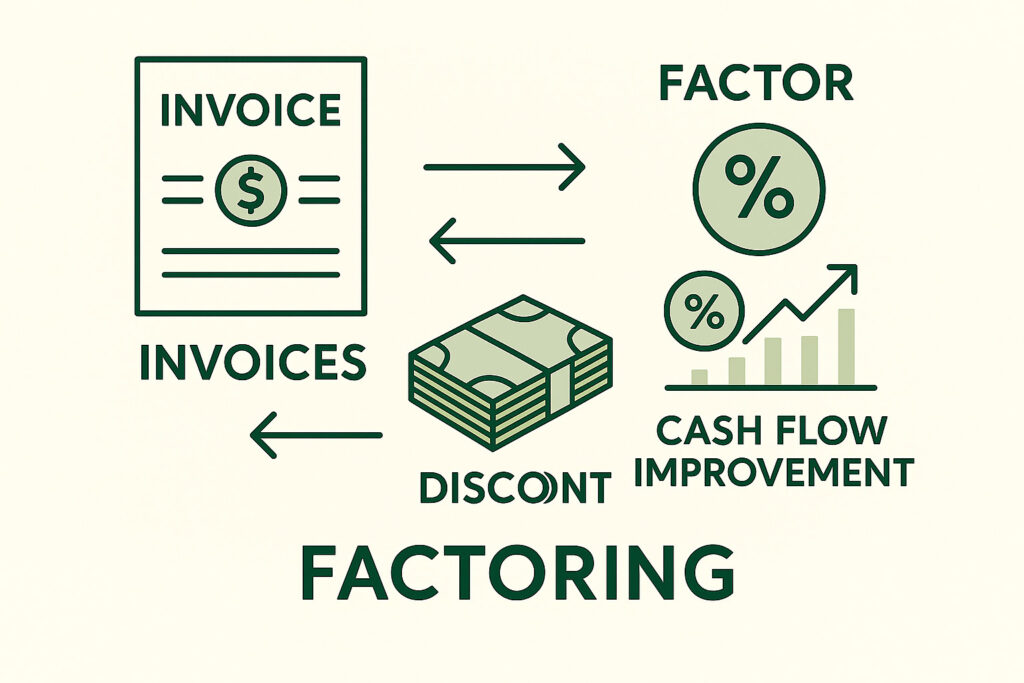
    9. Factoring

    What Is Factoring?

    Factoring is selling accounts receivable to a third party (factor) at a discount to improve cash flow.

    Accounting Treatment

    • On sale of receivables:
    Dr Cash              X
    Dr Loss on Sale of Receivables  Y
         Cr Accounts Receivable  (X+Y)
    

    10. Overdraft

    What Is an Overdraft?

    An overdraft allows a company to withdraw more than its current account balance, usually up to an agreed limit.

    Accounting Treatment

    • Recording overdraft:
    Dr Cash/Bank       X
         Cr Bank Overdraft  X
    
    • Interest expense:
    Dr Interest Expense  X
         Cr Bank Overdraft/Cash  X
    

    Conclusion

    Funding is a cornerstone of business strategy, and understanding different types of funding is vital for proper financial management. Each source—equity, debt, hybrid instruments, and alternative financing—has unique implications on financial statements, control, and cost of capital.

    Proper accounting treatment ensures transparency, compliance, and accurate reporting, helping businesses make informed strategic decisions while maintaining investor confidence.

  • Accounting Basics: The Balance Sheet: Structure and Key Elements

    Accounting Basics: The Balance Sheet: Structure and Key Elements

    Understanding financial statements is crucial for anyone learning accounting or managing a business. Among these statements, the balance sheet holds a special place because it provides a snapshot of a company’s financial health at a specific point in time. This blog will explain the structure of a balance sheet, its key elements, and why it matters.

    What Is a Balance Sheet?

    Understanding the Balance Sheet

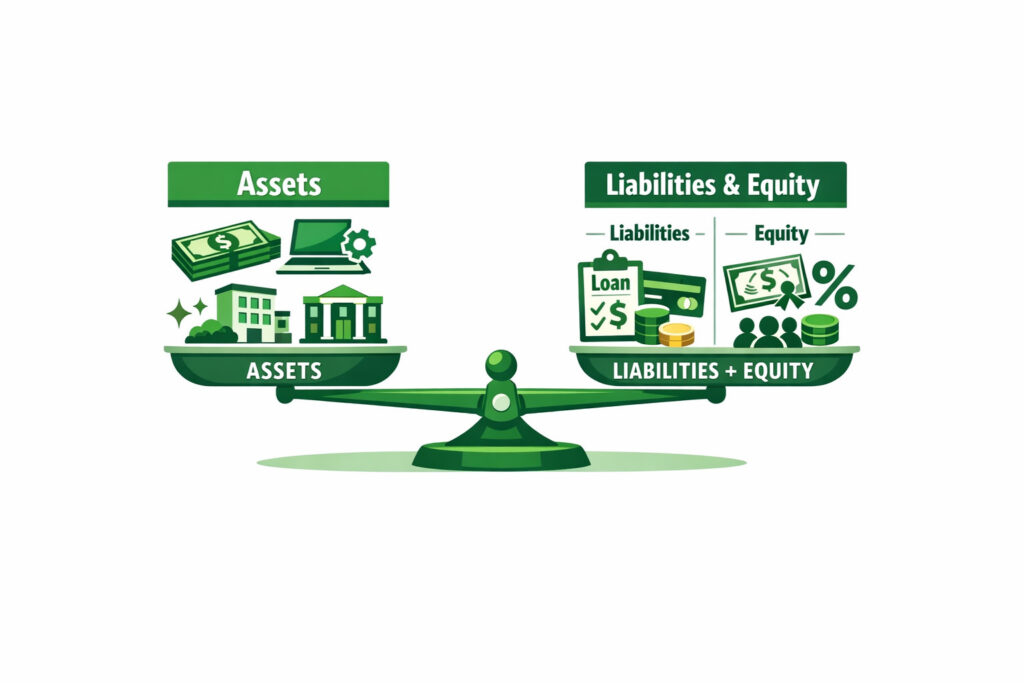
    A balance sheet is one of the primary financial statements used in accounting. It shows a company’s assets, liabilities, and equity at a specific date. Essentially, it answers the question: “What does the company own, what does it owe, and what is left for the owners?”

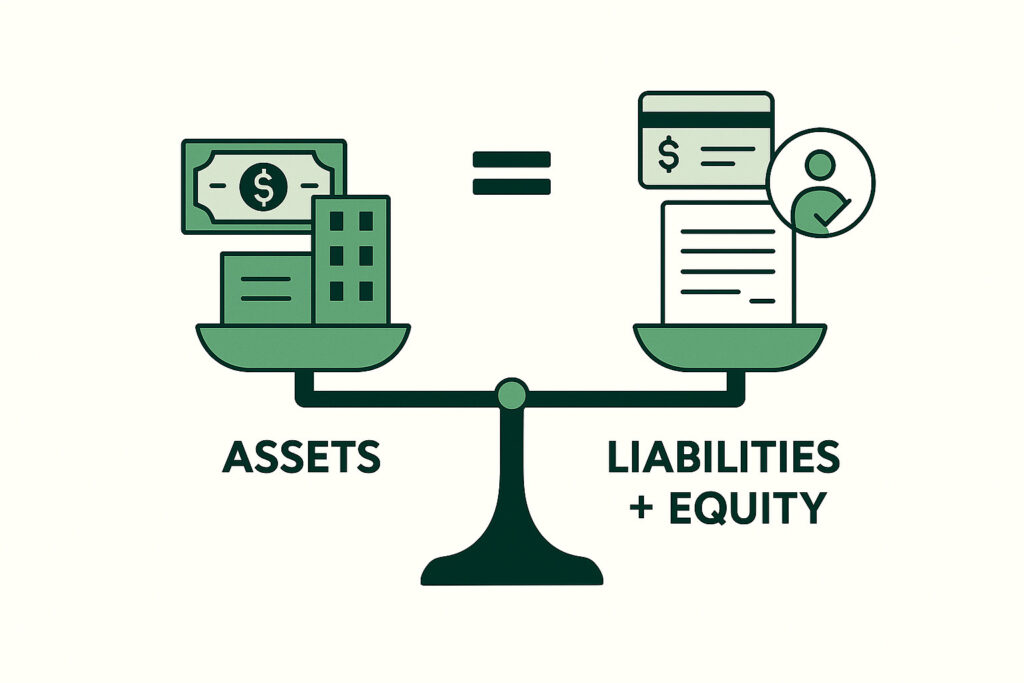
    The balance sheet follows a fundamental accounting equation:

    Assets = Liabilities + Equity

    This equation must always balance, hence the name balance sheet.


    Structure of the Balance Sheet

    A balance sheet is generally divided into two main sections:

    1. Assets

    Assets are resources a company owns or controls that are expected to bring future economic benefits. Assets are typically categorized as:

    • Current Assets: Assets that are expected to be converted into cash or used up within one year. Examples include:
      • Cash and cash equivalents
      • Accounts receivable
      • Inventory
      • Prepaid expenses
    • Non-Current Assets (Fixed Assets): Long-term resources used to operate the business. Examples include:
      • Property, plant, and equipment (PP&E)
      • Intangible assets (like patents or trademarks)
      • Long-term investments

    2. Liabilities

    Liabilities are obligations the company owes to outside parties, which will require the transfer of economic resources in the future. They are divided into:

    • Current Liabilities: Obligations due within one year, such as:
      • Accounts payable
      • Short-term loans
      • Accrued expenses
    • Non-Current Liabilities: Obligations due after one year, such as:
      • Long-term debt
      • Lease obligations
      • Pension liabilities

    3. Equity

    Equity represents the owners’ residual interest in the company after deducting liabilities from assets. Common components include:

    • Common stock or share capital
    • Retained earnings (profits kept in the business)
    • Additional paid-in capital
    • Treasury stock (if applicable)

    Equity reflects what would remain for shareholders if all assets were sold and all debts paid.


    Key Features of a Balance Sheet

    1. Snapshot in Time: Unlike the income statement, which covers a period, the balance sheet represents a specific date.
    2. Double-Entry Principle: Every transaction affects both sides of the balance sheet to keep it balanced.
    3. Liquidity Order: Assets and liabilities are often listed in order of liquidity (how quickly they can be converted to cash).

    Why the Balance Sheet Is Important

    The balance sheet helps stakeholders understand a company’s:

    • Financial Stability: By comparing assets and liabilities, one can see if a company can meet its obligations.
    • Liquidity Position: Indicates whether a company can cover short-term debts.
    • Investment Potential: Investors evaluate equity and retained earnings to make decisions.
    • Creditworthiness: Creditors assess liabilities and assets before lending.

    Practical Example

    Imagine a small business with the following financials:

    AssetsAmountLiabilities & EquityAmount
    Cash$10,000Accounts Payable$5,000
    Accounts Receivable$5,000Loan Payable (1 yr)$5,000
    Inventory$15,000Equity$25,000
    Equipment$20,000
    Total Assets$50,000Total Liabilities & Equity$50,000

    Notice how Assets = Liabilities + Equity ($50,000 = $10,000 + $25,000 + $15,000). The balance sheet balances perfectly!


    Final Thoughts

    The balance sheet is a fundamental tool in accounting that provides critical insights into a company’s financial health. By understanding its structure and key elements—assets, liabilities, and equity—you gain a clearer picture of how a business operates and how it is financed. For students, entrepreneurs, and investors alike, mastering the balance sheet is a crucial step toward financial literacy and informed decision-making.

  • Mastering the Maze: The Intricacies of Group Structure Changes in Financial Reporting

    Mastering the Maze: The Intricacies of Group Structure Changes in Financial Reporting

    Imagine a sprawling corporate empire, a labyrinth of subsidiaries, joint ventures, and associated companies, all intricately woven together. Now, picture the sudden decision to realign this empire-merging entities, spinning off divisions, or acquiring new companies. This is the world of group structure changes in financial reporting, a domain where precision, foresight, and adaptability are paramount. Welcome to a deep dive into this complex yet fascinating aspect of financial reporting, consolidation, and performance insights.

    Understanding Group Structure Changes

    Understanding Group Structure Changes

    Group structure changes refer to any significant alterations in the composition of a corporate group. These changes can include mergers and acquisitions, divestitures, restructuring, or even the formation of new entities. Each of these actions has profound implications for financial reporting, necessitating a thorough understanding of accounting principles, regulatory requirements, and strategic objectives.

    For instance, consider a multinational corporation deciding to merge two of its subsidiaries. This decision isn’t just about combining resources and streamlining operations. It involves a meticulous process of financial due diligence, valuation, and integration. The financial statements must reflect the new structure accurately, ensuring compliance with International Financial Reporting Standards (IFRS) or Generally Accepted Accounting Principles (GAAP), depending on the jurisdiction.

    The Impact on Financial Reporting

    The Impact on Financial Reporting

    1. Consolidation Requirements

    One of the most immediate impacts of group structure changes is on the consolidation of financial statements. Consolidation is the process of combining the financial statements of a parent company and its subsidiaries into a single set of statements. When a group undergoes structural changes, the consolidation process becomes more complex.

    For example, when a company acquires a new subsidiary, it must consolidate the financial statements of the acquired entity with its own. This requires identifying the acquisition date, determining the fair value of the assets and liabilities acquired, and recognizing any goodwill or bargain purchase. Conversely, when a company divests a subsidiary, it must deconsolidate the financial statements of the divested entity, recognizing any gain or loss on disposal.

    Practical Tip: Always perform a thorough due diligence process before any acquisition or divestiture. This includes assessing the financial health, operational efficiency, and strategic fit of the entity involved. Engage with experienced accountants and financial advisors to ensure accurate valuation and compliance with reporting standards.

    2. Segment Reporting

    Group structure changes also affect segment reporting. Segments are components of an entity for which separate financial information is available and is regularly reviewed by the chief operating decision-maker. When a group undergoes structural changes, it may need to redefine its reportable segments.

    For instance, if a company merges two subsidiaries that operate in different industries, it may need to reassess whether these operations should be reported as a single segment or separate segments. This reassessment is crucial for providing meaningful insights into the company’s performance and financial position.

    Practical Tip: Regularly review and update your segment reporting in line with structural changes. Ensure that the segments reported provide relevant and reliable information to stakeholders, aiding in better decision-making.

    3. Disclosure Requirements

    Disclosure is a critical aspect of financial reporting, especially in the context of group structure changes. Companies must disclose the nature and financial effect of significant events and transactions, including mergers, acquisitions, and divestitures.

    For example, when a company acquires a new subsidiary, it must disclose the acquisition method used, the fair value of the consideration transferred, the recognized amounts of identifiable assets acquired and liabilities assumed, and the goodwill recognized. Similarly, when a company divests a subsidiary, it must disclose the method of disposal, the carrying amount of the assets and liabilities disposed of, and the gain or loss recognized on disposal.

    Practical Tip: Maintain robust documentation and records of all significant transactions and events. This will facilitate accurate and timely disclosure in the financial statements, enhancing transparency and accountability.

    Navigating the Challenges

    Navigating the Challenges

    1. Valuation Complexities

    One of the most challenging aspects of group structure changes is the valuation of assets and liabilities. This is particularly true in the case of mergers and acquisitions, where the fair value of the acquired entity must be determined.

    Valuation involves assessing the financial statements of the target entity, considering its market position, growth prospects, and synergies with the acquiring company. It also involves evaluating the fair value of identifiable assets and liabilities, such as property, plant, and equipment, intangible assets, and contingent liabilities.

    Practical Tip: Engage with valuation experts, such as appraisers and financial analysts, to ensure an accurate and reliable valuation. Use a combination of valuation methods, such as the income approach, market approach, and cost approach, to triangulate the fair value.

    2. Integration of Financial Systems

    Another significant challenge is the integration of financial systems and processes. When a group undergoes structural changes, it may need to integrate the financial systems of the entities involved, ensuring consistency and compatibility.

    This integration involves aligning the chart of accounts, financial calendars, reporting currencies, and accounting policies. It also involves harmonizing the financial processes, such as budgeting, forecasting, and financial close.

    Practical Tip: Develop a detailed integration plan, outlining the steps, timelines, and responsibilities for integrating the financial systems. Engage with IT and finance teams to ensure a smooth and efficient integration process.

    3. Managing Cultural and Operational Differences

    Group structure changes often involve entities with different cultures, operational practices, and management styles. Integrating these entities into a cohesive group requires careful management of cultural and operational differences.

    This involves fostering a shared vision and values, aligning the strategic objectives, and promoting collaboration and communication across the group. It also involves addressing any conflicts or resistance to change, ensuring a smooth transition.

    Practical Tip: Invest in change management initiatives, such as training programs, team-building activities, and communication campaigns. Engage with employees at all levels, addressing their concerns and involving them in the change process.

    Case Study: The ABC Group Merger

    Case Study: The ABC Group Merger

    To illustrate the intricacies of group structure changes, let’s consider the case of the ABC Group, a multinational conglomerate operating in the technology sector. The group decided to merge two of its subsidiaries, XYZ Tech and QRS Solutions, to enhance synergies and streamline operations.

    1. Due Diligence and Valuation

    The first step in the merger process was conducting a thorough due diligence of both subsidiaries. This involved reviewing their financial statements, assessing their market position, and evaluating their growth prospects. The group engaged with valuation experts to determine the fair value of XYZ Tech and QRS Solutions.

    The valuation process revealed that XYZ Tech had a strong portfolio of patents and proprietary technology, while QRS Solutions had a robust customer base and distribution network. The combined fair value of the subsidiaries was determined to be $1.5 billion.

    2. Consolidation and Integration

    Following the valuation, the group proceeded with the consolidation and integration of the subsidiaries. This involved aligning their financial systems, processes, and policies. The group developed a detailed integration plan, outlining the steps, timelines, and responsibilities for the integration process.

    The integration plan included harmonizing the chart of accounts, financial calendars, and reporting currencies. It also involved aligning the budgeting, forecasting, and financial close processes. The group engaged with IT and finance teams to ensure a smooth and efficient integration.

    3. Cultural and Operational Alignment

    To manage the cultural and operational differences between XYZ Tech and QRS Solutions, the group invested in change management initiatives. This included training programs, team-building activities, and communication campaigns.

    The group fostered a shared vision and values, aligning the strategic objectives of the subsidiaries. It promoted collaboration and communication across the group, addressing any conflicts or resistance to change. The employees of both subsidiaries were engaged in the change process, ensuring a smooth transition.

    4. Disclosure and Reporting

    Finally, the group disclosed the merger in its financial statements, providing detailed information about the acquisition method, the fair value of the consideration transferred, the recognized amounts of identifiable assets acquired and liabilities assumed, and the goodwill recognized.

    The disclosure enhanced the transparency and accountability of the group, providing stakeholders with meaningful insights into the merger and its financial impact.

    Conclusion

    Conclusion

    In conclusion, mastering group structure changes in financial reporting requires more than just technical knowledge—it demands a strategic understanding of how organizational shifts impact consolidation, compliance, and stakeholder transparency. By carefully analyzing each change, anticipating its effects on financial statements, and maintaining clear communication across reporting teams, organizations can navigate the complexities of group structures with confidence. Ultimately, a proactive approach not only ensures accurate reporting but also strengthens decision-making, enhances investor trust, and positions the company for sustainable growth in an ever-evolving financial landscape.

  • Accounting Basics: Understanding the Accounting Equation

    Accounting Basics: Understanding the Accounting Equation

    Imagine you’re standing at the edge of a vast ocean, the waves crashing against the shore, and you’re about to embark on a journey to explore its depths. This is how many students and professionals feel when they first encounter the world of accounting. But fear not! The journey begins with a simple yet profound concept: the accounting equation. In this article, we’ll dive deep into the accounting equation, unraveling its mysteries and understanding its significance in the world of finance.

    The Foundation: What is the Accounting Equation?

    The Foundation: What is the Accounting Equation?

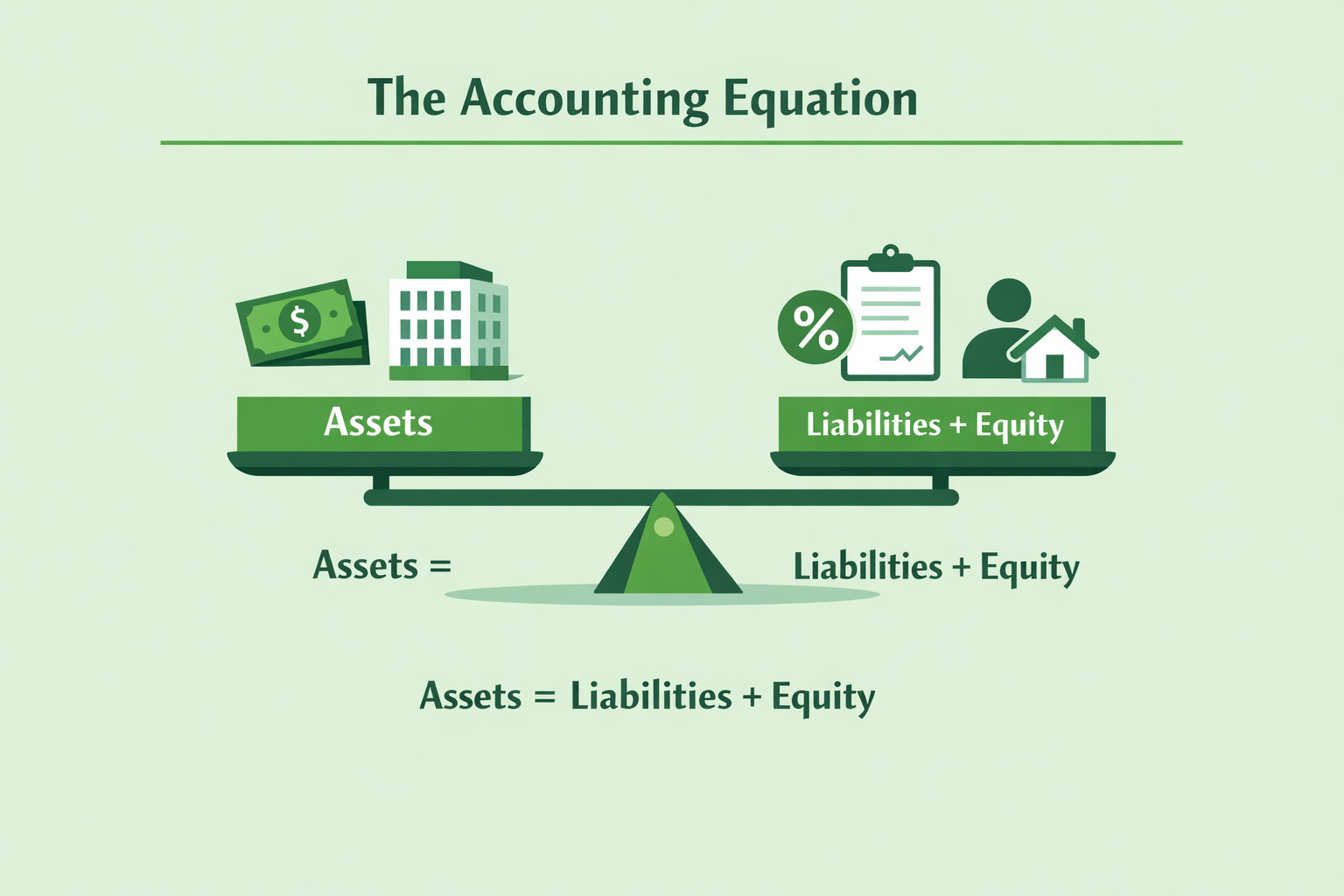
    At its core, the accounting equation is the backbone of double-entry bookkeeping. It is a fundamental principle that ensures the balance between a company’s assets, liabilities, and equity. The equation is expressed as:

    Assets = Liabilities + Equity

    This equation is not just a mathematical formula; it’s a reflection of the financial position of a business at any given moment. To truly grasp its importance, let’s break down each component.

    Assets: The Resources at Your Disposal

    Assets are resources owned by a business that have economic value. They can be tangible, like cash, inventory, and property, or intangible, like patents and trademarks. Assets are crucial because they represent what the company owns and can use to generate revenue. For instance, a manufacturing company’s assets might include its machinery, raw materials, and finished goods. Understanding and managing assets is key to ensuring the company’s financial health.

    Liabilities: What You Owe

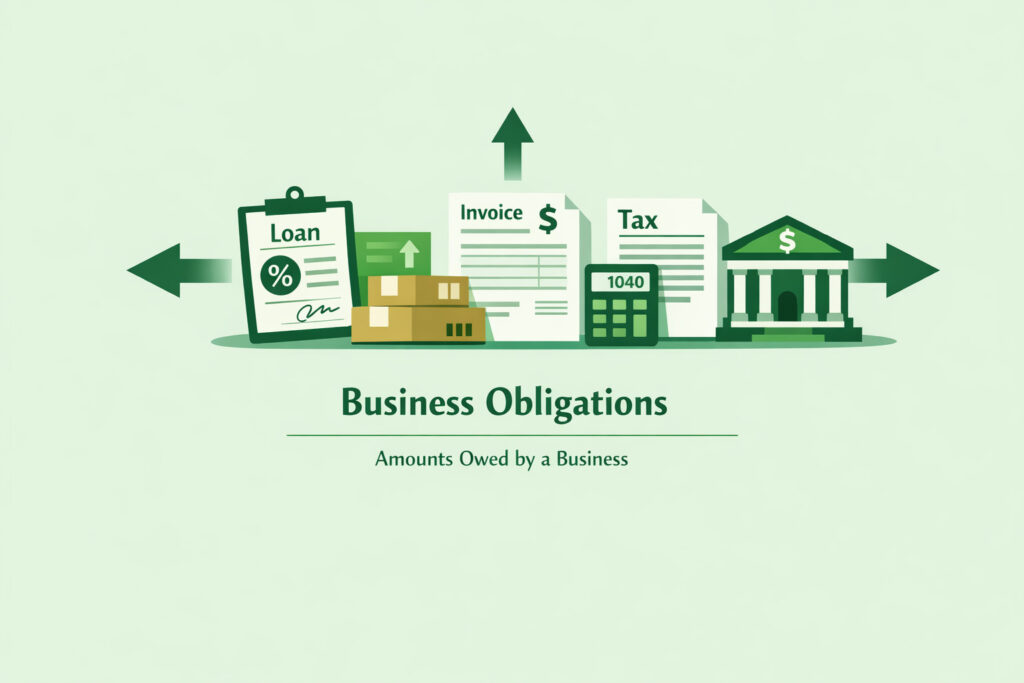
    Liabilities are obligations that a business must settle in the future. They can include loans, accounts payable, mortgages, and deferred revenues. Liabilities are essential because they represent the company’s debts and financial obligations. For example, if a company borrows money to purchase equipment, the loan becomes a liability. Managing liabilities effectively is crucial for maintaining a healthy cash flow and avoiding financial distress.

    Equity: The Owner’s Stake

    Equity, often referred to as shareholders’ equity or owner’s equity, represents the residual interest in the assets of the company after deducting liabilities. In simpler terms, it’s the value that would be returned to a company’s owners if all assets were liquidated and all debts were paid off. Equity includes common stock, retained earnings, and additional paid-in capital. It’s a measure of the net worth of the company and is crucial for assessing the financial stability and value of the business.

    The Accounting Equation in Action: A Practical Example

    The Accounting Equation in Action: A Practical Example

    To illustrate how the accounting equation works in practice, let’s consider a simple example. Suppose you start a small bakery. Initially, you invest $10,000 of your own money into the business. This investment increases the bakery’s assets (cash) by $10,000 and also increases the equity by $10,000. The accounting equation remains balanced:

    Assets ($10,000) = Liabilities ($0) + Equity ($10,000)

    Now, let’s say you purchase an oven for $5,000 using cash. This transaction decreases your cash (an asset) by $5,000 and increases your equipment (another asset) by $5,000. The equation remains balanced:

    Assets ($5,000 cash + $5,000 equipment) = Liabilities ($0) + Equity ($10,000)

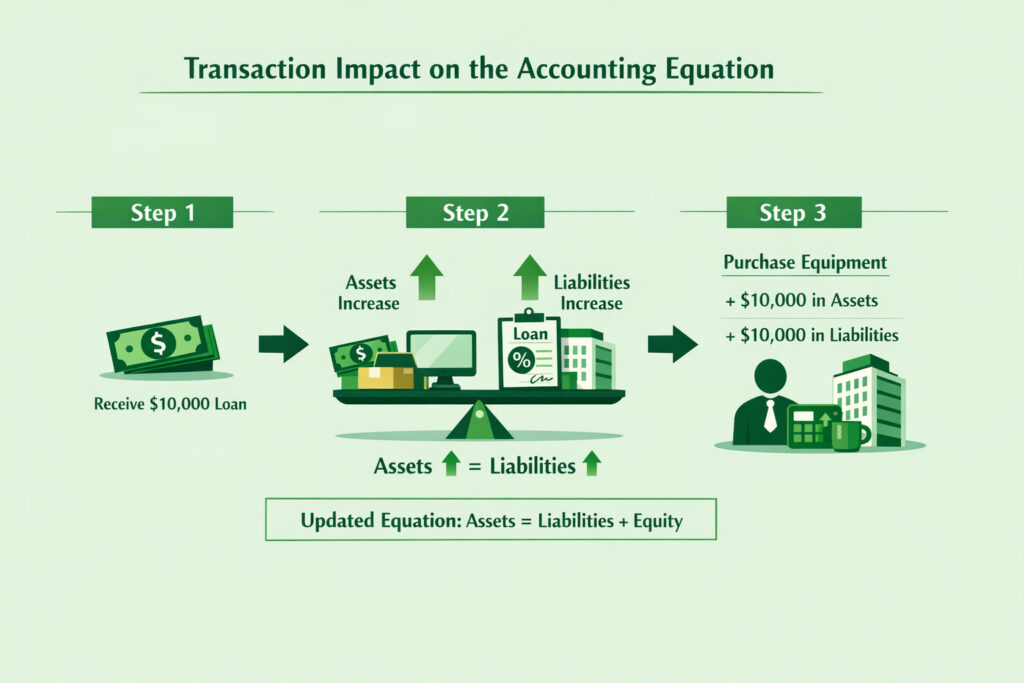
    Next, you decide to take out a loan of $20,000 to expand your bakery. The loan increases your cash (an asset) by $20,000 and also increases your liabilities by $20,000. The equation remains balanced:

    Assets ($25,000 cash + $5,000 equipment) = Liabilities ($20,000) + Equity ($10,000)

    Finally, you make a profit of $3,000 in the first month of operations. This profit increases your retained earnings, which is part of equity. The equation now looks like this:

    Assets ($25,000 cash + $5,000 equipment) = Liabilities ($20,000) + Equity ($10,000 + $3,000 retained earnings)

    Through these examples, you can see how every financial transaction impacts the accounting equation, ensuring that the balance is always maintained.

    Why the Accounting Equation Matters

    Why the Accounting Equation Matters

    Ensuring Financial Accuracy

    The accounting equation is a fundamental tool for ensuring the accuracy of financial records. By requiring that assets always equal liabilities plus equity, it provides a built-in check against errors. If the equation doesn’t balance, it signals that there’s a mistake somewhere in the financial records. This helps accountants and business owners identify and correct errors promptly, ensuring that financial statements are reliable and accurate.

    Facilitating Decision-Making

    Understanding the accounting equation is crucial for making informed business decisions. By analyzing the relationship between assets, liabilities, and equity, business owners and managers can assess the financial health of their company. For example, a high level of liabilities compared to assets might indicate that the company is overleveraged and at risk of financial distress. On the other hand, a strong equity position suggests a stable and healthy business. This information is invaluable for strategic planning, investment decisions, and managing growth.

    Enhancing Transparency

    The accounting equation promotes transparency in financial reporting. By clearly showing the relationship between assets, liabilities, and equity, it provides stakeholders with a clear picture of the company’s financial position. This transparency is essential for building trust with investors, creditors, and other stakeholders. It allows them to make informed decisions based on a comprehensive understanding of the company’s financial health.

    Common Misconceptions About the Accounting Equation

    Common Misconceptions About the Accounting Equation

    Misconception 1: The Equation is Too Simple

    One common misconception is that the accounting equation is too simple to be useful. Some people believe that a single equation cannot capture the complexity of a business’s financial transactions. However, the beauty of the accounting equation lies in its simplicity and universality. Despite its simplicity, it provides a powerful framework for understanding and managing a company’s financial position. It serves as the foundation for more complex financial analysis and reporting.

    Misconception 2: The Equation is Only for Accountants

    Another misconception is that the accounting equation is only relevant to accountants and financial professionals. In reality, understanding the equation is beneficial for anyone involved in business, including entrepreneurs, managers, and investors. A basic understanding of the accounting equation can help non-accountants make better financial decisions, communicate effectively with accountants, and gain a deeper insight into the financial health of their business.

    Misconception 3: The Equation is Static

    Some people believe that the accounting equation is a static concept that doesn’t change over time. In reality, the equation is dynamic and reflects the ongoing financial transactions of a business. Every transaction impacts the equation, whether it’s purchasing assets, incurring liabilities, or generating profits. Understanding this dynamic nature is crucial for effectively managing a company’s finances.

    Practical Tips for Applying the Accounting Equation

    Practical Tips for Applying the Accounting Equation

    Tip 1: Keep Accurate Records

    To effectively apply the accounting equation, it’s essential to maintain accurate and up-to-date financial records. This includes recording all financial transactions, whether they involve assets, liabilities, or equity. Use accounting software or hire a professional accountant to ensure that your records are accurate and compliant with accounting standards.

    Tip 2: Regularly Review Financial Statements

    Regularly review your financial statements, including the balance sheet, income statement, and cash flow statement. These statements provide a detailed picture of your company’s financial position and performance. By reviewing them regularly, you can identify trends, spot potential issues, and make informed decisions.

    Tip 3: Understand the Impact of Transactions

    Take the time to understand how each financial transaction impacts the accounting equation. Whether you’re purchasing new equipment, taking out a loan, or generating profit, consider how each transaction affects your assets, liabilities, and equity. This understanding will help you make better financial decisions and maintain a balanced equation.

    Conclusion

    In conclusion, the accounting equation—Assets = Liabilities + Equity—forms the backbone of all financial reporting and ensures that a company’s books remain balanced. By understanding how it works, applying it in practical scenarios, and avoiding common misconceptions, both students and financial professionals can gain clarity on a business’s financial position. Mastering this fundamental concept not only supports accurate record-keeping but also builds a strong foundation for more advanced accounting and financial analysis.

  • Unlocking Efficiency: The Role of AI in Financial Reporting

    Unlocking Efficiency: The Role of AI in Financial Reporting

    Imagine a world where financial reporting is no longer a tedious, error-prone task but a streamlined, efficient process. This isn’t a distant dream but a reality made possible by the integration of artificial intelligence (AI) into financial reporting. In this article, we will delve into the transformative impact of AI on financial reporting, exploring its benefits, challenges, and practical applications. Whether you’re a financial professional, an entrepreneur, or a student, understanding the role of AI in financial reporting can provide valuable insights and enhance your financial acumen.

    The Evolution of Financial Reporting

    The Evolution of Financial Reporting

    Financial reporting has come a long way from the days of manual ledgers and paper-based accounting. The advent of computers and software revolutionized the process, making it faster and more accurate. However, even with these advancements, financial reporting remained a labor-intensive task prone to human error. The introduction of AI has taken this evolution to the next level, offering unprecedented efficiency and accuracy.

    Traditionally, financial reporting involved extensive data collection, consolidation, and analysis. Accountants and financial analysts spent countless hours sifting through data, ensuring compliance with regulatory standards, and preparing reports. This process was not only time-consuming but also susceptible to errors, which could have significant financial and legal implications.

    How AI is Transforming Financial Reporting

    How AI is Transforming Financial Reporting

    AI brings a new dimension to financial reporting by automating repetitive tasks, enhancing data accuracy, and providing deeper insights. Let’s explore the key ways AI is transforming financial reporting:

    1. Automation of Repetitive Tasks

    One of the most significant benefits of AI in financial reporting is the automation of repetitive tasks. AI-powered tools can handle data entry, reconciliation, and report generation with remarkable speed and accuracy. This automation frees up financial professionals to focus on more strategic tasks, such as analysis and decision-making.

    For example, AI can automatically extract data from various sources, such as bank statements, invoices, and receipts, and populate financial reports. This not only saves time but also reduces the risk of human error. Additionally, AI can perform complex calculations and generate financial statements, ensuring consistency and accuracy across reports.

    2. Enhanced Data Accuracy

    Data accuracy is crucial in financial reporting. Even minor errors can lead to significant financial discrepancies and compliance issues. AI enhances data accuracy by cross-referencing data from multiple sources and identifying inconsistencies. Machine learning algorithms can detect patterns and anomalies, flagging potential errors for further review.

    For instance, AI can analyze transaction data to identify unusual patterns that may indicate fraud or errors. By continuously learning from new data, AI systems can improve their accuracy over time, providing more reliable financial reports.

    3. Advanced Analytics and Insights

    AI goes beyond automation and accuracy by providing advanced analytics and insights. Machine learning algorithms can analyze vast amounts of financial data to identify trends, patterns, and correlations that may not be apparent to human analysts. This enables financial professionals to make more informed decisions and gain a deeper understanding of their organization’s financial health.

    For example, AI can analyze historical financial data to predict future trends and provide forecasts. This predictive capability allows organizations to anticipate financial challenges and opportunities, enabling proactive decision-making. Additionally, AI can segment data to provide insights into specific areas of the business, such as revenue streams, cost centers, and customer segments.

    4. Improved Compliance and Risk Management

    Compliance with financial regulations is a critical aspect of financial reporting. AI can help organizations stay compliant by automating the monitoring and reporting of regulatory requirements. AI-powered tools can track changes in regulations and ensure that financial reports adhere to the latest standards.

    Moreover, AI can enhance risk management by identifying potential financial risks and providing recommendations for mitigation. For example, AI can analyze market data to assess the impact of economic trends on an organization’s financial performance. By providing early warnings and actionable insights, AI helps organizations navigate financial uncertainties and make strategic decisions.

    Practical Applications of AI in Financial Reporting

    Practical Applications of AI in Financial Reporting

    To better understand the practical applications of AI in financial reporting, let’s explore some real-world examples and case studies:

    Case Study: XYZ Corporation

    XYZ Corporation, a multinational conglomerate, faced challenges in consolidating financial data from its various subsidiaries. The manual process was time-consuming and prone to errors, leading to delays in financial reporting and compliance issues.

    To address these challenges, XYZ Corporation implemented an AI-powered financial reporting solution. The AI system automated the data consolidation process, extracting data from multiple sources and generating accurate financial reports in real-time. This not only reduced the time required for financial reporting but also improved data accuracy and compliance.

    As a result, XYZ Corporation experienced a significant improvement in its financial reporting process. The AI system allowed financial professionals to focus on strategic analysis and decision-making, leading to better financial performance and compliance.

    Example: Predictive Analytics for Budgeting

    A mid-sized manufacturing company struggled with budgeting and forecasting due to the complexity of its operations and fluctuating market conditions. The traditional budgeting process relied on historical data and manual adjustments, often resulting in inaccurate forecasts.

    To enhance its budgeting process, the company adopted an AI-powered predictive analytics tool. The AI system analyzed historical financial data, market trends, and external factors to generate accurate budget forecasts. By continuously learning from new data, the AI system improved its forecasting accuracy over time.

    The implementation of AI in budgeting allowed the company to make more informed financial decisions, allocate resources effectively, and achieve better financial performance. The predictive analytics tool provided valuable insights into potential financial challenges and opportunities, enabling proactive budgeting and planning.

    Challenges and Considerations

    Challenges and Considerations

    While the benefits of AI in financial reporting are clear, there are also challenges and considerations that organizations must address:

    1. Data Quality and Integration

    AI relies on high-quality data to provide accurate insights and predictions. Organizations must ensure that their data is clean, consistent, and integrated across systems. Poor data quality can lead to inaccurate AI outputs and hinder the effectiveness of AI-powered financial reporting.

    To address this challenge, organizations should invest in data governance practices, such as data cleansing, standardization, and integration. By ensuring data quality, organizations can maximize the benefits of AI in financial reporting.

    2. Change Management

    The adoption of AI in financial reporting requires a cultural shift within organizations. Financial professionals may be resistant to change, fearing that AI will replace their roles. Effective change management is crucial to ensure a smooth transition and maximize the benefits of AI.

    Organizations should communicate the benefits of AI to their employees, provide training and support, and involve financial professionals in the implementation process. By fostering a culture of innovation and collaboration, organizations can overcome resistance and embrace the transformative potential of AI.

    3. Ethical and Regulatory Considerations

    The use of AI in financial reporting raises ethical and regulatory considerations. Organizations must ensure that their AI systems comply with relevant regulations and ethical standards. This includes addressing issues such as data privacy, algorithmic bias, and transparency.

    To navigate these challenges, organizations should establish clear guidelines and policies for the use of AI in financial reporting. They should also engage with regulatory bodies and industry experts to ensure compliance and address ethical concerns.

    The Future of AI in Financial Reporting

    The Future of AI in Financial Reporting

    The future of AI in financial reporting is promising, with continued advancements in technology and increasing adoption by organizations. As AI becomes more sophisticated, it will offer even greater benefits in terms of efficiency, accuracy, and insights.

    Emerging technologies, such as natural language processing and computer vision, will further enhance the capabilities of AI in financial reporting. These technologies will enable AI systems to analyze unstructured data, such as financial documents and reports, and provide deeper insights into financial performance.

    Additionally, the integration of AI with other technologies, such as blockchain and the Internet of Things (IoT), will create new opportunities for innovation in financial reporting. For example, blockchain can provide secure and transparent data storage, while IoT can generate real-time financial data from connected devices.

    Practical Tips for Implementing AI in Financial Reporting

    Practical Tips for Implementing AI in Financial Reporting

    Implementing AI in financial reporting can bring significant efficiency and accuracy improvements, but it requires careful planning. Here are some practical tips:

    1. Start Small and Scale Gradually
      Begin with a pilot project, such as automating data entry or anomaly detection. Once successful, expand AI applications to more complex tasks like predictive analytics or consolidated reporting.
    2. Ensure Data Quality
      AI systems rely heavily on clean, structured, and accurate data. Establish strong data governance practices and regularly audit your financial data to maximize AI effectiveness.
    3. Integrate with Existing Systems
      AI works best when seamlessly integrated with your ERP, accounting, or consolidation systems. Avoid siloed implementations that can lead to inconsistent results.
    4. Train Your Team
      Provide finance teams with training on AI tools and processes. Understanding how AI works helps employees trust outputs and interpret insights correctly.
    5. Monitor and Validate AI Outputs
      Even the most advanced AI requires human oversight. Regularly review outputs, check for anomalies, and refine AI models to ensure reliability.
    6. Focus on Compliance and Security
      Ensure that AI-driven reporting meets regulatory standards and protects sensitive financial data from breaches.

    Conclusion

    AI is revolutionizing financial reporting by automating routine tasks, enhancing accuracy, and providing actionable insights. By thoughtfully implementing AI, finance teams can reduce errors, save time, and focus on strategic decision-making. While challenges exist—such as data quality, integration, and oversight—organizations that embrace AI effectively will gain a competitive edge and future-proof their financial reporting processes.