

Accounting often feels intimidating, filled with numbers, rules, and unfamiliar terms. However, at its core, accounting is simply the language of business. It tells the story of where money comes from, how it is used, and what a business owns or owes.
This guide breaks accounting down into simple concepts, explains why it matters, and shows how even basic accounting knowledge can make a big difference for individuals and businesses alike.
What Is Accounting?
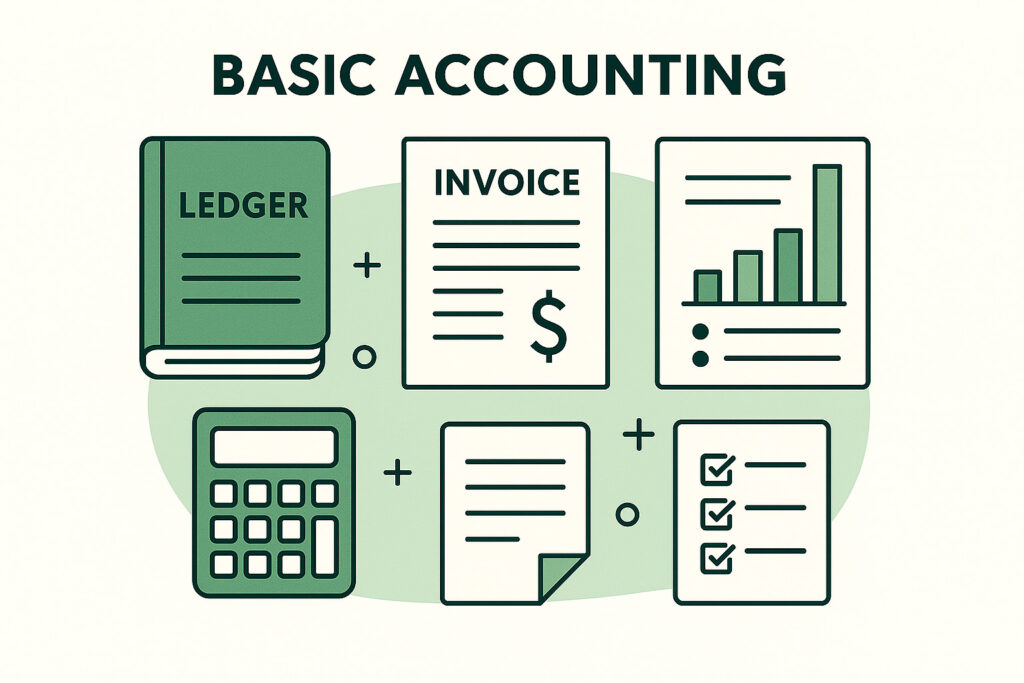
Accounting is the process of recording, classifying, summarizing, and analyzing financial transactions. Its purpose is to provide clear and accurate information about financial performance and position.
In simple terms, accounting helps answer questions such as:
- Are we making money?
- Where is the cash going?
- Can we afford to grow?
- Are we financially healthy?
The Main Types of Accounting
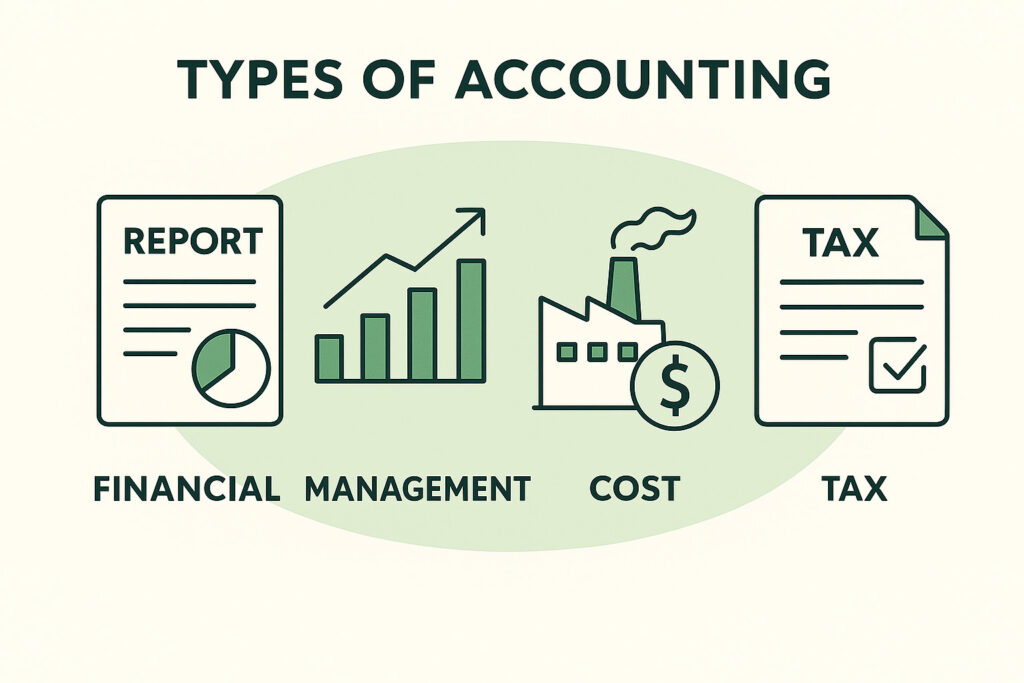
Financial Accounting
Focuses on preparing financial statements for external users such as investors, lenders, and regulators.
Management Accounting
Provides internal reports to help management plan, control, and make decisions.
Cost Accounting
Tracks and analyzes costs related to production or service delivery.
Tax Accounting
Ensures compliance with tax laws and proper calculation of taxes owed.
The Basic Accounting Equation
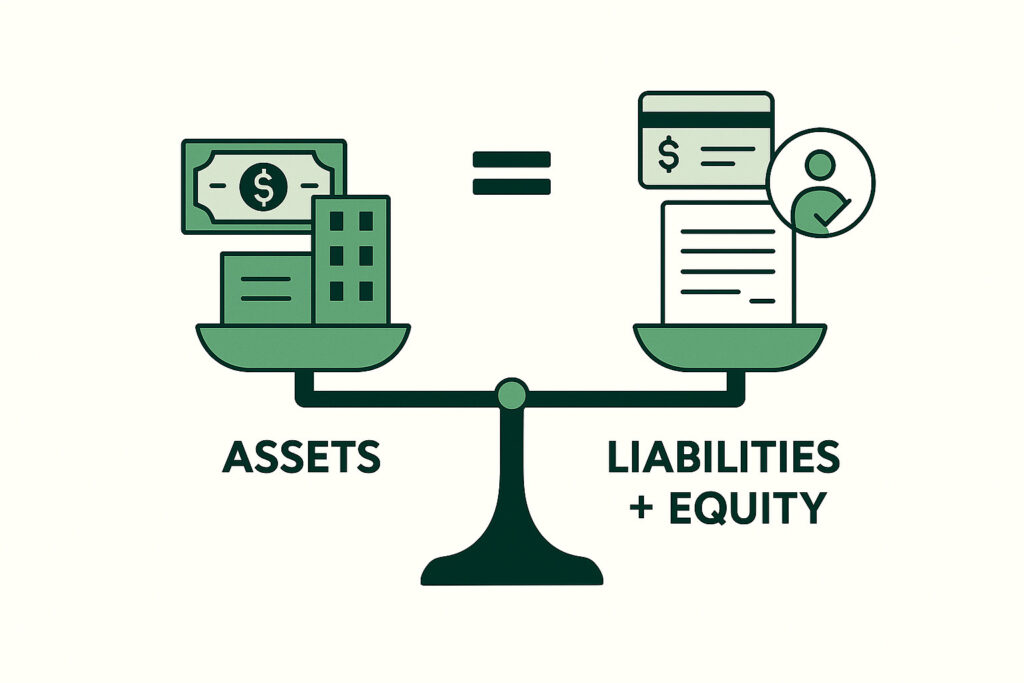
At the heart of accounting is one simple rule:
Assets = Liabilities + Equity
- Assets: What the business owns
- Liabilities: What the business owes
- Equity: The owner’s interest in the business
This equation ensures that every financial transaction is recorded in balance.
Key Financial Statements Explained Simply
Income Statement (Profit and Loss)
Shows income, expenses, and profit over a period of time.
Balance Sheet
Shows what a business owns and owes at a specific date.
Cash Flow Statement
Tracks how cash moves in and out of the business.
Together, these statements provide a complete picture of financial health.
Why Accounting Matters
1. Helps Track Business Performance
Accounting shows whether a business is profitable and highlights trends in income and expenses.
2. Improves Decision-Making
With accurate financial data, decisions about pricing, expansion, hiring, or cost control become clearer.
3. Supports Cash Flow Management
Understanding cash flow prevents liquidity problems and helps plan for upcoming expenses.
4. Ensures Legal and Tax Compliance
Proper accounting records are essential for meeting tax obligations and regulatory requirements.
5. Builds Trust with Stakeholders
Investors, lenders, and partners rely on accurate financial information to assess risk and performance.
Accounting for Individuals and Small Businesses

Accounting is not just for large corporations. For individuals and small businesses, it helps with:
- Budgeting and expense control
- Understanding profitability
- Planning savings and investments
- Avoiding financial surprises
Basic accounting knowledge empowers people to make smarter financial choices.
Common Accounting Myths
“Accounting Is Only About Numbers”
In reality, accounting is about understanding what the numbers mean.
“You Need to Be Good at Math”
Accounting relies more on logic, structure, and consistency than advanced mathematics.
“Small Businesses Don’t Need Accounting”
Even the smallest businesses need accounting to survive and grow.
Tools That Make Accounting Easier
Modern tools simplify accounting significantly:
- Cloud reporting software like BrizoSystem
- Invoicing and expense tracking apps
- Automated bank feeds and reports
These tools reduce manual work and improve accuracy.
How to Get Started with Accounting
For beginners:
- Learn basic accounting terms
- Understand financial statements
- Track income and expenses consistently
- Use simple accounting software
- Review reports regularly
Small steps can quickly build confidence and understanding.
Conclusion

Accounting doesn’t have to be complex. When broken down into simple concepts, it becomes a powerful tool for understanding financial health, making informed decisions, and building sustainable success.
Whether you’re running a business or managing personal finances, accounting matters because it provides clarity, control, and confidence in handling money. Mastering the basics is one of the smartest investments you can make.