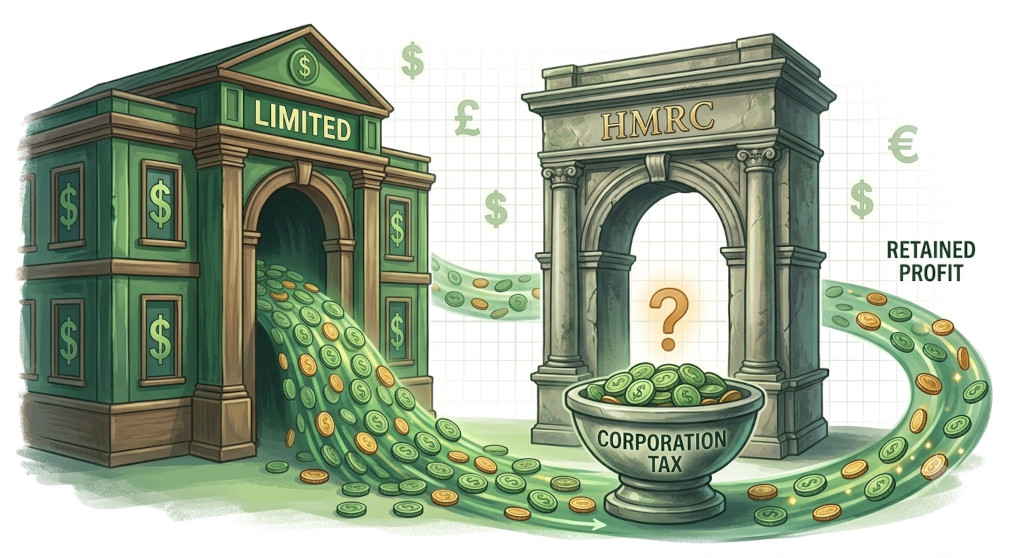
Accounting doesn’t need to be complicated, but understanding the right terminology is essential for running a successful business. Whether you’re reviewing financial statements, speaking with your accountant, or making strategic decisions, knowing basic accounting terms helps you stay in control of your finances.
This article explains the top 10 accounting terms every business owner should know, using simple language and real-world relevance.
1. Revenue

Revenue is the total income earned from selling goods or services before any expenses are deducted. It is often referred to as sales or turnover.
Why it matters:
Revenue shows how well your business is performing in the market, but it does not indicate profitability on its own.
2. Expenses
Expenses are the costs incurred to run the business, such as rent, salaries, utilities, marketing, and supplies.
Why it matters:
Controlling expenses is critical for improving profitability and maintaining cash flow.
3. Profit (Net Income)
Profit is what remains after all expenses are deducted from revenue. It reflects the true financial success of your business.
Why it matters:
Profit determines sustainability, growth potential, and returns to owners.
4. Cash Flow

Cash flow refers to the movement of cash in and out of the business during a period.
Why it matters:
A business can be profitable but still fail if it runs out of cash. Managing cash flow ensures the business can meet its obligations.
5. Assets
Assets are resources owned by the business that provide future economic benefits, such as cash, inventory, equipment, and property.
Why it matters:
Assets represent the strength and operational capability of your business.
6. Liabilities
Liabilities are obligations the business owes to others, including loans, accounts payable, and taxes owed.
Why it matters:
Understanding liabilities helps you manage debt and avoid financial risk.
7. Equity

Equity represents the owner’s interest in the business after liabilities are deducted from assets.
Why it matters:
Equity shows how much of the business truly belongs to the owner and reflects accumulated profits or losses.
8. Accounts Receivable
Accounts receivable refers to money owed to the business by customers who have purchased goods or services on credit.
Why it matters:
Monitoring receivables helps ensure timely collections and healthy cash flow.
9. Accounts Payable
Accounts payable refers to amounts the business owes to suppliers for goods or services purchased on credit.
Why it matters:
Managing payables helps maintain good supplier relationships and avoid late payment penalties.
10. Balance Sheet
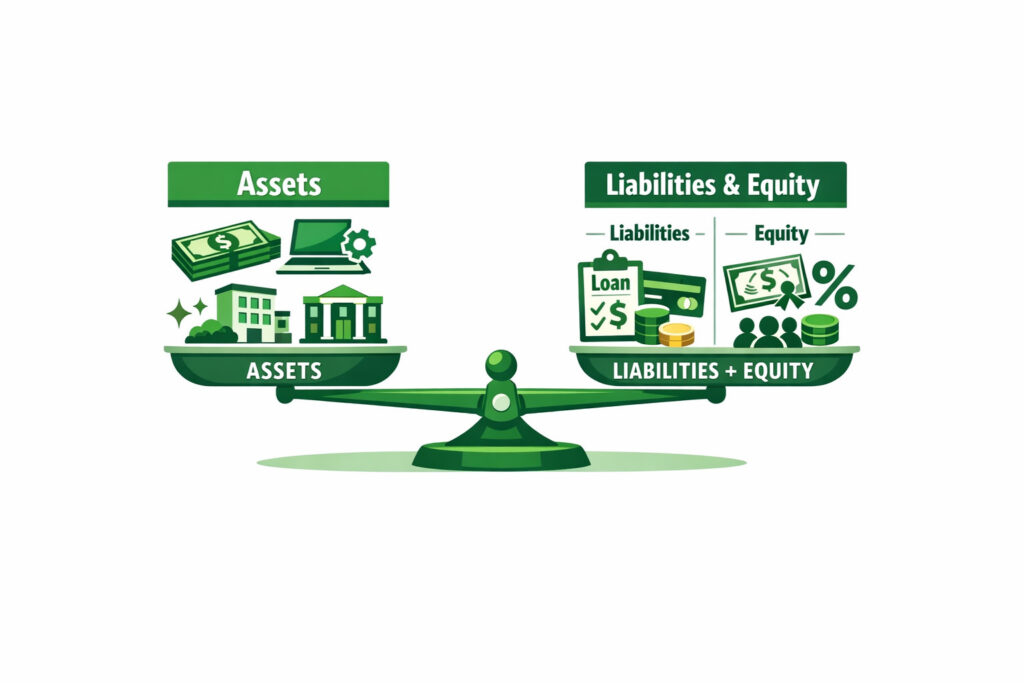
The balance sheet is a financial statement that shows the business’s assets, liabilities, and equity at a specific point in time.
Why it matters:
It provides a snapshot of financial health and stability.
Why These Accounting Terms Matter for Business Owners
Understanding these terms allows business owners to:
- Read financial reports confidently
- Make informed financial decisions
- Communicate effectively with accountants and bankers
- Monitor business performance and risks
Accounting knowledge is a powerful tool that supports growth and sustainability.
Conclusion

You don’t need to be an accountant to run a successful business, but you do need to understand the basics. These ten accounting terms form the foundation of financial literacy for business owners.
By mastering these concepts, you gain better control over your finances, make smarter decisions, and build a stronger, more resilient business.