Category: Financial Statements

  • Understanding the Income Statement: A Complete Guide to Profit & Loss for SMEs

    Understanding the Income Statement: A Complete Guide to Profit & Loss for SMEs

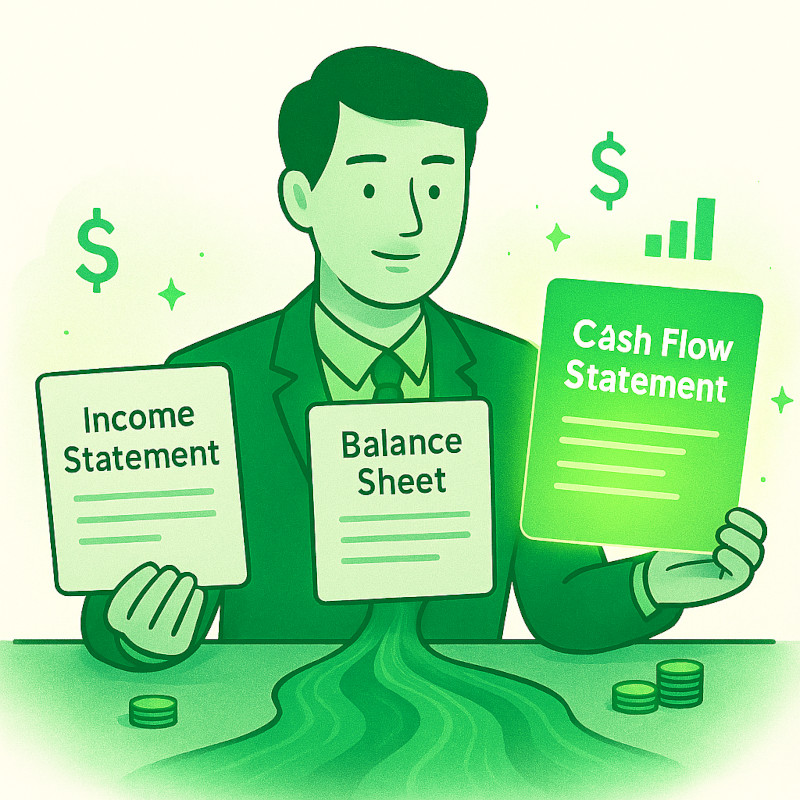
    If you have ever stared at your bank balance thinking the business is doing fine, only to discover at year end that you barely broke even, you already understand why the income statement matters. The Profit & Loss report — more formally the income statement — is the financial document that tells you, with unambiguous clarity, whether your business made or lost money over a given period. It is one of the three core financial statements every business produces, alongside the balance sheet and the cash flow statement, and for most SME owners it is the most immediately useful of the three.

    What Is an Income Statement (Profit & Loss)?

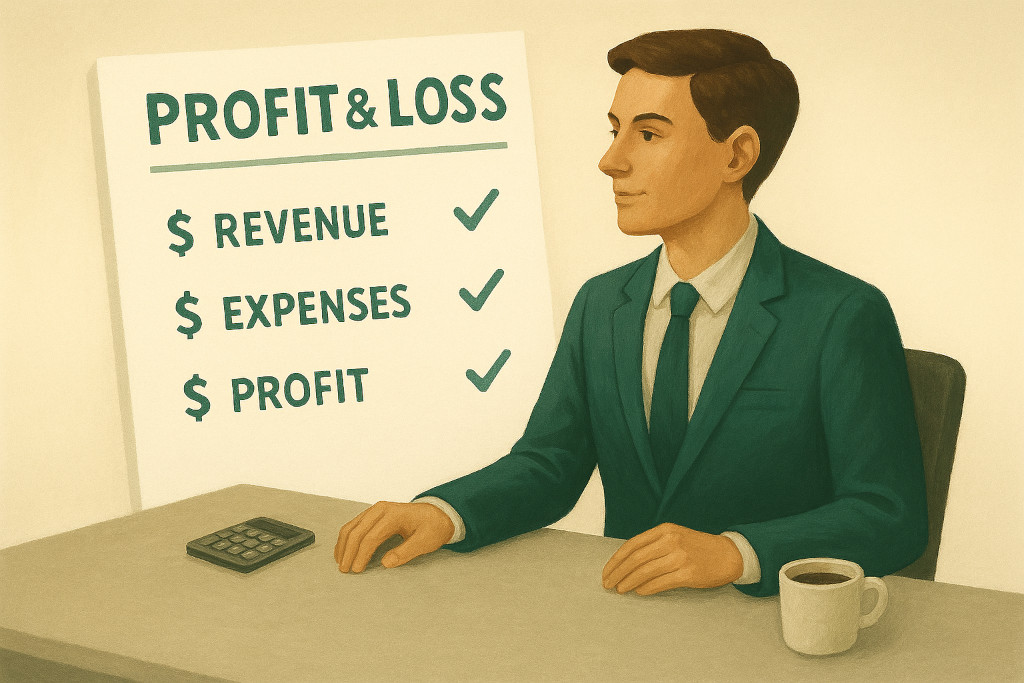
    The income statement — also called the Profit & Loss report, or simply the P&L — is a summary of a company’s revenues and expenses over a specific period, typically a month, a quarter, or a financial year. The end result is either a net profit (income exceeded expenses) or a net loss (expenses exceeded income).

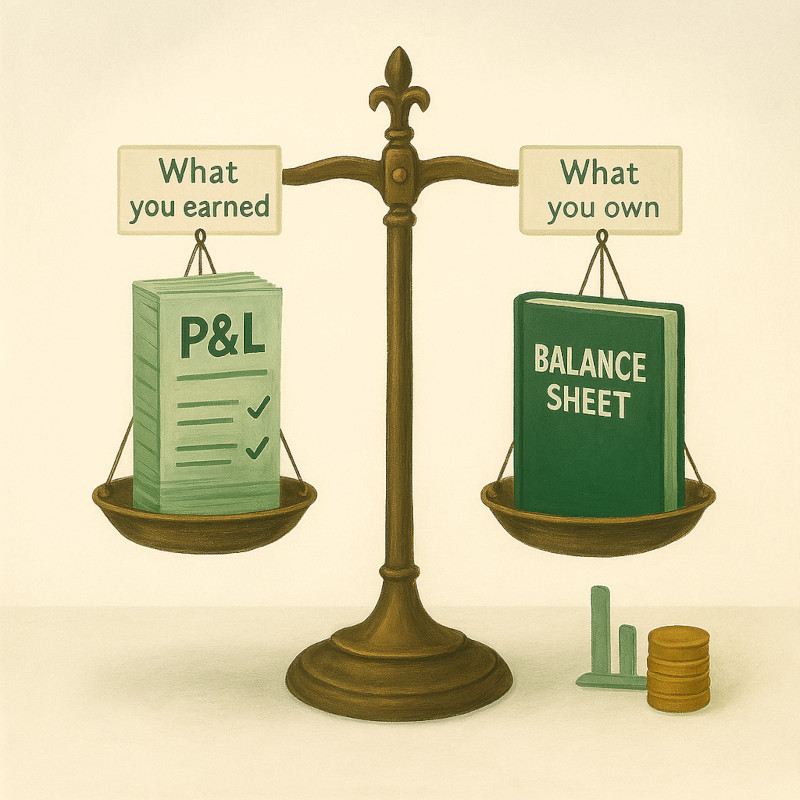
    Unlike the balance sheet, which captures the financial position of a business at a single point in time, the income statement covers a period of time. Think of it this way: the balance sheet is a photograph; the income statement is a film reel. One shows you where things stand today; the other shows you how you got there.

    For SME owners, the income statement answers the most pressing operational question: are we profitable? It also underpins decisions about pricing, hiring, cost control, and investment — which is why understanding how to read one is an essential skill, not just an accountant’s concern.

    The Structure of an Income Statement

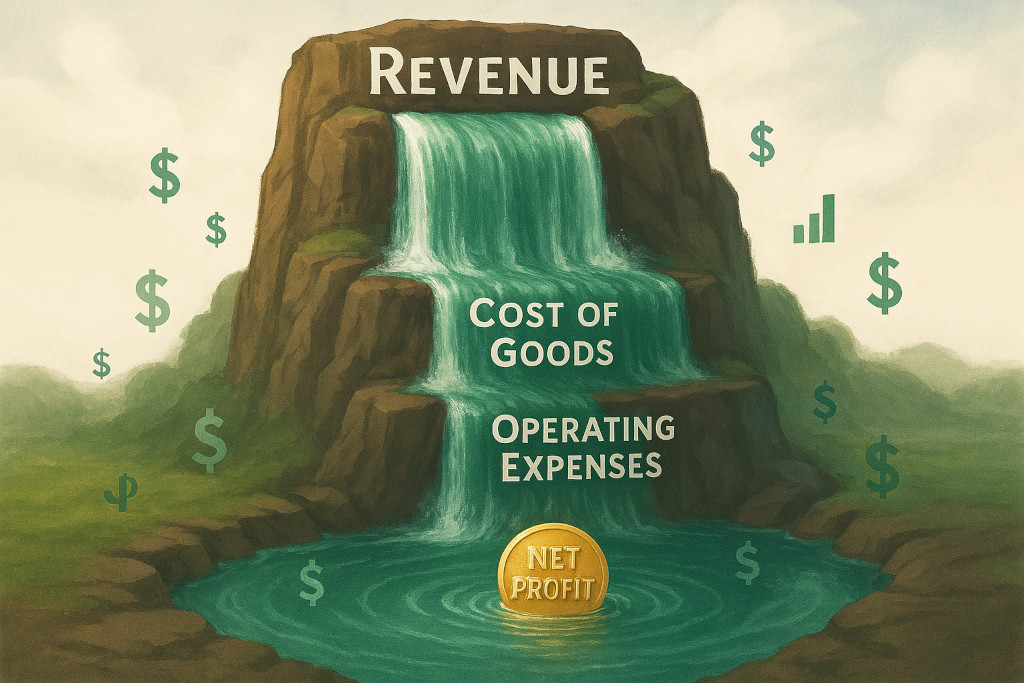
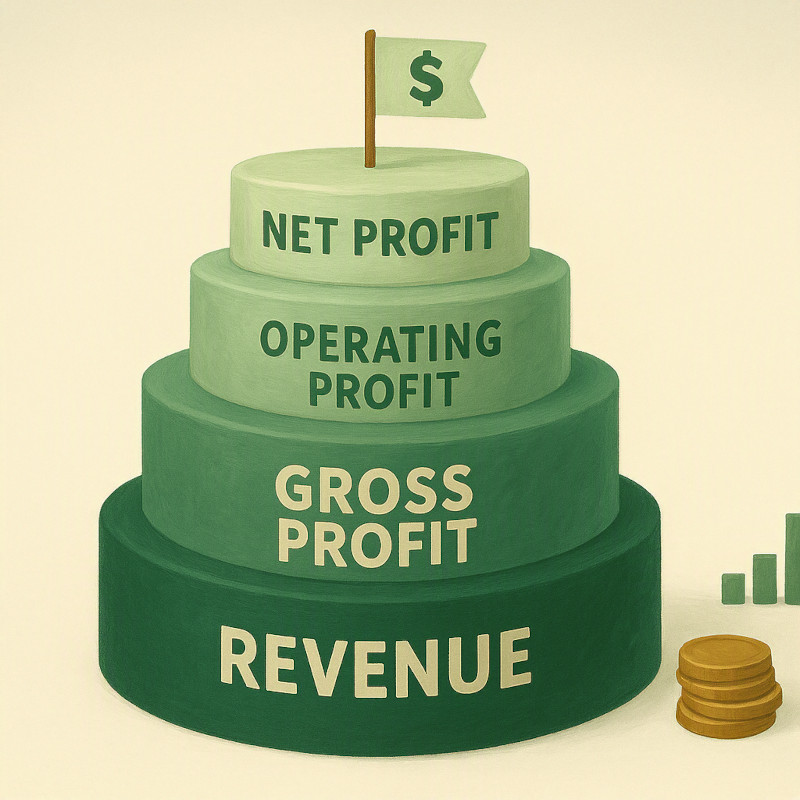
    Most income statements follow the same top-to-bottom structure, moving from total revenue down through layers of deductions until a final profit figure is reached. Each layer has a specific name and meaning.

    Revenue (Turnover)

    Revenue is the total income your business generated from its core trading activities — selling goods, providing services, or both. This is sometimes called “turnover” or “sales”. It is recorded at the top of the statement and is often called the “top line”.

    Cost of Goods Sold (COGS) / Cost of Sales

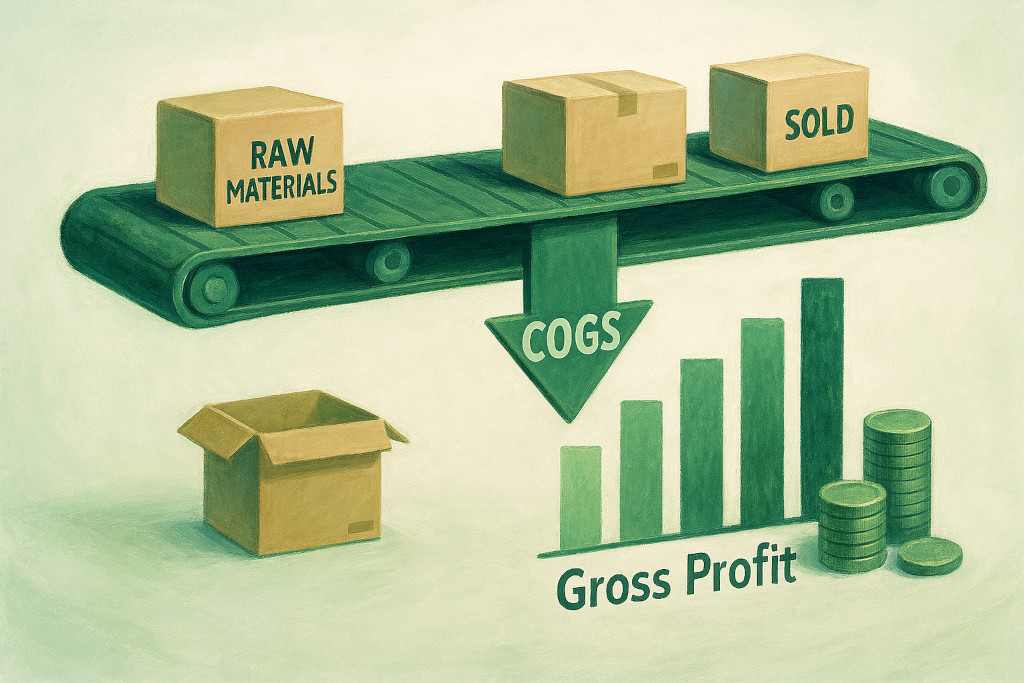
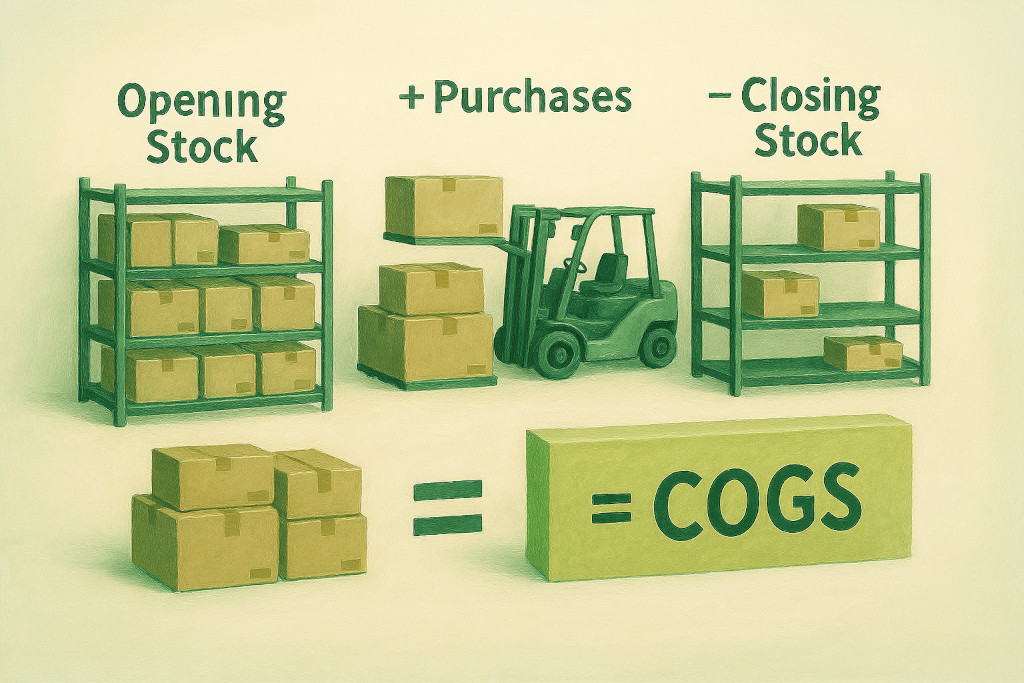
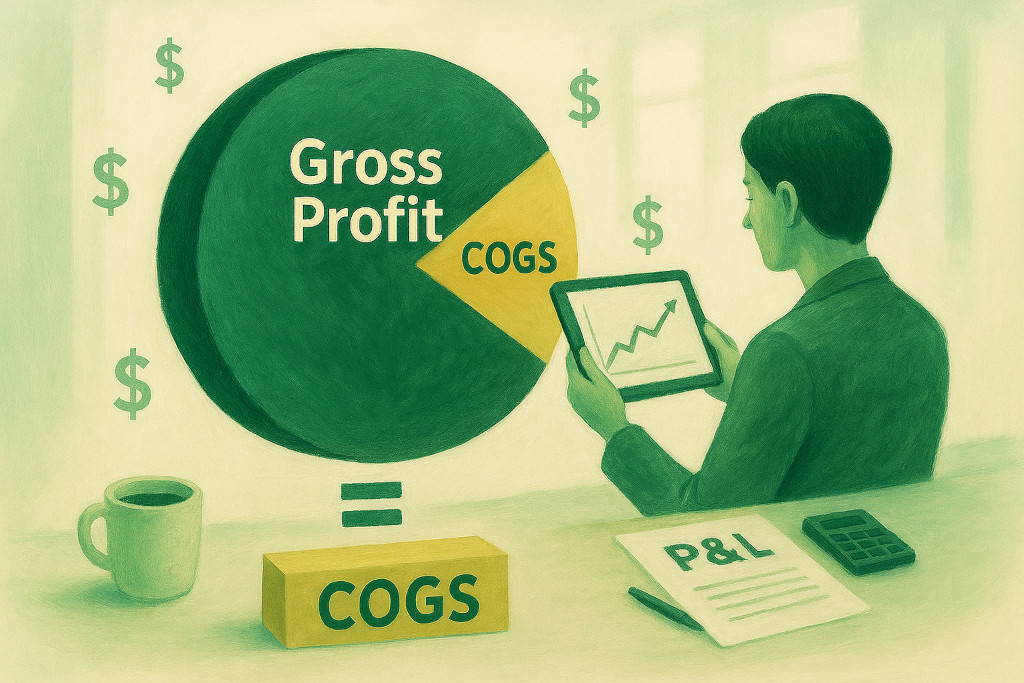
    Directly beneath revenue sits the cost of producing what you sold. For a product-based business, this is raw materials, manufacturing costs, and direct labour. For a service business, it might be the direct cost of delivering a project. Subtracting COGS from Revenue gives you Gross Profit.

    Gross Profit and Gross Margin

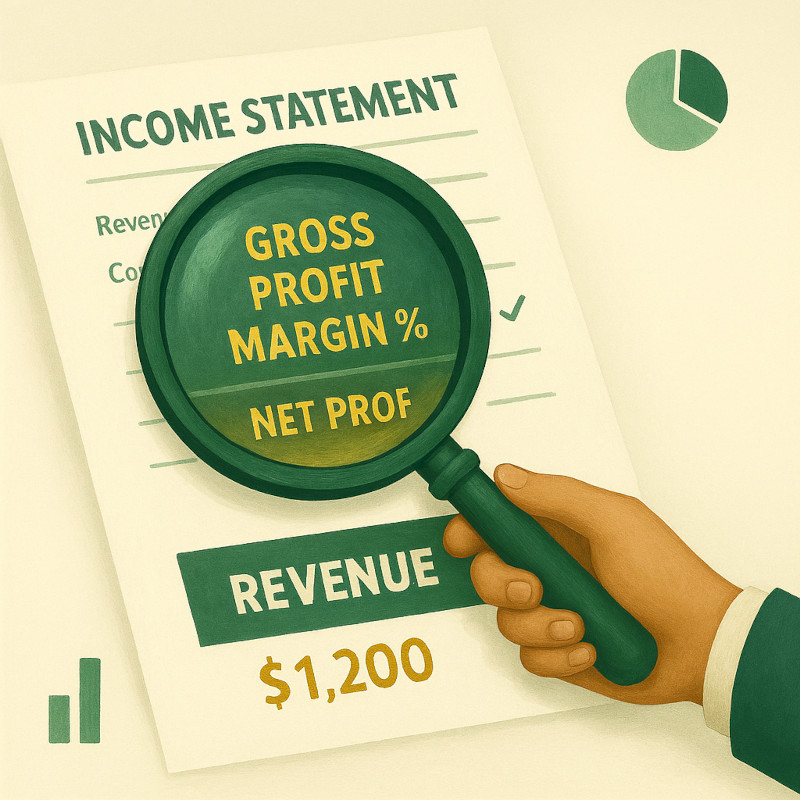
    Gross profit shows how efficiently you convert revenue into profit before you account for overhead. Gross margin — expressed as a percentage — is one of the most watched metrics in any business:

    Gross Margin % = (Gross Profit ÷ Revenue) × 100

    Operating Expenses

    Also called overheads, these are costs that keep the business running but are not directly tied to producing individual units of revenue. Rent, salaries, marketing, software subscriptions, and utilities are common examples. Subtracting these from Gross Profit gives you Operating Profit (also called EBIT — Earnings Before Interest and Tax).

    Interest and Tax

    Below operating profit, you deduct interest on any debt the business carries, and then corporation tax (or income tax in a sole trader context). The result is Net Profit — the much-discussed “bottom line”.

    Line ItemExample (£)What It Tells You
    Revenue500,000Total sales generated in the period
    Cost of Goods Sold(200,000)Direct cost of products/services sold
    Gross Profit300,000Profit before overheads (60% gross margin)
    Operating Expenses(180,000)Salaries, rent, marketing, admin
    Operating Profit (EBIT)120,000Profit from trading before interest & tax
    Interest Expense(10,000)Cost of business borrowing
    Tax(27,500)Corporation tax at 25%
    Net Profit82,500What the business ultimately earned

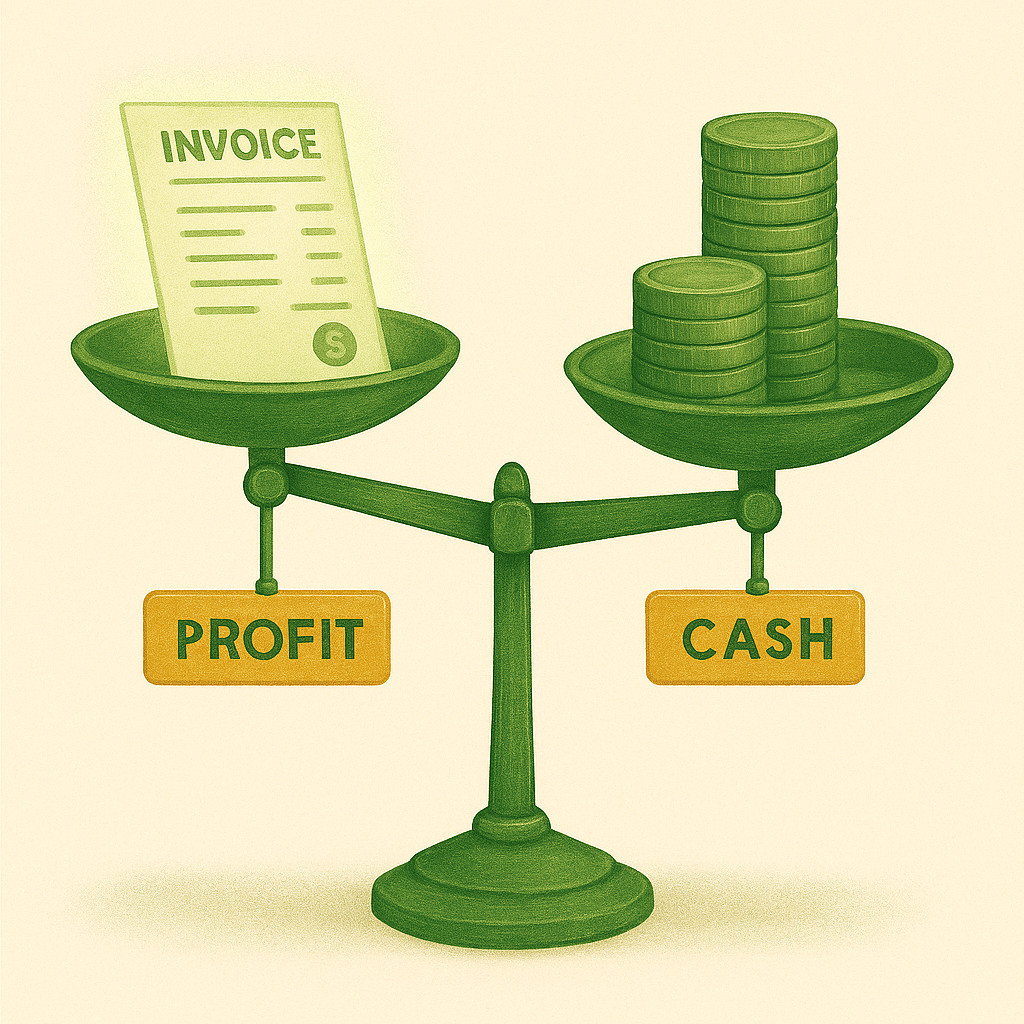
    The income statement does not tell you how much cash the business has in the bank — it tells you how much value it created. A business can be highly profitable on paper yet still run out of cash. That is why the P&L and the cash flow statement must always be read together.

    Income Statement vs Balance Sheet: What’s the Difference?

    One of the most common sources of confusion for new business owners is the relationship between the income statement and the balance sheet. They report different things and serve different purposes, but they are deeply connected.

    The balance sheet shows what your business owns (assets) and owes (liabilities) at a specific date, with the difference being equity. The income statement shows what your business earned and spent over a period of time. The connection between them is this: the net profit from the income statement flows directly into retained earnings on the balance sheet, increasing owner’s equity.

    If the accounting equation — Assets = Liabilities + Equity — is new to you, the Accounting Equation Explained article on this site is an excellent starting point for understanding how the P&L feeds into the wider financial picture.

    For group companies with multiple subsidiaries, the picture becomes more complex: the income statement of each entity must be consolidated, and intra-group transactions — such as one subsidiary selling services to another — must be eliminated to avoid double-counting revenue. BrizoConsol’s guide on why intercompany transactions are eliminated in financial consolidation covers this in practical detail for anyone managing a multi-entity structure.

    How to Read and Analyse Your P&L

    Reading the bottom line is only the beginning. The real value of the income statement comes from tracking ratios and trends over time.

    Key ratios to watch

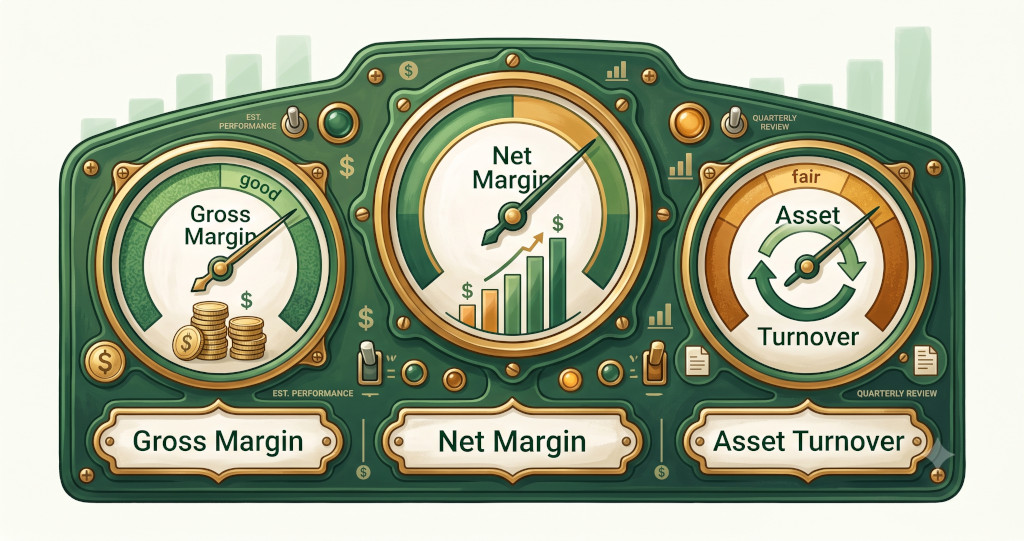
    • Gross Margin % — measures how efficiently you produce revenue. A falling gross margin over several periods suggests either rising costs or pricing pressure.
    • Operating Margin % — Operating Profit ÷ Revenue. Shows how well the business controls overheads relative to revenue.
    • Net Profit Margin % — Net Profit ÷ Revenue. The truest measure of overall profitability after all deductions.
    • Expense Ratios — individual overhead categories as a percentage of revenue (e.g. staff costs ÷ revenue). Useful for spotting where costs are creeping up.

    Comparative analysis

    A single month’s P&L in isolation tells you relatively little. The power comes from comparison: this month vs last month, this quarter vs the same quarter last year, or actual results vs budget. Most accounting software will produce a comparative P&L automatically — the habit of reviewing it regularly is what converts raw numbers into actionable decisions.

    When your income statement is looking healthy but cash is still tight, the issue usually lies in the timing of when money moves — receivables, payables, or stock. The cash flow statement guide on Accounting Reports Daily explains exactly how to reconcile the gap between profit and cash.

    Common Income Statement Mistakes SMEs Make

    Even with good accounting software, a few persistent errors can distort the picture your income statement is painting.

    1. Mixing capital and revenue expenditure. Buying a piece of equipment is not an operating expense — it is a capital asset. Recording it as an expense in the P&L overstates costs and understates profit in the period.
    2. Recording revenue too early. Under accruals accounting, revenue is recognised when it is earned — when goods are delivered or services rendered — not when cash is received. Recognising revenue early inflates profit in the wrong period.
    3. Ignoring accruals and prepayments. If you pay your annual insurance premium in January, only one-twelfth of that cost belongs in each month’s P&L. Failing to spread costs correctly creates lumpy, misleading results.
    4. Not reconciling to the bank. It is surprisingly easy for transactions to be miscoded, omitted, or duplicated. A monthly bank reconciliation catches errors before they compound.
    5. Reviewing only once a year. The income statement is most useful as a management tool when reviewed monthly. Annual reviews are too slow to catch problems while there is still time to act.

    For SMEs that operate across multiple entities or jurisdictions, there is a further complexity: ensuring that the chart of accounts — the taxonomy of every revenue and expense category — is consistently structured. BrizoConsol’s detailed guide on how to design a common chart of accounts for multi-entity groups is a practical resource for finance teams trying to produce comparable P&Ls across the group.


    Key Takeaways

    • The income statement (Profit & Loss report) summarises revenue, expenses, and profit over a specific period — it is a film reel, not a photograph.
    • It flows from Revenue → Gross Profit → Operating Profit → Net Profit, with each line revealing a different layer of performance.
    • Gross margin, operating margin, and net profit margin are the three ratios to track consistently over time.
    • The P&L connects to the balance sheet through retained earnings: net profit increases owner’s equity.
    • Profit on the income statement is not the same as cash in the bank — always read the P&L alongside the cash flow statement.
    • Common errors include mixing capital and revenue expenditure, recognising revenue too early, and failing to accrue costs correctly.
    • Monthly review, not annual, is what makes the income statement genuinely useful as a management tool.

    Related reading: For a deeper understanding of how the income statement sits within the full set of financial statements, see our guides on the Balance Sheet: Structure and Key ElementsUnderstanding the Cash Flow Statement, and Cash Flow Forecasting for SMEs.

  • Cash Flow Forecasting for SMEs: A Practical Step-by-Step Guide

    Cash Flow Forecasting for SMEs: A Practical Step-by-Step Guide

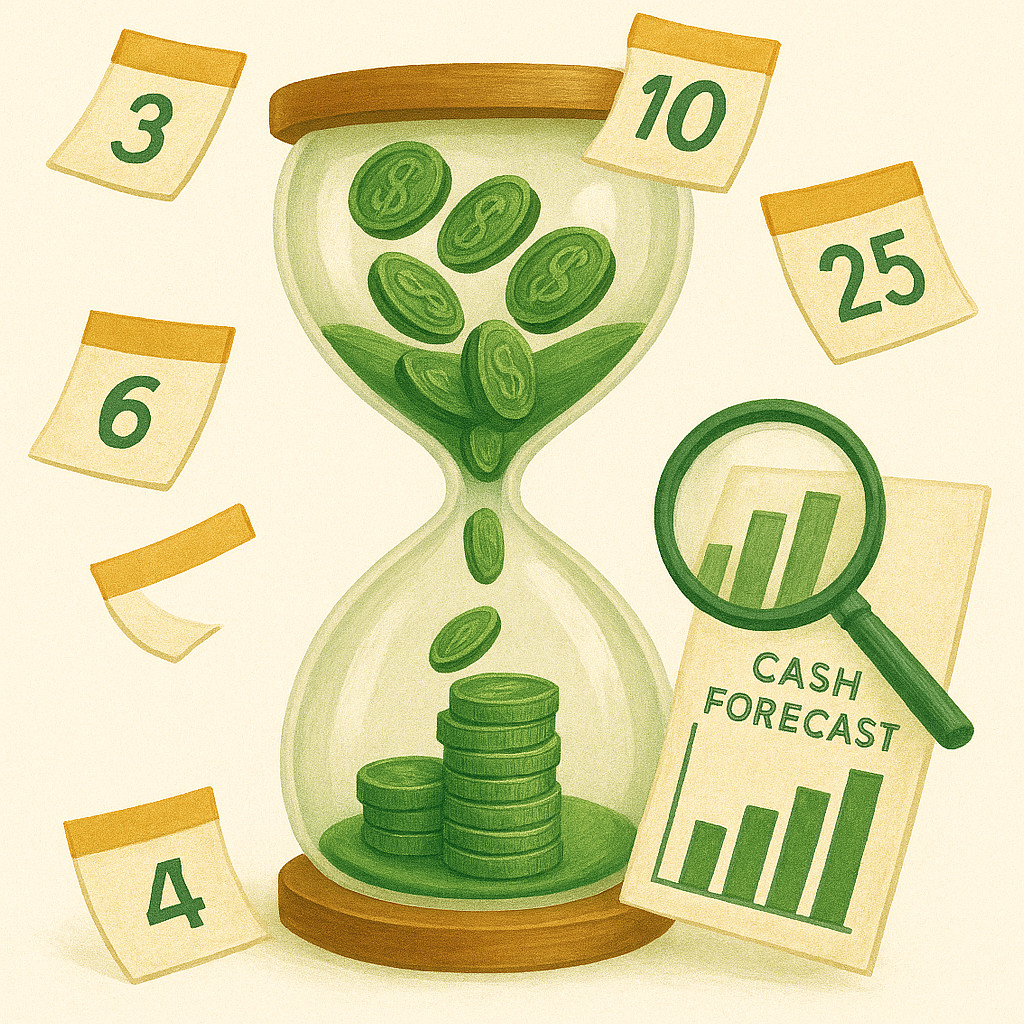
    Running out of cash while your profit and loss looks healthy is one of the most common — and most avoidable — crises facing small business owners. The culprit, more often than not, is the absence of a simple cash flow forecast. Unlike a profit and loss statement that tells you what you earned, a cash flow forecast tells you what you have — and when. For SME owners managing tight margins and unpredictable payment cycles, it may be the single most valuable financial tool you can build.

    What Is Cash Flow Forecasting?

    A cash flow forecast is a forward-looking estimate of when money will enter and leave your business over a defined period — typically the next 12 weeks, three months, or 12 months. It is not a P&L. It is not a budget. It is a living, rolling projection of your actual bank position at any given point in time.

    The forecast accounts for the timing of cash movements: when a customer actually pays an invoice, not just when it was raised; when a supplier is actually paid, not just when the cost was incurred. That distinction — timing — is what makes cash flow forecasting so powerful and so different from any other financial report.

    For a small business with, say, £20,000 in monthly costs, knowing you have £50,000 of invoices outstanding is reassuring — until you discover that none of them are due for 60 days, and your payroll runs in 12. A cash flow forecast surfaces that gap before it becomes a crisis.

    “Revenue is vanity, profit is sanity, cash is reality.” — This old finance adage endures because it is precisely true. A business can be profitable and still become insolvent. Cash flow forecasting is the tool that keeps reality in view.

    Cash Flow vs Profit: Why the Difference Matters

    Many business owners conflate profit with cash. They are related — but they are not the same thing, and treating them as interchangeable is a common and costly mistake.

    Profit is an accounting concept. It represents revenue minus expenses for a given period, calculated on an accruals basis. That means income is recognised when it is earned and costs when they are incurred, regardless of when actual money changes hands.

    Cash flow, by contrast, is entirely about movement. It records money in and money out — the actual bank debits and credits as they happen. Consider a business that invoices a client £10,000 in January but is not paid until March. The profit and loss shows the revenue in January. The cash flow statement shows the receipt in March. For two months, that £10,000 exists on paper only.

    Other factors that drive a wedge between profit and cash include capital expenditure (buying an asset reduces cash but is not immediately a P&L expense), loan repayments (repaying principal reduces cash but is not a P&L cost), and VAT collected on behalf of HMRC (it sits in your bank account but was never your money to spend).

    Understanding this distinction is covered in more depth in Accounting Basics: The Balance Sheet — Structure and Key Elements, which explains how assets, liabilities, and equity interact across your financial statements.

    How to Build a Simple Cash Flow Forecast

    You do not need sophisticated software to start forecasting. A spreadsheet — or even a piece of paper — will do. The structure is straightforward: opening balance, add expected cash inflows, subtract expected cash outflows, arrive at a closing balance. That closing balance becomes next month’s opening balance.

    The table below shows a simple three-month forecast for a fictional SME with predictable revenues and a known equipment purchase in Month 2:

    ItemMonth 1 (£)Month 2 (£)Month 3 (£)
    Opening Cash Balance12,00010,500-1,000
    Customer receipts22,00018,00025,000
    Other income (grants, interest)50000
    Total Inflows22,50018,00025,000
    Payroll & employer costs11,00011,00011,000
    Rent & utilities3,5003,5003,500
    Supplier payments6,5004,0005,000
    Equipment purchase011,0000
    VAT payment to HMRC3,00003,000
    Total Outflows24,00029,50022,500
    Closing Cash Balance10,500-1,0001,500

    Month 2’s closing balance of -£1,000 is a red flag — a projected overdraft. Without this forecast, the business owner might not realise the shortfall until payroll day arrives and the account is empty. With the forecast in hand, they have weeks to act: delay the equipment purchase, chase outstanding invoices, or arrange a short-term credit facility before the crisis hits.

    When building your own forecast, use your bank statements and sales pipeline as source data, not your P&L. Apply your actual payment terms — if customers typically pay 45 days after invoice, model the receipts accordingly. Be conservative with inflows and realistic with outflows.

    Common Cash Flow Traps — and How to Avoid Them

    Even businesses with a forecast can fall into predictable traps. Knowing them in advance is half the battle.

    Late-paying customers. The most common cash flow disruptor. If your payment terms are 30 days but your average debtor days run at 55, your forecast needs to reflect the reality, not the policy. Track your debtor days regularly and follow up on overdue invoices systematically. Consider early payment discounts or invoice financing if late payment is structural.

    Seasonal revenue gaps. Many businesses have predictable slow periods — retail slumps in January, construction pauses in winter, professional services quiet in August. Map your seasonal pattern and ensure your forecast extends far enough to capture the troughs. Build a cash buffer during strong months to carry you through weak ones.

    Overtrading. Growing faster than your working capital supports is a genuine risk. If you win a large new contract, you may need to pay suppliers and staff weeks before your client pays you. Forecast the cash impact of growth, not just the revenue. If you are curious about the different ways businesses raise working capital, Understanding Funding in Accounting: Shares, Debts, and Financing Options explains the landscape clearly.

    Forgetting non-monthly outflows. Annual insurance premiums, quarterly VAT payments, Corporation Tax, professional membership renewals — these are easy to forget when building a forecast. List every annual and irregular obligation at the start of the year and spread them into the relevant months.

    Treating the forecast as static. A forecast that is never updated is worse than no forecast at all — it gives false confidence. Review and update your forecast at least monthly, comparing actuals against projections and rolling it forward.

    Turning Your Forecast Into Action

    A cash flow forecast is only useful if it drives decisions. Here is how to make yours actionable:

    Set a minimum cash threshold — the floor below which your closing balance should never fall. For most SMEs, this is at least one month of fixed costs. If the forecast shows you approaching that floor, it triggers an immediate action review.

    Use your forecast to time major purchases. Capital expenditure, hiring decisions, or marketing campaigns should be modelled into the forecast before they are committed. If a purchase creates a dangerous cash trough, you can either defer it, phase it, or arrange financing in advance.

    Share a simplified version with your bank or accountant. Lenders are far more receptive to a facility request when it is supported by a well-constructed forecast showing the timing and recovery of a shortfall. It demonstrates management competence and reduces lending risk.

    Finally, as your business grows and you begin operating across multiple entities or locations, the complexity of cash forecasting increases. At that stage, having a clear consolidated picture of group finances becomes essential — not just individual entity forecasts, but a coherent group view.


    Key Takeaways

    • A cash flow forecast projects your actual bank balance over time — it is not a P&L or a budget.
    • Profit and cash are different. You can be profitable and still run out of money if the timing of receipts and payments does not align.
    • The basic structure is: Opening Balance + Cash Inflows − Cash Outflows = Closing Balance, rolled forward month by month.
    • Model inflows conservatively based on actual debtor payment behaviour, not your stated payment terms.
    • Include all irregular outflows — VAT, Corporation Tax, annual premiums — in the months they actually fall.
    • Review and update your forecast at least monthly, comparing actuals to projections.
    • Use the forecast to drive decisions: timing purchases, chasing debtors, and arranging finance before — not after — a crisis arrives.

    Related reading: If you are building your financial literacy alongside your forecasting skills, these posts are a useful next step. The Balance Sheet: Structure and Key Elements explains the financial statement that provides the context for your cash position. Why Every SME Owner Needs Basic Accounting Knowledge makes the case for financial literacy at every level of business ownership. Understanding Funding in Accounting walks through the options when your forecast reveals a shortfall that requires external finance. And for a grounding in the core terminology you will encounter across all these areas, Top 10 Accounting Terms Every Business Owner Should Know is the right place to start.

  • Understanding the Cash Flow Statement: Your Business’s Financial Pulse

    Understanding the Cash Flow Statement: Your Business’s Financial Pulse

    A profitable business can still run out of cash — and that is one of the most common reasons small businesses fail. The cash flow statement is the financial report that cuts through the noise and shows whether money is actually moving in and out of your business, separate from accounting profit. If you can read it confidently, you hold one of the most powerful diagnostic tools in finance.

    This guide walks you through each section of the cash flow statement, how to read it, and what warning signs to watch for.

    What Is a Cash Flow Statement?

    The cash flow statement — formally called the Statement of Cash Flows — is one of the three core financial statements, alongside the income statement and the balance sheet. Where the income statement tells you whether the business is profitable, and the balance sheet shows what it owns and owes at a point in time, the cash flow statement answers a simpler question: where did the cash come from, and where did it go?

    Under both IFRS (IAS 7) and US GAAP (ASC 230), companies are required to include a statement of cash flows in their financial reporting. It covers a defined reporting period — typically a quarter or a full financial year.

    Why this mattersA company can report healthy net profit on its income statement while simultaneously draining cash. This happens when revenue is recognised before cash is received — a feature of accrual accounting. The cash flow statement reveals this gap, showing the real liquidity position behind the reported numbers.

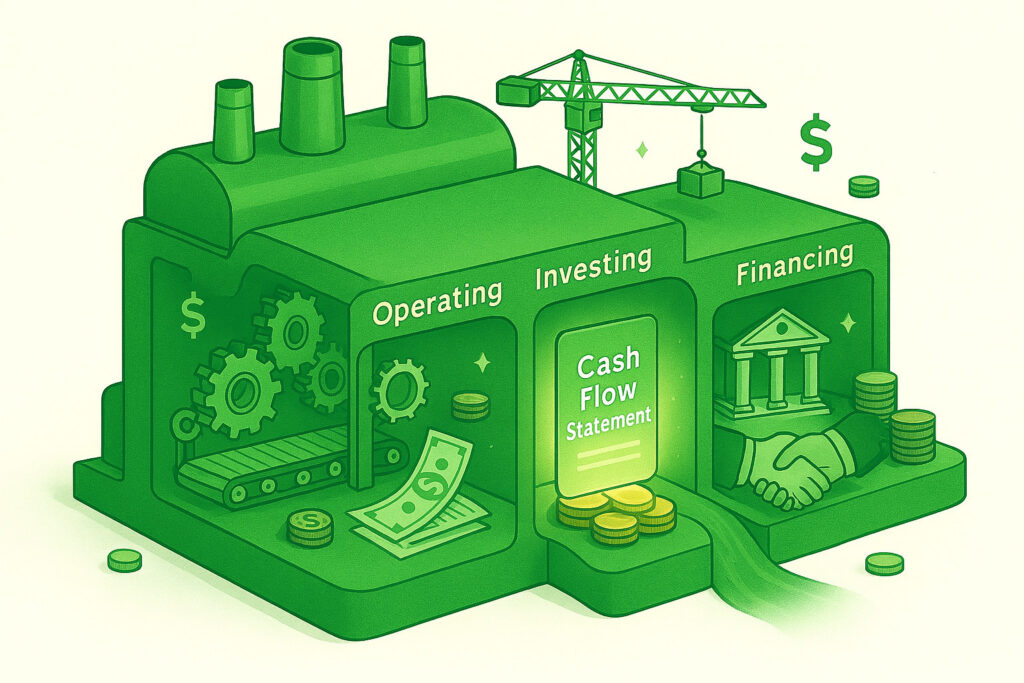
    The Three Sections of a Cash Flow Statement

    Every cash flow statement is divided into three sections. Each one tells a different part of the story.

    Operating Activities

    This section covers cash generated or consumed by the core business — selling goods or services, paying suppliers, covering wages, and settling taxes. It is the most telling section, because it shows whether the business model is self-sustaining without relying on external funding or asset sales.

    Typical items include cash received from customers, cash paid to suppliers and employees, interest paid, and income tax paid.

    Investing Activities

    Investing cash flows show how the business deploys capital for long-term growth — buying or selling property, equipment, or other businesses. A negative figure here is not automatically bad; it often means the company is actively investing in its future capacity.

    Common items include purchase of property and equipment (capital expenditure), proceeds from asset sales, and acquisitions.

    Financing Activities

    This section tracks how the business raises and repays capital. It covers borrowing, loan repayments, share issuances, and dividends paid to shareholders. For groups with multiple entities, the financing section can become more complex — intercompany loans, for example, need to be eliminated when preparing consolidated statements. BrizoConsol has a useful explainer on why intercompany transactions are eliminated in consolidation if that applies to your situation.

    A Worked Example: Maple Goods Ltd

    Below is a simplified cash flow statement for a fictional SME, Maple Goods Ltd, for the year ended 31 December 2025.

    Line Item£000
    Operating Activities
    Cash received from customers1,840
    Cash paid to suppliers(960)
    Cash paid to employees(420)
    Income tax paid(55)
    Net cash from operating activities405
    Investing Activities
    Purchase of equipment(250)
    Proceeds from sale of old vehicle18
    Net cash used in investing activities(232)
    Financing Activities
    Loan repayment(80)
    Dividends paid(30)
    Net cash used in financing activities(110)
    Net increase in cash and equivalents63
    Opening cash balance142
    Closing cash balance205

    Maple Goods Ltd generated a solid £405k from its core operations, invested £232k back into the business, and met all its financing obligations — ending the year £63k richer in cash. This is a healthy, sustainable pattern: operations fund everything else.

    Direct vs Indirect Method: What Is the Difference?

    There are two ways to present the operating activities section. The investing and financing sections are always presented the same way — only operating activities differ between methods.

    The direct method lists actual cash receipts and payments — cash in from customers, cash out to suppliers, and so on. It is more transparent and easier to understand at a glance. IFRS encourages this approach but permits either.

    The indirect method starts with net profit and adjusts for non-cash items (such as depreciation and amortisation) and changes in working capital (receivables, payables, inventory). This is the most commonly used method in practice because it ties directly back to the income statement and is faster to prepare from standard accounting records.

    The example above uses the direct method. Most published company accounts use the indirect method — always check the notes to confirm which is applied when reading external financial statements.

    How to Analyse a Cash Flow Statement

    Once you can read the statement, the next step is knowing what to look for. Here are five key questions to ask.

    1. Is operating cash flow positive? A consistently negative operating cash flow is a warning sign — the business is burning cash on its core operations and relying on external funding or asset sales to survive.
    2. How does operating cash flow compare to net profit? If profit is high but operating cash flow is low, look for rising receivables or inventory — cash is being trapped in the working capital cycle rather than landing in the bank.
    3. Is investing activity appropriate for the stage of the business? Heavy capital expenditure in a growing company is expected. In a declining one, continued capex without matching revenue growth is a concern.
    4. Is financing sustainable? A business that constantly raises new debt or equity to fund day-to-day operations is not self-sufficient. Healthy businesses fund operations from operations.
    5. What is the free cash flow? Free Cash Flow = Operating Cash Flow minus Capital Expenditure. This is the cash left over after maintaining and growing the asset base — the truest measure of a business’s cash generation for investors and lenders.

    For businesses operating across multiple entities or currencies, cash flow analysis gets more complex. Currency translation differences, for instance, can affect how cash balances are reported at group level. BrizoConsol’s guide on calculating the Cumulative Translation Adjustment in group consolidation covers this in detail.

    Common Mistakes to Avoid

    Even experienced managers misread cash flow statements. These are the most common pitfalls.

    Confusing profit with cash. Accrual accounting means you can invoice a client today and wait 90 days for payment. Reported profit goes up the moment the invoice is raised; cash does not arrive until payment is received. Always track these separately.

    Ignoring the timing of cash flows. A seasonal business may be highly profitable on an annual basis but dangerously cash-thin during off-peak months. Cash flow forecasting — looking forward — is just as important as reading historical statements.

    Overlooking working capital signals. Growing receivables or inventory can silently drain cash even as profits rise. In the indirect method, these movements appear explicitly in the operating section. Pay close attention to them.

    Treating all capex as straightforwardly positive. Capital expenditure consumes real cash today. A business that over-invests in assets without matching revenue growth can become cash-constrained despite healthy reported profits.

    Key takeawayThe cash flow statement is not a standalone document — it works best read alongside the income statement and the balance sheet. The three together give you a complete picture of financial health: profitability, net worth, and liquidity.

    Summary: Key Points to Remember

    • The cash flow statement has three sections: operating, investing, and financing activities.
    • A profitable business can still fail if it runs out of cash — this report reveals that risk.
    • Strong, positive operating cash flow is the hallmark of a financially self-sustaining business.
    • The indirect method (most common) starts with net profit and adjusts for non-cash items and working capital movements.
    • Free Cash Flow = Operating Cash Flow − Capital Expenditure. It is the clearest measure of cash generation available to reinvest or return to shareholders.
    • Always read all three financial statements together for a complete view.

    Related reading on Accounting Reports Daily:
    Accounting Basics: The Balance Sheet — Structure and Key Elements
    International Financial Reporting Standards (IFRS): A Complete Guide
    Understanding Funding in Accounting: Shares, Debts, and Financing Options

  • Accounting Basics: The Balance Sheet: Structure and Key Elements

    Accounting Basics: The Balance Sheet: Structure and Key Elements

    Understanding financial statements is crucial for anyone learning accounting or managing a business. Among these statements, the balance sheet holds a special place because it provides a snapshot of a company’s financial health at a specific point in time. This blog will explain the structure of a balance sheet, its key elements, and why it matters.

    What Is a Balance Sheet?

    Understanding the Balance Sheet

    A balance sheet is one of the primary financial statements used in accounting. It shows a company’s assets, liabilities, and equity at a specific date. Essentially, it answers the question: “What does the company own, what does it owe, and what is left for the owners?”

    The balance sheet follows a fundamental accounting equation:

    Assets = Liabilities + Equity

    This equation must always balance, hence the name balance sheet.


    Structure of the Balance Sheet

    A balance sheet is generally divided into two main sections:

    1. Assets

    Assets are resources a company owns or controls that are expected to bring future economic benefits. Assets are typically categorized as:

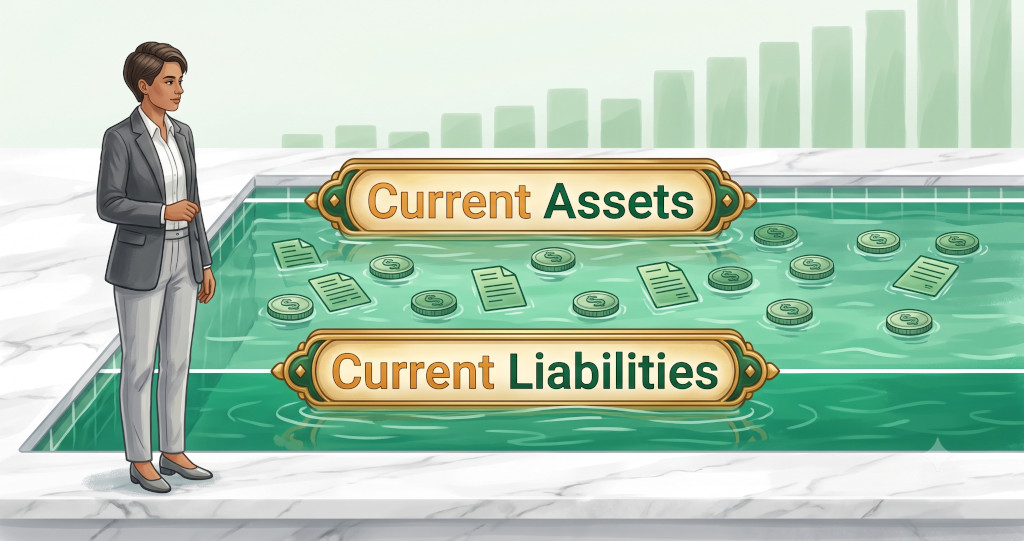
    • Current Assets: Assets that are expected to be converted into cash or used up within one year. Examples include:
      • Cash and cash equivalents
      • Accounts receivable
      • Inventory
      • Prepaid expenses
    • Non-Current Assets (Fixed Assets): Long-term resources used to operate the business. Examples include:
      • Property, plant, and equipment (PP&E)
      • Intangible assets (like patents or trademarks)
      • Long-term investments

    2. Liabilities

    Liabilities are obligations the company owes to outside parties, which will require the transfer of economic resources in the future. They are divided into:

    • Current Liabilities: Obligations due within one year, such as:
      • Accounts payable
      • Short-term loans
      • Accrued expenses
    • Non-Current Liabilities: Obligations due after one year, such as:
      • Long-term debt
      • Lease obligations
      • Pension liabilities

    3. Equity

    Equity represents the owners’ residual interest in the company after deducting liabilities from assets. Common components include:

    • Common stock or share capital
    • Retained earnings (profits kept in the business)
    • Additional paid-in capital
    • Treasury stock (if applicable)

    Equity reflects what would remain for shareholders if all assets were sold and all debts paid.


    Key Features of a Balance Sheet

    1. Snapshot in Time: Unlike the income statement, which covers a period, the balance sheet represents a specific date.
    2. Double-Entry Principle: Every transaction affects both sides of the balance sheet to keep it balanced.
    3. Liquidity Order: Assets and liabilities are often listed in order of liquidity (how quickly they can be converted to cash).

    Why the Balance Sheet Is Important

    The balance sheet helps stakeholders understand a company’s:

    • Financial Stability: By comparing assets and liabilities, one can see if a company can meet its obligations.
    • Liquidity Position: Indicates whether a company can cover short-term debts.
    • Investment Potential: Investors evaluate equity and retained earnings to make decisions.
    • Creditworthiness: Creditors assess liabilities and assets before lending.

    Practical Example

    Imagine a small business with the following financials:

    AssetsAmountLiabilities & EquityAmount
    Cash$10,000Accounts Payable$5,000
    Accounts Receivable$5,000Loan Payable (1 yr)$5,000
    Inventory$15,000Equity$25,000
    Equipment$20,000
    Total Assets$50,000Total Liabilities & Equity$50,000

    Notice how Assets = Liabilities + Equity ($50,000 = $10,000 + $25,000 + $15,000). The balance sheet balances perfectly!


    Final Thoughts

    The balance sheet is a fundamental tool in accounting that provides critical insights into a company’s financial health. By understanding its structure and key elements—assets, liabilities, and equity—you gain a clearer picture of how a business operates and how it is financed. For students, entrepreneurs, and investors alike, mastering the balance sheet is a crucial step toward financial literacy and informed decision-making.